Cambridge Study Claims India's Space Launches Are World’s Most Expensive, ISRO Fiercely Rejects Findings
As India proudly marks its third National Space Day, celebrating historic milestones like Chandrayaan-3 and its global reputation for frugal engineering, a provocative new international study has stirred controversy. Research published in the prestigious academic journal Economics Letters by economists Alessio Terzi from the University of Cambridge and Francesco Nicoli from Italy's Politecnico di Torino asserts that India actually records the highest launch cost per kilogram of payload among major global space powers. The findings challenge long-standing assumptions about India's cost-effective space dominance, drawing an immediate and firm rejection from the Indian Space Research Organisation (ISRO).
What the Cambridge and Turin University Study Claims
Analyzing an extensive dataset of more than 6,740 global rocket launches spanning from 1960 to 2025, the research paper paints a starkly different financial picture of India's space endeavors. According to the study, India's average launch cost hits a staggering $13,302 per kilogram of payload delivered to orbit. This places India at the very top of the global expense list—nearly four times higher than the United States, where average launch costs sit at $3,225 per kilogram. For further context, the global average stood at $3,868 per kilogram in 2025, with Japan at $5,287, China at $5,809, Russia at $6,682, and Europe at $9,897.
The authors noted that these exceptionally high figures for India appear paradoxical, directly contradicting the widespread international perception of the nation's budget-friendly, highly optimized space missions. The researchers arrived at these figures by evaluating payload delivery metrics against cumulative expenditure over decades of operational history, triggering a fierce debate within the global aerospace community over how space economy metrics are calculated.
ISRO Leadership Slams Inaccurate Research Data
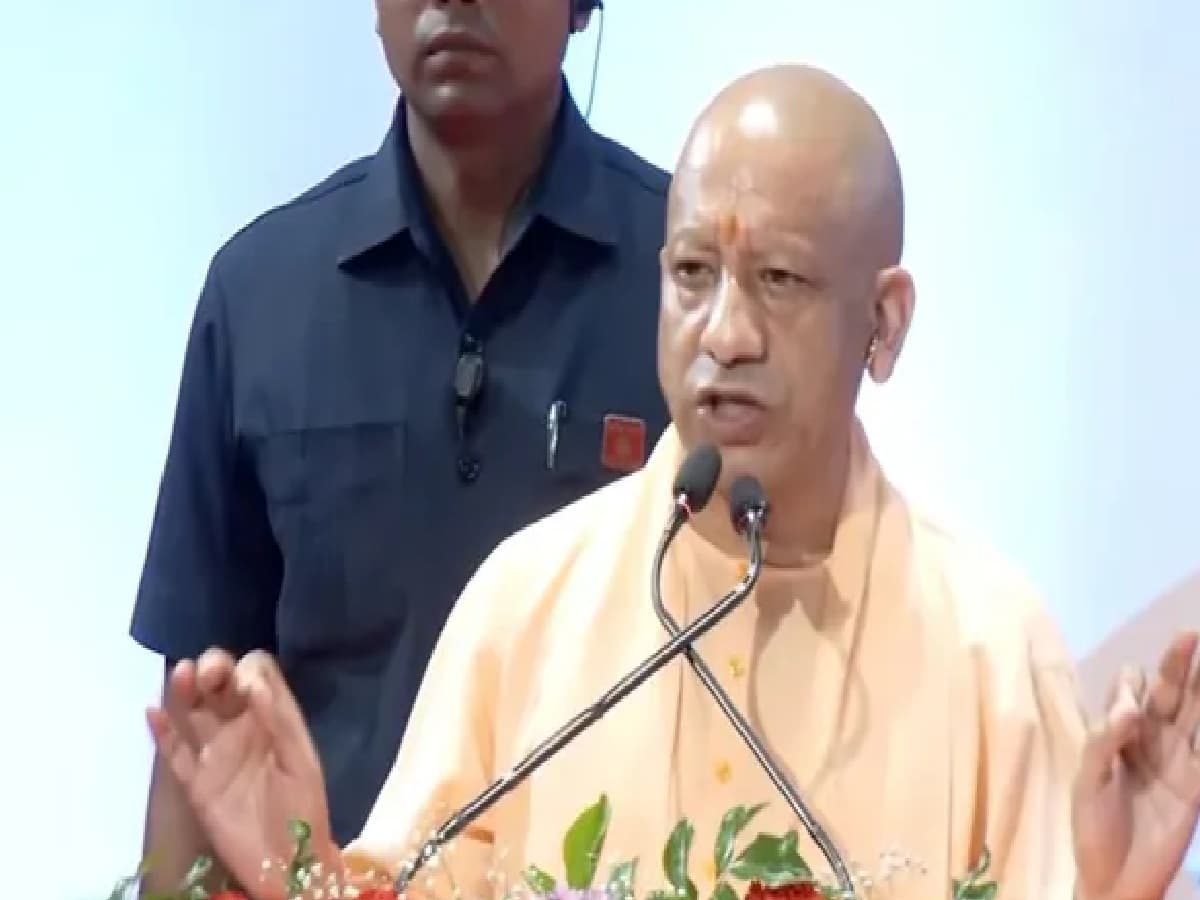
Responding sharply to the international claims, ISRO Chairman Dr. V. Narayanan flatly rejected the findings, dismissing the research data as entirely inaccurate. While the ISRO chief did not immediately detail the specific methodologies or calculation flaws within the academic paper, he underscored that the study fails to reflect the true economic realities and operational efficiencies of India's indigenous launch vehicles.
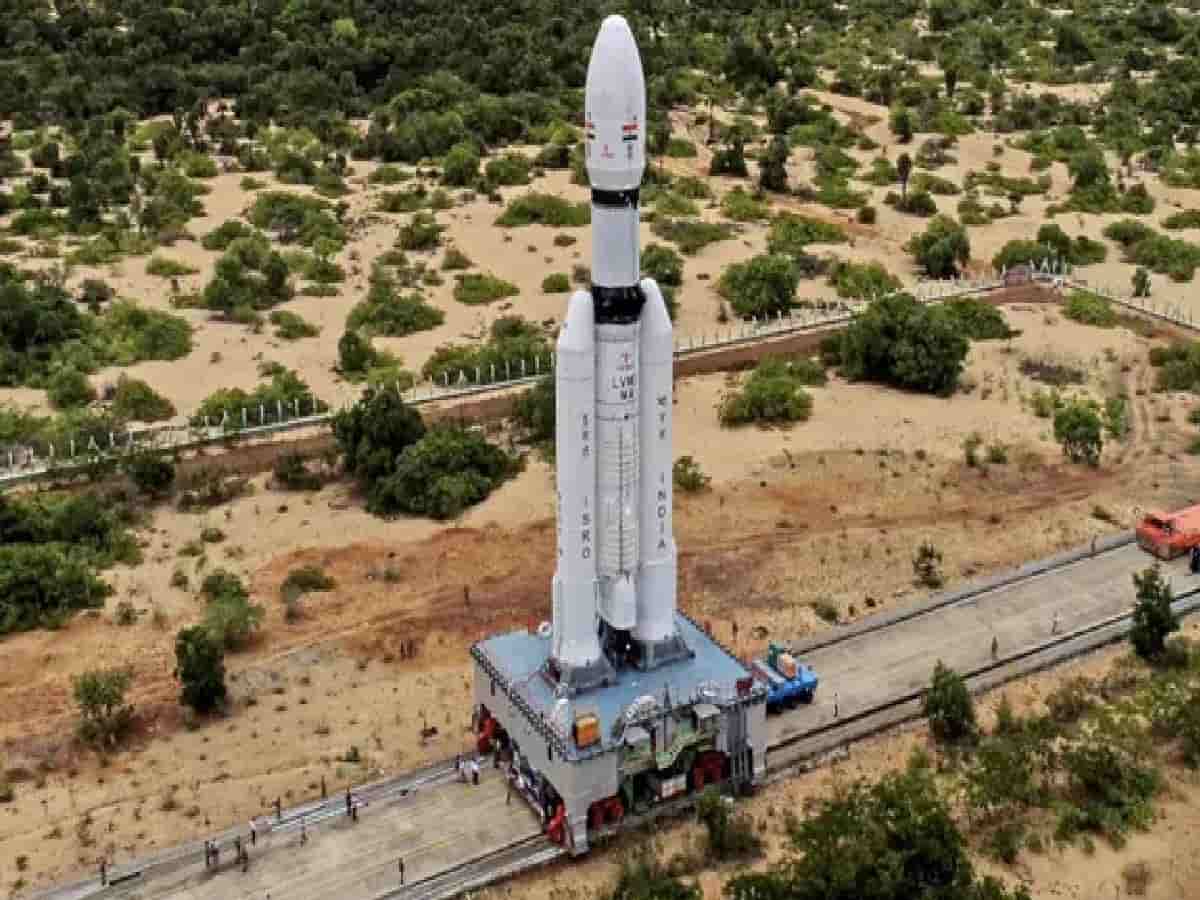
Reinforcing this stance, former ISRO Chairman Dr. S. Somanath also dismissed the Cambridge study, explaining that evaluating launch capabilities purely on a cost-per-kilogram basis distorts the complete picture. Providing a practical economic comparison, Dr. Somanath highlighted that India paid an American commercial provider an equivalent fee for launching a 4.5-ton satellite as it would cost for an indigenous Launch Vehicle Mark-3 (LVM-3) mission. Indian space leadership maintains that ISRO's pricing remains intensely competitive, fully reliable, and fundamentally unmatched in delivering high-value scientific and commercial missions.