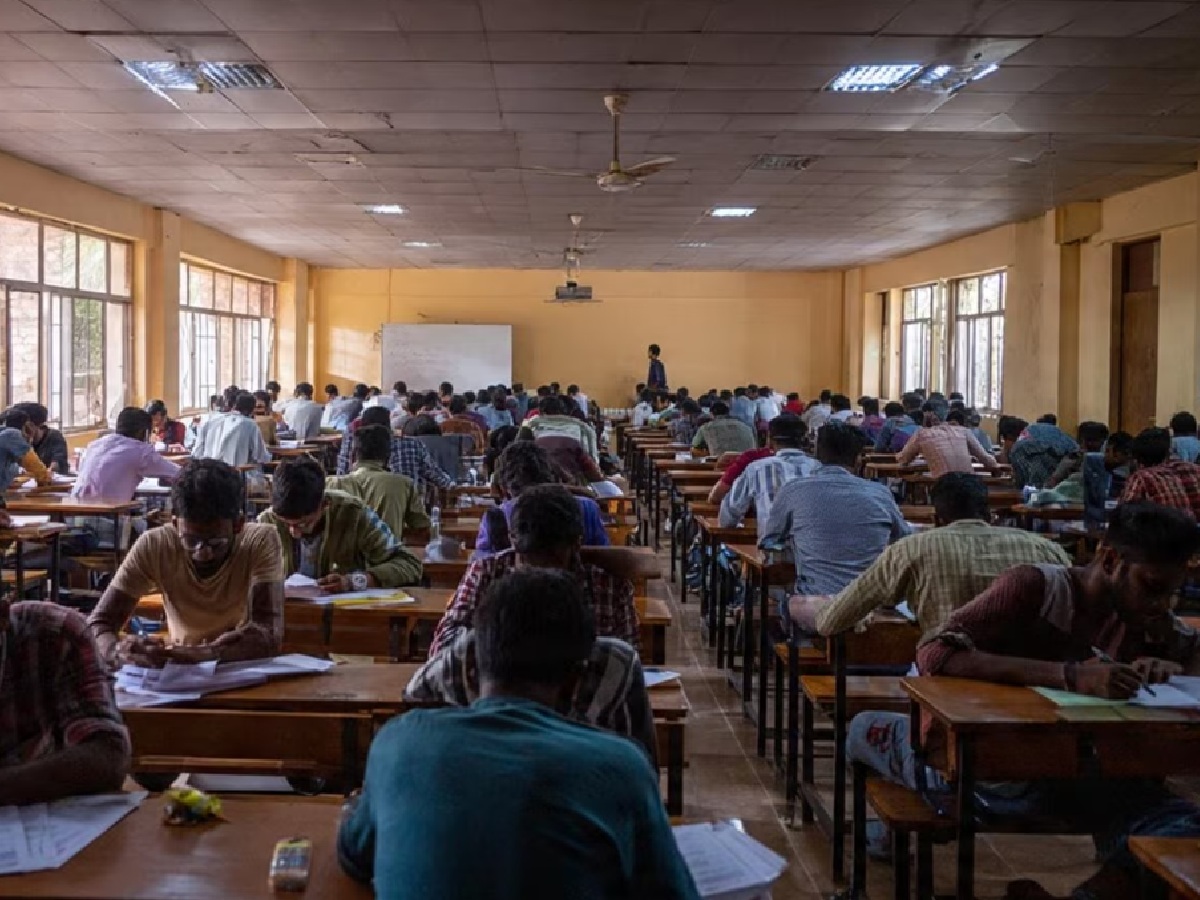
AICTE Shutdown: 58 Engineering Colleges Facing Closure Across India—UP and Maharashtra Hit Hardest
In a major overhaul of the nation's technical education landscape, the All India Council for Technical Education (AICTE) has initiated the "progressive closure" of 58 engineering and technical institutions for the 2025-26 academic year. While this news has caused concern among aspiring students and parents, the regulatory body has provided a crucial assurance: current students enrolled in these institutions will not be displaced. These students are permitted to continue their studies uninterrupted to ensure they can successfully complete their degree programs. The AICTE’s move is part of a broader, ongoing effort to enforce higher educational standards and purge institutions that fail to meet infrastructure and academic requirements.
Understanding the "Progressive Closure"
A senior AICTE official explained that "progressive closure" mandates that the affected institutions are strictly prohibited from admitting new students for the current academic session. This measure allows existing students to finish their tenure at the college while preventing the institution from expanding or continuing operations for future batches. Beyond entire colleges facing the axe, the regulatory body has also discontinued over 950 individual technical and engineering courses nationwide, signaling a significant consolidation phase within the higher education sector.
Regional Impact: UP and Maharashtra at the Epicenter
The impact of these closures is geographically concentrated, with Uttar Pradesh and Maharashtra facing the highest number of shutdowns—12 institutions each. Madhya Pradesh follows with eight, while Telangana and Punjab have seen four colleges each forced to halt operations. Other states, including Andhra Pradesh, Rajasthan, Gujarat, Karnataka, and Tamil Nadu, have also seen multiple closures. Of the 58 institutions affected, the vast majority are private entities, with only three being government-aided, highlighting the varying quality of infrastructure and faculty across the private technical landscape.
Why Are Colleges Shutting Down?
The AICTE’s decision comes after rigorous assessments revealed systemic failures in several institutions. The primary reasons for these closures include:
-
Dwindling Enrollment: A consistent decline in student intake has made many institutions financially and operationally unviable.
-
Infrastructure Deficiencies: A failure to maintain modern labs, adequate buildings, and necessary student facilities.
-
Faculty Shortages: Many colleges have struggled to recruit and retain qualified professors, violating mandatory regulatory ratios.
For institutions failing to comply with basic standards, the AICTE employs two strategies: progressive closure for phased shutdowns or "complete closure," where the college is shuttered immediately and students are transferred to reputable institutions to safeguard their academic careers. This aggressive stance underscores the council's commitment to ensuring that a technical degree from an Indian institution remains a badge of quality rather than just a certificate.