







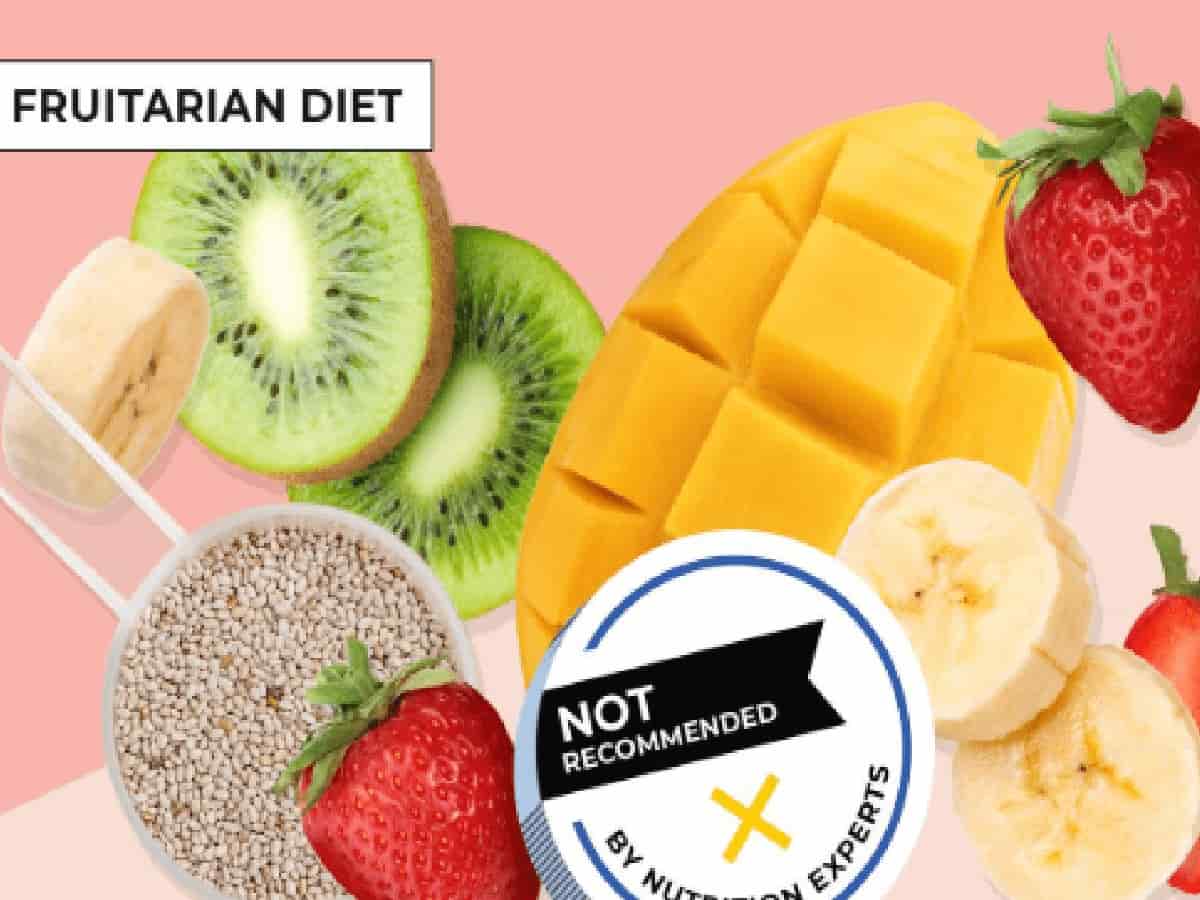
What Is Fruitarianism, Why Adherents Refuse to Pluck Fruit, and the Severe Deficiencies to Watch
While the modern culinary landscape is widely categorized by vegetarian, non-vegetarian, and vegan choices, an intriguing lifestyle known as Fruitarianism is sparking global curiosity and debate. Centered primarily on raw botanical fruits, this niche dietary philosophy goes far beyond standard plant-based eating patterns. Driven by varying personal reasons—ranging from seeking an ultra-light digestive load to deep ethical concerns regarding harm to flora—proponents prioritize raw fruit consumption. However, the exact boundaries of the diet differ widely across individuals, with some incorporating moderate amounts of raw nuts and seeds, while strict purists limit their intake almost exclusively to whole fruits.
The Ethics of "Fallen Fruit": Why Some Fruitarians Refuse to Pick From Branches
The most remarkable and widely discussed philosophy within Fruitarian subcultures revolves around zero-harm ethics toward the plant kingdom itself. Rather than severing or plucking fresh produce directly from branches, stems, or vines, some strict adherents consume only naturally fallen fruit that has matured, detached on its own, and fallen to the earth. The ethical perspective holds that harvesting directly from a living organism inflicts stress or physical damage on the parent plant, whereas consuming naturally shed fruit honors its natural biological cycle without causing environmental interference. While this practice represents an inspiring ideal among philosophical purists, it is not a rigid universal requirement for all fruitarians, as many consume freshly harvested market produce alongside raw seeds.
Severe Nutritional Vulnerabilities: Fructose Overload and the Risk of Vital Deficiencies
Despite its natural and detoxifying reputation on social media, adopting an exclusive or near-total fruitarian lifestyle poses significant clinical nutrition challenges. Nutritionists warn that relying primarily on fruit can drastically elevate fructose and total natural sugar intake, creating glucose volatility and metabolic stress. More critically, human physiological requirements cannot be sustained through fruit alone; an unsupplemented fruitarian regimen leaves individuals severely deficient in complete dietary proteins, essential omega-3 fatty acids, vitamin B12, bioavailable iron, calcium, and iodine. Health experts emphasize that anyone exploring radical dietary shifts must undergo clinical nutritional evaluations and consider vital micronutrient supplementation rather than viewing extreme diets as an effortless wellness remedy.