Silent Killers in Your Pantry: 3 Packaging Chemicals That Can Damage Your Liver Without Adding a Calorie
In our fast-paced lives, convenience often trumps caution. From ready-to-eat meals and canned soups to those late-night chips and biscuits, processed food has become a dietary staple. However, while we often scrutinize food labels for calories and sugar, we rarely consider the invisible threat lurking in the packaging itself. Health experts are increasingly warning that the materials used to wrap and store our food may be silently leaching toxic chemicals into our meals, posing long-term risks to vital organs like the liver.
1. The 'Forever Chemicals' (PFAS)
Known scientifically as per- and polyfluoroalkyl substances, these "forever chemicals" are engineered to make packaging oil- and water-repellent. You will find them in fast-food wrappers, grease-proof pizza boxes, and even the bags used for microwave popcorn. They are labeled "forever" because they do not break down; once they enter your body, they persist for years. Research has linked long-term exposure to these substances with significant damage to liver function, thyroid issues, and a compromised immune system.
2. Bisphenol-A (BPA)
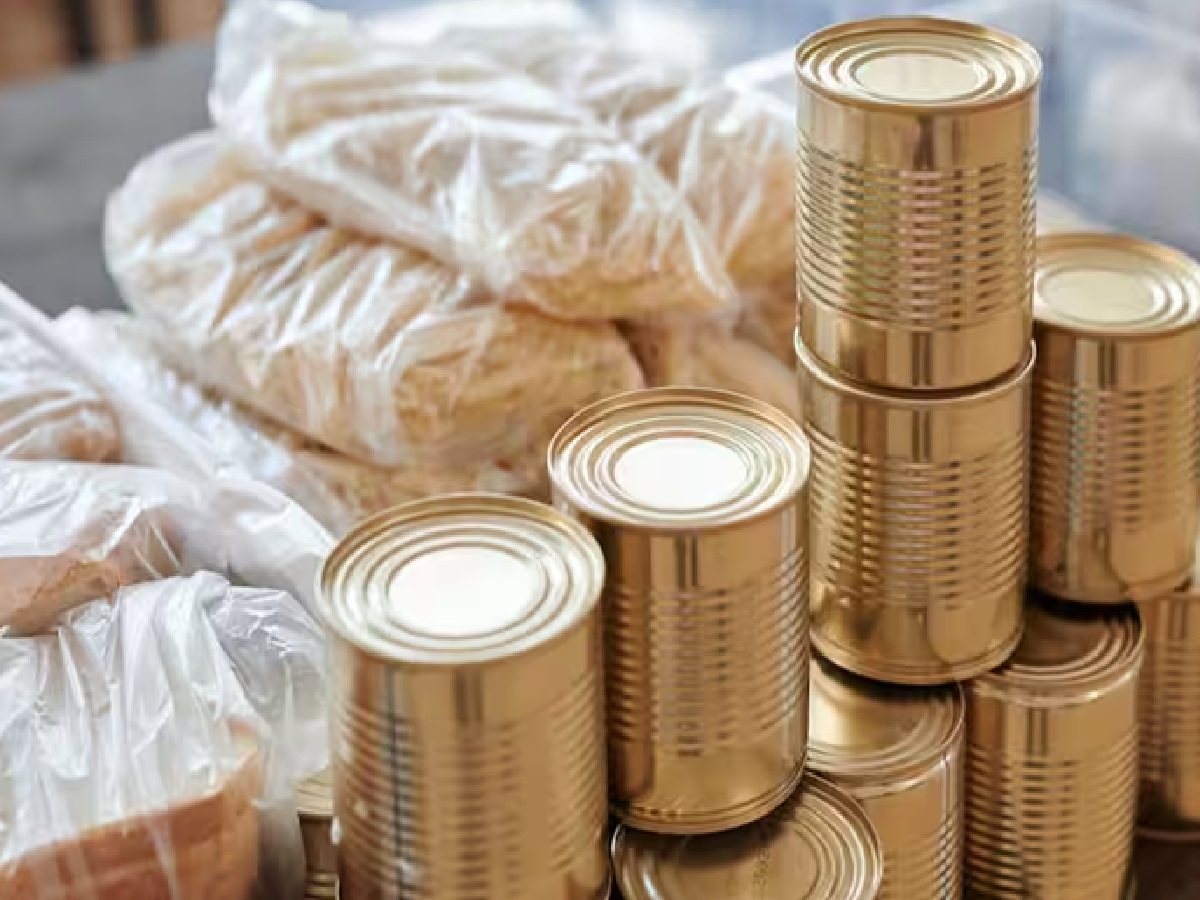
Bisphenol-A is a chemical powerhouse used primarily in the inner lining of plastic containers and metal food cans to prevent corrosion and contamination. However, studies show that BPA can slowly leach into the food contained within, especially over time. Once ingested, BPA acts as an endocrine disruptor, potentially interfering with your body’s normal hormonal functions. High, chronic exposure is increasingly being flagged by health organizations as a major concern for metabolic and organ health.
3. Phthalates: The Silent Softeners
Phthalates are added to plastics to make them soft, flexible, and durable. They often migrate into your food during processing or via plastic storage containers. Like BPA, phthalates are notorious for disrupting hormonal balance. Experts warn that long-term ingestion of these plasticizers is considered highly unhealthy, as they can interfere with the body's delicate regulatory systems, potentially leading to systemic issues that manifest long before any weight-related symptoms appear.
How to Protect Your Health
You don't need to panic, but you do need to make smarter choices. Taking control of your storage habits can significantly reduce your exposure to these leached toxins:
-
Switch Your Storage: Transition away from plastic containers. Opt for glass, high-quality stainless steel, or ceramic containers for storing leftovers.
-
Stop Heating in Plastic: Never microwave your food in plastic containers. The application of heat significantly accelerates the leaching process, forcing more chemicals into your meal.
-
Prioritize Whole Foods: The best way to avoid packaging chemicals is to avoid the packaging altogether. Whenever possible, choose fresh, unprocessed, or minimally processed ingredients.
-
Check the Source: Be mindful of canned goods and pre-packaged snacks, especially those meant for high-heat preparation.
By shifting toward mindful storage and focusing on fresh nutrition, you can drastically lower the "chemical load" your liver has to process every day. Don't let convenience compromise your longevity—start making the switch today.