How AI is Revolutionizing Cardiovascular Care and Saving, Will We Get an Alert Before a Heart Attack Strikes
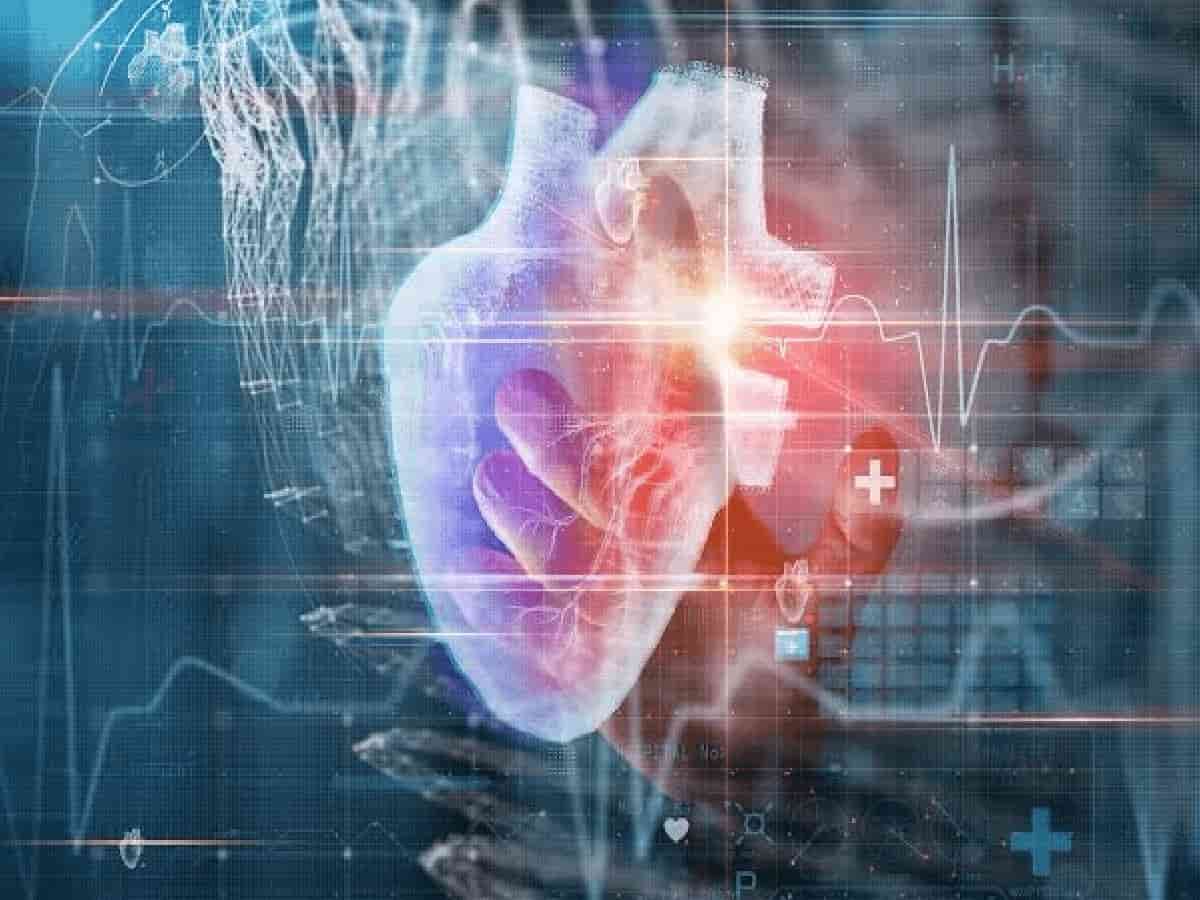
With hypertension, diabetes, obesity, high cholesterol, smoking, chronic stress, and sedentary lifestyles putting millions of Indians at acute risk of cardiovascular diseases, healthcare is undergoing a paradigm shift through Artificial Intelligence (AI). For decades, clinical cardiology remained predominantly reactive by treating heart complications only after acute episodes unfolded; however, modern AI platforms are transforming this dynamic into proactive prediction and preventive care. According to Dr. H.K. Chopra, Chief Cardiologist at Medanta Moolchand Heart Institute in New Delhi, advanced machine learning models can process massive datasets of ECGs, echocardiograms, cardiac imaging, and laboratory metrics to detect subtle pattern irregularities that escape human observation. In a country where numerous individuals remain asymptomatic for years despite underlying cardiovascular risks, AI-enabled portable ECGs, point-of-care digital health setups, and smart screening tools can empower primary healthcare workers across remote villages, bridging the critical urban-rural healthcare divide by connecting underserved populations with expert specialists in real time.
Clinical Co-Pilots and Ethical Healthcare: Why Human Compassion Remains Irreplaceable in Cardiac Emergencies
During critical cardiac emergencies like acute myocardial infarctions or sudden arrhythmias, every passing second dictates survival rates, and AI triaging tools can accelerate diagnostic communication between emergency teams, interventionists, and cath labs to save precious minutes. However, Dr. Chopra highlights that AI can never replace human cardiologists, functioning instead as an intelligent clinical co-pilot that synthesizes data while doctors deliver empathy, moral accountability, and contextual decision-making. Furthermore, building trust requires that these technologies be trained and validated specifically on diverse Indian demographic datasets to prevent algorithmic bias, while safeguarding sensitive patient medical records through strict privacy standards. Critical symptoms such as acute chest discomfort, shortness of breath, sudden sweating, or fainting require immediate hospital intervention regardless of technological availability. Ultimately, medical experts maintain that while advanced algorithms and digital health tools will shape the operational future of heart care, true clinical success relies on human compassion, ethics, and affordable healthcare access for all.