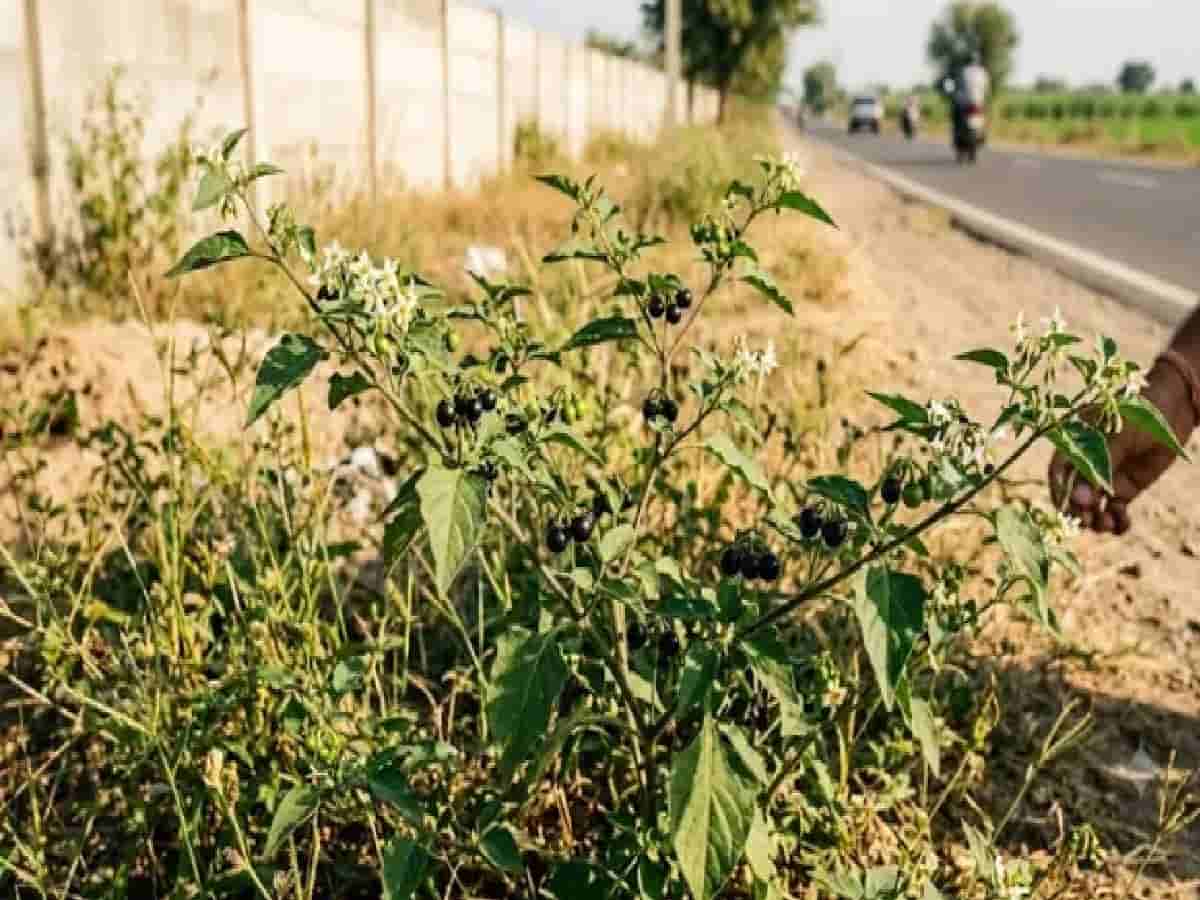
Black Nightshade (Makoy): Wild Roadside Weed That Acts as a Natural Panacea for Diabetes, Cholesterol, and Liver Health
Often dismissed as a common roadside weed or ignored entirely in agricultural fields, certain wild plants possess extraordinary therapeutic values that traditional medical systems have prized for centuries. One such botanical treasure is the unassuming wild plant known scientifically as Solanum nigrum, commonly referred to as Makoy, black nightshade, or Kakmachi. Flourishing naturally without requiring human cultivation or special care, this hardy green herb is packed with dense nutritional profiles and potent pharmacological compounds. Far from being a nuisance, Makoy functions as a natural panacea capable of managing metabolic disorders, supporting vital organ function, and promoting overall wellness.
Ayurvedic Significance and Botanical Characteristics of Makoy
In the classical traditions of Ayurveda, Makoy holds a position of high esteem under names such as Kakmachi and Bhatkoinya. Typically growing to a height of one to one and a half feet, this compact plant thrives in shaded environments, frequently appearing along the margins of crop fields such as wheat, paddy, and maize.
The plant features vibrant green, oval, or oblong leaves with distinctive raised lines along its branching stems. What makes Makoy uniquely valuable in herbal medicine is that both its aerial parts—including the green leaves and small, rounded berries—are densely packed with bioactive constituents that deliver profound health benefits.
A Dense Powerhouse of Essential Nutrients
Beyond its traditional reputation as a healing herb, Makoy functions as a concentrated source of dietary nutrition. Health experts and phytotherapists note that the leaves and extracts of the black nightshade plant are rich in critical micronutrients, including:
-
Vitamins: High concentrations of Vitamin C and Vitamin A, which support immune function and cellular repair.
-
Minerals: Essential macro and trace minerals such as calcium, phosphorus, and iron.
-
Folic Acid and Carotene: Powerful antioxidant compounds that neutralize oxidative stress, protect cellular integrity, and scavenge free radicals within the body.
Therapeutic Benefits: How Makoy Combats Serious Ailments
The comprehensive pharmacological profile of this wild herb enables it to address a wide array of acute and chronic health conditions:
-
Managing Diabetes and Regulating Cholesterol: Clinical and traditional observations indicate that regular, controlled consumption of Makoy extracts helps regulate blood sugar levels, making it a valuable dietary adjunct for managing diabetes. Additionally, it aids in lowering elevated lipid profiles and keeping harmful cholesterol in check.
-
Natural Remedy for Jaundice and Fevers: Ayurveda heavily relies on Makoy for its hepatoprotective properties. It is widely considered a premier herbal remedy for treating stubborn fevers and accelerating recovery from jaundice by supporting liver detoxification.
-
Promoting Skin Health and Healing White Spots: Dermatological applications of Makoy juice or pastes have shown notable efficacy in treating chronic skin disorders, particularly in alleviating and clearing white spots (leucoderma) and localized inflammations.
-
Controlling Blood Pressure and Enhancing Ocular Health: The antioxidant and vasodilator properties present in the plant assist in maintaining healthy blood pressure levels. Furthermore, its high vitamin A and carotene content nourish ocular tissues, supporting long-term eye health.
-
Support for Renal and Respiratory Wellness: Traditional medicine utilizes Makoy to provide symptomatic relief in serious systemic conditions, including renal (kidney) dysfunctions and tuberculosis (TB), due to its diuretic and anti-inflammatory mechanisms.
The next time you spot this unassuming green herb growing wild along a rural path or garden edge, recognize it not as a weed, but as a potent botanical pharmacy gifted by nature.