Pakistani Star Mahira Khan Defends Kriti Sanon’s Raksha Bandhan Ad Controversy, Slamming Internet Trolls
Bollywood actress Kriti Sanon’s recent festive advertisement has sparked widespread online debate, drawing sharp criticism from netizens and public figures alike over her modern attire during Raksha Bandhan. Amid the relentless social media storm, a new voice has unexpectedly entered the conversation from across the border, as a viral post attributed to Pakistani superstar Mahira Khan steps in to defend the Bollywood actress.
The Viral Post Supporting Kriti Sanon
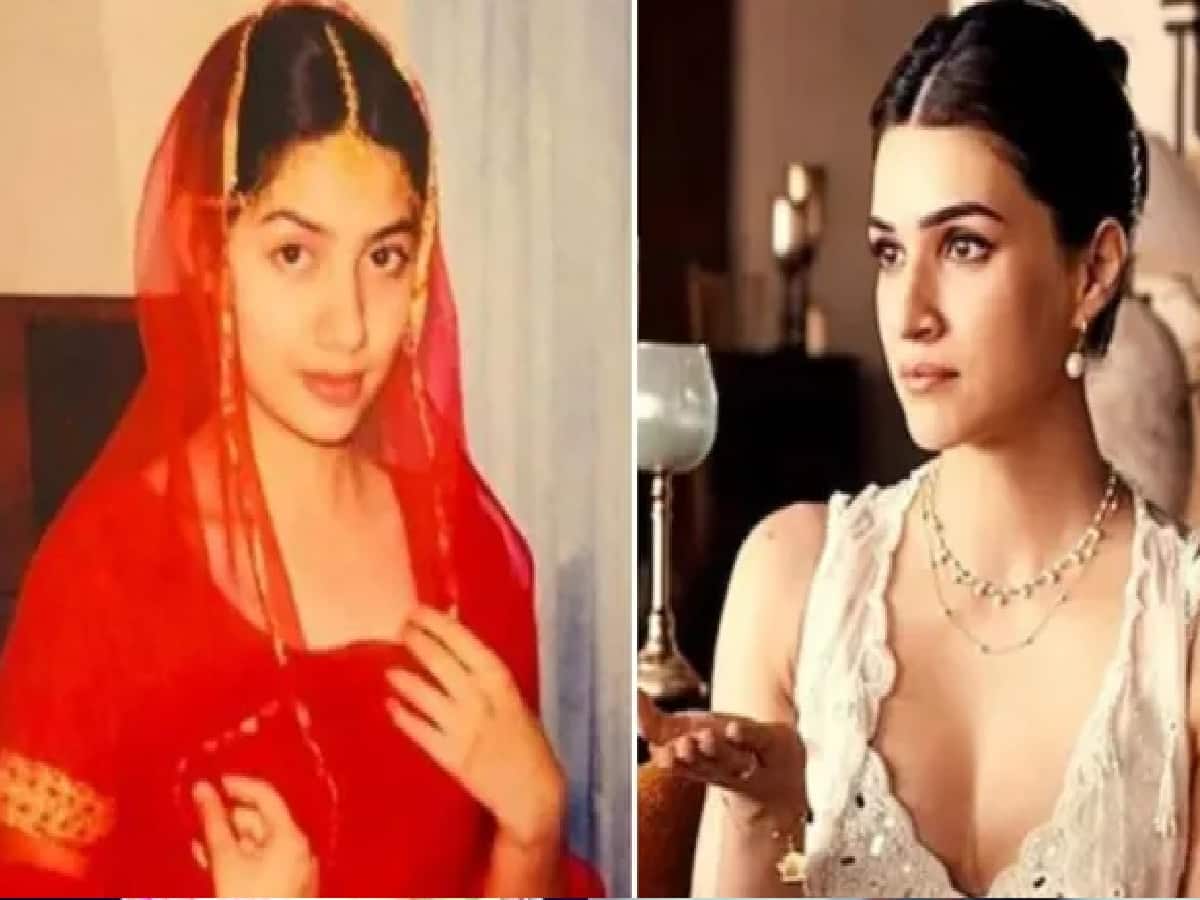
A viral screenshot shared widely across Instagram and X (formerly Twitter) by fan pages and media handles—including a prominent user account named 'The Tradesman'—showed a statement allegedly posted by Raees actress Mahira Khan. Addressing the severe backlash Kriti received for wearing a bralette top and cape in a jewelry brand's Rakhi commercial, the post firmly rebuked internet trolls.
The viral story read, "Clothes can't define the respect you have for any festival. Stop teaching Kriti Sanon about clothes no matter what she wears. Lots of love and support from Pakistan." The post further highlighted Mahira's alleged stance as a fellow industry peer standing in solidarity, quickly igniting massive engagement and debate among social media users.
The Origins of Kriti’s Raksha Bandhan Backlash
The controversy initially erupted when a jewelry brand released a festive commercial featuring Kriti Sanon celebrating Raksha Bandhan with her brother and pet dog while wearing an unconventional off-white bralette-style top and skirt. The wardrobe choice drew immediate flak from traditionalists and social media users, with figures like Kangana Ranaut and Madhu Chopra also weighing in on festive attire standards.
Despite the intense online scrutiny—to which Kriti later subtly responded while celebrating with her sister Nupur—the unexpected intervention by the Pakistani actress has added a fresh global dimension to the ongoing debate surrounding modern fashion choices during traditional Indian festivals.