







Fever Warning: Why Children’s Blood Pressure Drops During High Fevers and How Parents Can Respond
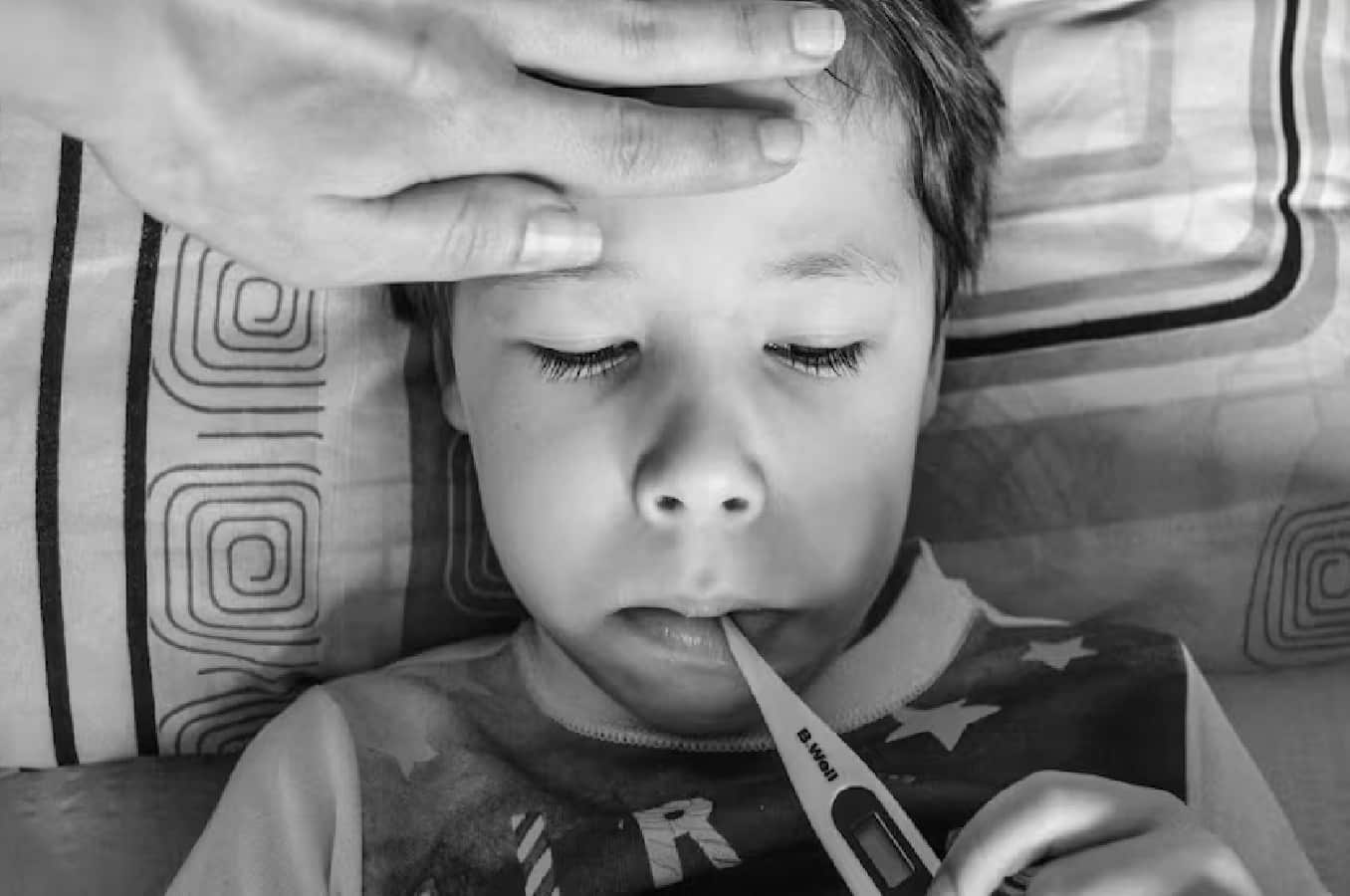
Seasonal weather shifts frequently bring a wave of childhood illnesses, with fevers being one of the most common challenges parents face. While managing a child's temperature is standard practice, many caregivers remain unaware that high fevers can sometimes trigger a dangerous drop in blood pressure. Understanding the warning signs, underlying causes, and immediate response steps is essential to keeping children safe during severe fevers.
Why High Fevers Lead to Low Blood Pressure in Kids
When children run a high fever, their bodies rapidly lose fluids through sweat and accelerated breathing, frequently resulting in dehydration. Dehydration stands out as the primary catalyst for sudden drops in blood pressure among pediatric patients. Furthermore, if the underlying fever stems from a severe systemic infection or sepsis, it can severely compromise vascular tone and cause blood pressure to plummet, requiring urgent vigilance from parents.
Key Warning Signs: How to Identify Falling Blood Pressure
Recognizing when a fever-stricken child is experiencing low blood pressure can prevent medical emergencies. Parents should monitor for distinct behavioral and physical symptoms:
-
Lethargy and Drowsiness: Unusual sleepiness, unresponsiveness, or excessive limpness.
-
Circulatory Changes: Pale skin tone along with persistently cold hands and feet.
-
Respiratory Shifts: Rapid, shallow, or irregular breathing patterns.
-
Gastrointestinal Complications: Associated vomiting, diarrhea, or a noticeable decrease in urination due to dehydration.
If a child suddenly becomes unresponsive or unusually quiet after crying, parents must treat it as a potential medical red flag.
Immediate First-Aid Steps for Parents
If a child's blood pressure drops during a fever, remaining calm and executing the correct first-aid steps can stabilize them before professional medical help arrives:
-
Elevate the Legs: Lay the child flat on their back and raise their legs slightly to encourage blood circulation toward the vital organs and brain.
-
Restore Hydration: Regularly administer sips of ORS (Oral Rehydration Solution), coconut water, or a homemade salt-sugar solution to combat fluid loss.
-
Cooling the Body: Apply a cloth dampened with lukewarm or normal water to the child's forehead and limbs. Avoid freezing cold water, which can induce shivering and raise internal temperature.
-
Ventilation: Remove tight clothing to help the body cool naturally and keep the child in a well-ventilated space.
Most importantly, if symptoms such as extreme lethargy, fainting, cold extremities, or rapid breathing persist, rush the child to a pediatrician or emergency medical center immediately.