







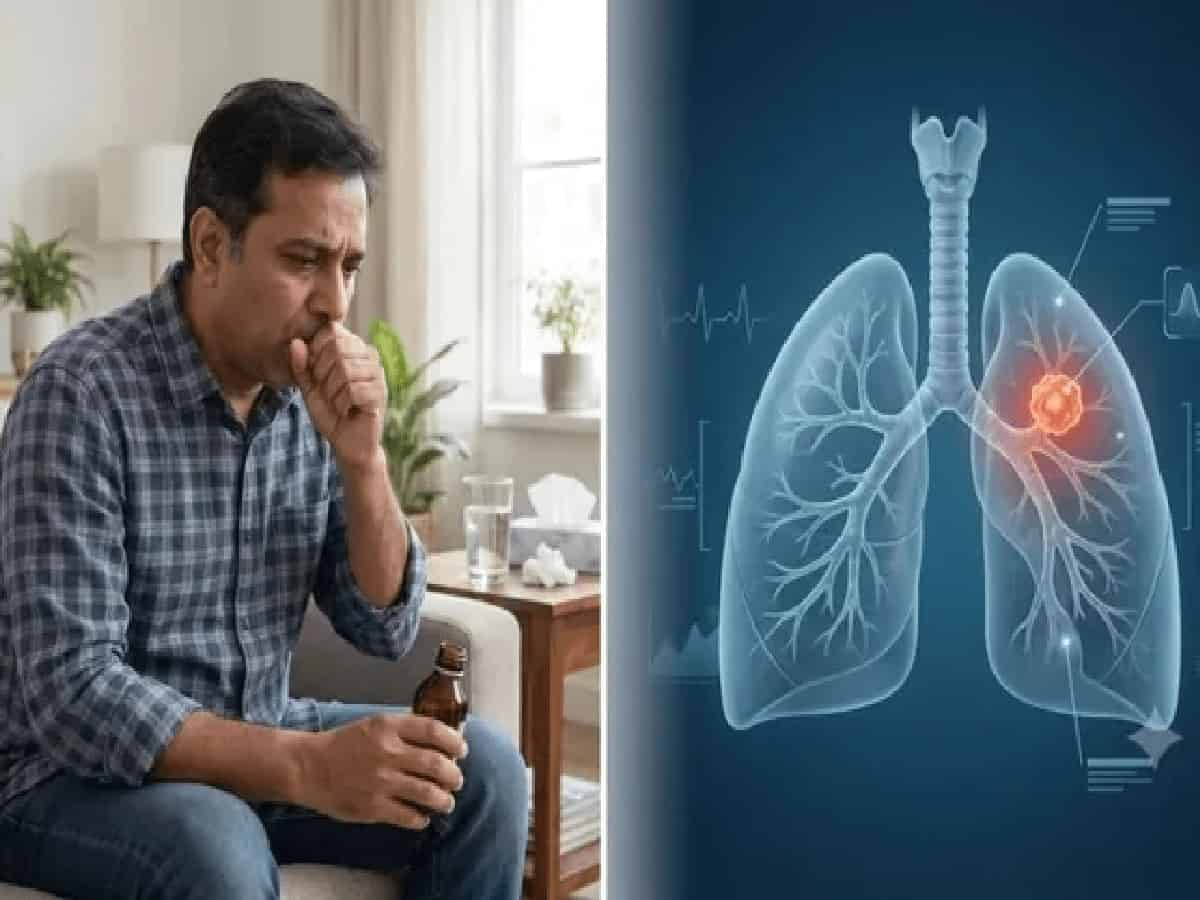
Winter Cough or Lung Cancer Sign? When Cough Syrup Isn't Enough
Every winter across northern India, a tickle in the throat or a nagging cough feels almost routine—easy to blame on chilly morning air, seasonal allergies, or thick autumn-winter smog. In Delhi-NCR and busy urban corridors alike, office commuters routinely reach for over-the-counter cough syrups just to get through meetings and daily travel. Yet Dr. Sajjan Rajpurohit, Vice Chairman and Head of Clinical Administration at BLK-Max Super Speciality Hospital and Max Saket, Delhi, cautions that early symptoms of lung cancer frequently mimic everyday respiratory irritations, making them dangerously easy to brush aside until the disease reaches a later stage. Because lung cancer often causes subtle or non-specific clues at first, repeatedly masking a persistent cough with syrup without proper medical evaluation can delay timely diagnosis. For families, commuters, and health-conscious readers across northern India—including households in Unnao and neighboring Uttar Pradesh cities such as Lucknow, Kanpur, Prayagraj, and Varanasi, where winter air-quality dips, industrial/vehicular particulates, and seasonal respiratory infections overlap every November and December—knowing when a cough warrants a closer look is essential.
Red-Flag Symptoms: When a Persistent Cough Needs Medical Evaluation
Having a cough or throat irritation does not automatically mean lung cancer—many everyday viral infections, allergies, or air-quality spikes trigger similar symptoms—but certain patterns should never be ignored or self-treated indefinitely:
| Warning Sign / Symptom | Why It Warrants Prompt Medical Attention |
| Cough Lasting More Than 3 Weeks | A cough that lingers beyond three weeks or steadily worsens despite basic remedies deserves a clinical checkup and chest imaging as advised by a physician. |
| Recurring or Worsening Cough | Symptoms that keep returning or intensify over time rather than resolving point toward underlying airway or lung irritation needing proper evaluation. |
| Coughing Up Blood (Hemoptysis) | Any blood or blood-streaked sputum—even in small amounts—is a key red flag that requires urgent medical assessment. |
| Chest Pain, Breathlessness, or Hoarseness | Ongoing chest discomfort, unexplained shortness of breath during routine activity, or voice hoarseness lasting weeks should be examined promptly. |
| Unexplained Weight Loss or Fatigue | Dropping weight without dieting or exercising, alongside persistent weakness or recurring chest infections, calls for a thorough medical review. |
How Modern Lung Cancer Care Has Changed: Targeted Therapy and Immunotherapy
For many people, hearing the words lung cancer still conjures images of prolonged hospital stays, months of bed rest, and stepping away from work or family life for long stretches. While surgery, chemotherapy, and radiation therapy remain foundational pillars of oncology, precision medicine—including targeted therapies (for specific genetic mutations/biomarkers) and immunotherapy—has transformed care for eligible patients. These modern treatments are designed to attack specific cancer pathways or help the body's immune system recognize tumor cells more effectively, often with distinct side-effect profiles and improved disease control when matched to a patient's tumor profile and overall health.
Shorter Sessions and Day-Care Convenience in Contemporary Oncology
Advances in drug delivery—such as subcutaneous immunotherapy (administered as an injection under the skin rather than a lengthy intravenous drip in select indications)—have shortened chair/administration times from hours to minutes for eligible patients, easing logistical strain on both individuals and caregivers. Depending on clinical stability, treatment tolerability, cancer stage, and a physician's guidance, some patients can maintain lighter work schedules or attend routine follow-ups with less disruption, though initial doses, side-effect monitoring, fatigue, or medical fragility still require careful supervision and support. Looking ahead, expanded day-care oncology services closer to home are helping reduce travel burdens for families while keeping specialist oversight at the center of care.




