







Why Fit and Healthy Individuals Are Still at High Risk and Warning Signs You Cannot Ignore
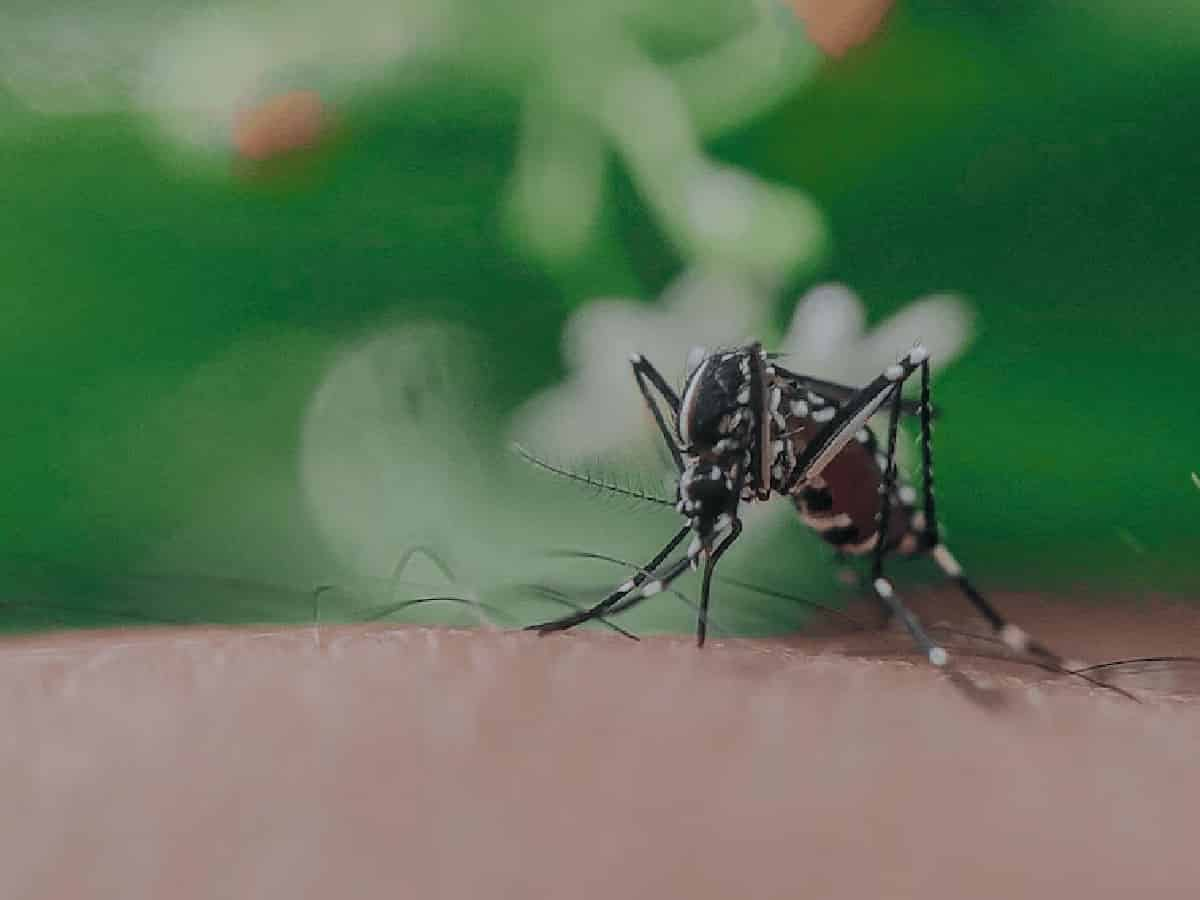
A prevalent public misconception suggests that disciplined physical fitness, clean nutrition, and a robust immune system provide an impenetrable shield against severe vector-borne illnesses. Medical specialists warn that dengue fever defies this assumption entirely. Transmitted via the bite of an infected female Aedes aegypti mosquito, the dengue virus affects people across every age group and baseline physical condition, with athletes and healthy individuals just as susceptible to acute infection and rapid physiological deterioration. The viral illness commonly manifests with debilitating high fevers, pounding retro-orbital headaches, intense musculoskeletal aches, and profound bodily exhaustion. Without vigilant clinical oversight, initial symptoms can escalate into dangerous complications characterized by sharp platelet drops, severe plasma leakage, internal hemorrhaging, and organ impairment.
The Multi-Strain Threat: Why Prior Fitness Cannot Shield Against Secondary Complications
The primary driver behind severe clinical complications—even among exceptionally fit individuals—stems from the virological complexity of the dengue pathogen, which exists across four distinct antigen serotypes: DENV-1, DENV-2, DENV-3, and DENV-4. While contracting one serotype provides lifelong immunological resistance against that specific strain, it offers only temporary, incomplete cross-protection against the remaining three. When a previously infected person contracts a secondary infection from a different viral serotype, the body can undergo a dangerous phenomenon known as Antibody-Dependent Enhancement (ADE). Rather than neutralizing the newly introduced viral particles, pre-existing cross-reactive antibodies inadvertently assist the virus in replicating faster, dramatically elevating the risk of Dengue Hemorrhagic Fever (DHF) and Dengue Shock Syndrome (DSS) irrespective of an individual's muscular strength or general vitality.
Critical Warning Signs: Why Danger Surges After the High Fever Breaks
The clinical course of dengue typically begins with high body temperatures, sharp pain concentrated behind the eyeballs, severe arthralgia colloquially termed "breakbone fever," pronounced nausea, and widespread cutaneous maculopapular rashes. A critical diagnostic window occurs during the transition from the febrile stage to the afebrile phase, usually three to seven days after symptom onset. When the initial high fever subsides, patients and caregivers frequently assume the illness has resolved; however, this exact transition marks the "critical phase" where vascular permeability and plasma leakage are most prone to spike. Immediate emergency hospitalization is mandatory if warning indicators develop, including persistent abdominal pain, intractable vomiting, mucosal bleeding from the gums or nasal passages, blood in vomit or dark stools, acute lethargy, restlessness, or labored breathing.
Targeted Vector Control: Daytime Biting Risks and Habitat Elimination
Interrupting vector transmission remains the most effective strategy for mitigating community spread. The primary vector, Aedes aegypti, is an aggressive daytime feeder exhibiting peak biting activity during early morning hours and late afternoon before dusk. Eliminating standing domestic water reservoirs is essential to dismantling breeding cycles, as the vector requires only minuscule quantities of clean, stagnant water to deposit eggs. Households must systematically empty and scrub desert coolers, air-conditioner drip trays, plant pot saucers, birdbaths, and open storage drums at least once weekly. Concurrently, using EPA-registered insect repellents containing DEET or picaridin, installing fine mesh screens across windows and doors, and wearing loose-fitting, long-sleeved light-colored clothing outdoors provide vital barriers against diurnal mosquito bites.




