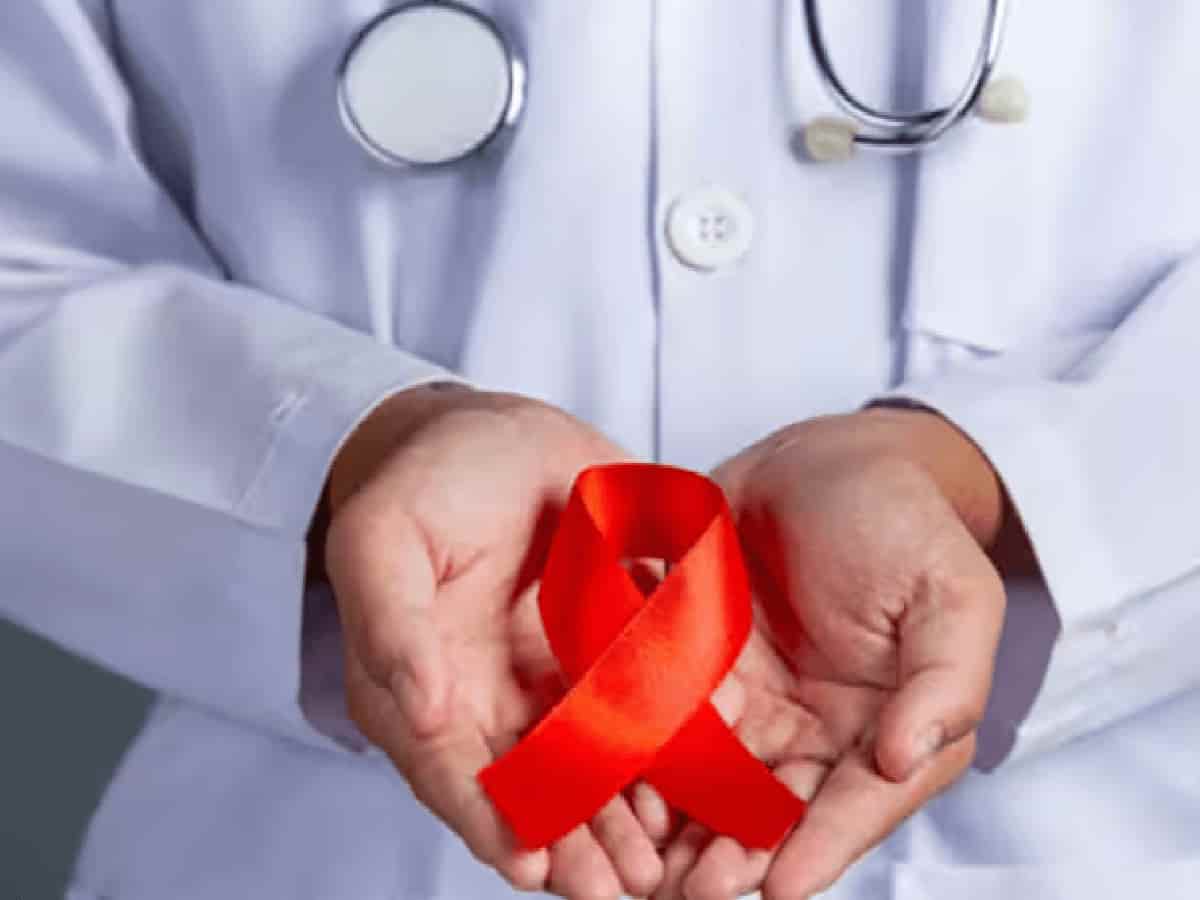
Why Clean Living Isn't An Absolute Shield Against Cancer: Experts Reveal The Hard Truth
Society has long subscribed to a comforting health formula: eat nutritious greens, hit the gym religiously, avoid tobacco, and you will be completely shielded from serious illnesses. For many, maintaining a disciplined lifestyle acts as a psychological armor, offering a sense of control in an unpredictable world. Yet, oncologists frequently witness a quiet, devastating shock in clinics—a patient who has never smoked, runs marathons, eats a pristine diet, and still receives a cancer diagnosis. While a healthy lifestyle drastically reduces risk, it does not offer absolute immunity. Understanding why cancer can strike the health-conscious requires examining the complex biology of the human body beyond diet and exercise.
Beyond The Plate: Why Clean Living May Not Be Enough
"Before becoming an expert in this field, I thought people who have never smoked, maintained a balanced diet, and got plenty of exercise wouldn’t get cancer," says Dr. Ruchir Bhandari, Additional Director of Radiation Oncology & Radiosurgery at CK Birla Hospitals, Jaipur. "It’s an assumption I have found out to be false after the countless times such cancer-diagnosed patients have come through my clinic." Cancer is not a singular disease caused by a single lifestyle failure, but a complex condition driven by multiple biological and external forces. According to Dr. Sudha Sinha, Clinical Director and HOD of Medical Oncology & Hemato-Oncology at Yashoda Hospitals, Hyderabad, several non-lifestyle factors contribute heavily to cancer development.
Genetics, Environment, And The Inevitability Of Aging
Inherited genetics play a monumental role in cancer susceptibility, as some individuals carry gene mutations that significantly increase their lifetime risk of breast, ovarian, or colorectal cancers—blueprints that healthy habits cannot rewrite. Environmental exposures also bypass a clean diet; urban air pollution, toxic workplace chemicals, and invisible ultraviolet radiation affect everyone regardless of lifestyle. Furthermore, certain quiet infections like Human Papillomavirus (HPV), Hepatitis B and C, and Helicobacter pylori can spark abnormal cell growth. Finally, age remains a primary risk factor because decades of cellular division naturally accumulate random DNA copying errors simply due to the passage of time.
Dispelling Dangerous Health Myths And Misconceptions
The illusion of total protection creates hazardous blind spots in modern healthcare. When fit people believe they are invincible, two major misconceptions often emerge. The first is skipping vital medical screenings like mammograms, Pap smears, or colorectal checks because one feels physically healthy, allowing silent early-stage cancers to progress. The second is unfair self-blame upon diagnosis, assuming illness is a punishment for a personal failure. In reality, contracting cancer is not proof that healthy habits failed, nor is it a reflection of poor discipline.
Why Maintaining A Healthy Lifestyle Still Matters Immensely
If a clean lifestyle cannot guarantee a cancer-free life, abandoning good habits is a major statistical mistake. Both oncology experts emphasize that leading an active, balanced life dramatically lowers the probability of developing many common forms of cancer. Moreover, lifestyle plays a monumental role post-diagnosis; patients who enter cancer treatment physically strong, well-nourished, and with healthy cardiovascular systems tolerate aggressive therapies much better, experience fewer severe side effects, and recover functional health far quicker.
Key Steps For Cancer Risk Reduction And Early Detection
While a healthy lifestyle cannot serve as an absolute guarantee, it remains your best frontline defense. Experts advise pairing daily wellness habits with sharp medical awareness, routine age-appropriate screenings, family history tracking, and prompt attention to lingering warning signs like unexplained weight loss, strange bleeding, persistent lumps, or unhealed sores. Essential risk-reduction steps include avoiding tobacco entirely, limiting or eliminating alcohol consumption, eating a colorful diet rich in whole grains and fiber, maintaining a healthy body mass index through regular movement, practicing sun safety, and getting preventative vaccines like HPV and Hepatitis B.