Who Can and Cannot Donate Blood? Essential Health Rules and Criteria Explained
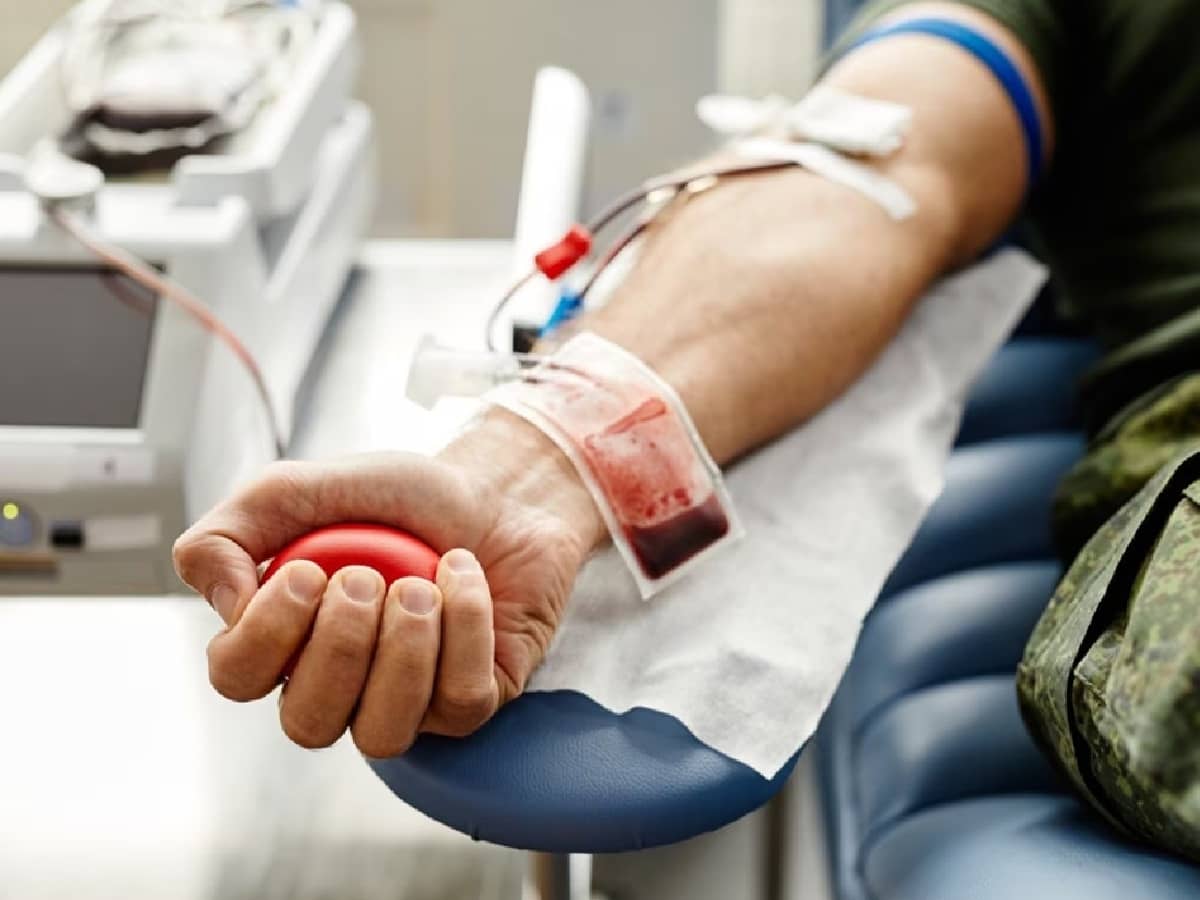
Donating blood is widely celebrated as one of the most noble acts of human kindness, with a single unit of donated blood capable of saving up to three lives. Driven by compassion, countless individuals step forward to help patients in urgent medical need. However, a common misconception is that anyone can donate blood at any time. Medical guidelines and physician evaluations establish strict criteria to ensure the safety of both the donor and the recipient.
Who Is Eligible to Donate Blood
According to medical experts like Dr. Swati Chauhan, safe blood donation depends on meeting specific physical benchmarks:
-
Age and Weight Requirements: Individuals aged between 18 and 65 years who weigh at least 45 kg are generally eligible.
-
Hemoglobin Levels: A minimum hemoglobin level of 12.5 g/dL or higher is required.
-
Frequency: Healthy men can typically donate blood every three months, while women can donate every four months.
-
Pre-Donation Screening: Before any donation takes place, medical staff review the donor's medical history, check blood pressure, pulse, body temperature, and overall physical health to grant final clearance.
Who Should Avoid Donating Blood
Not everyone is cleared to donate at all times. Temporary deferrals apply to individuals who have recently undergone surgery, received certain vaccinations, experienced pregnancy, or are currently taking specific medications. Furthermore, people suffering from severe anemia, those with recent tattoos or piercings, and individuals managing certain chronic illnesses are restricted from donating blood to protect health standards.
Essential Pre- and Post-Donation Guidelines
To ensure a safe and comfortable donation experience, donors should follow proper lifestyle precautions:
-
Before Donating: Eat a light, iron-rich meal two to three hours prior, stay well-hydrated, get a full night's sleep, and strictly avoid donating on an empty stomach or consuming alcohol beforehand.
-
After Donating: Drink plenty of fluids, water, fruit juice, or coconut water to maintain hydration and restore energy levels. Avoid heavy physical exercise, weightlifting, immediate smoking, or alcohol consumption for the remainder of the day. If you experience mild dizziness, rest comfortably for a short while until your vitals stabilize.