







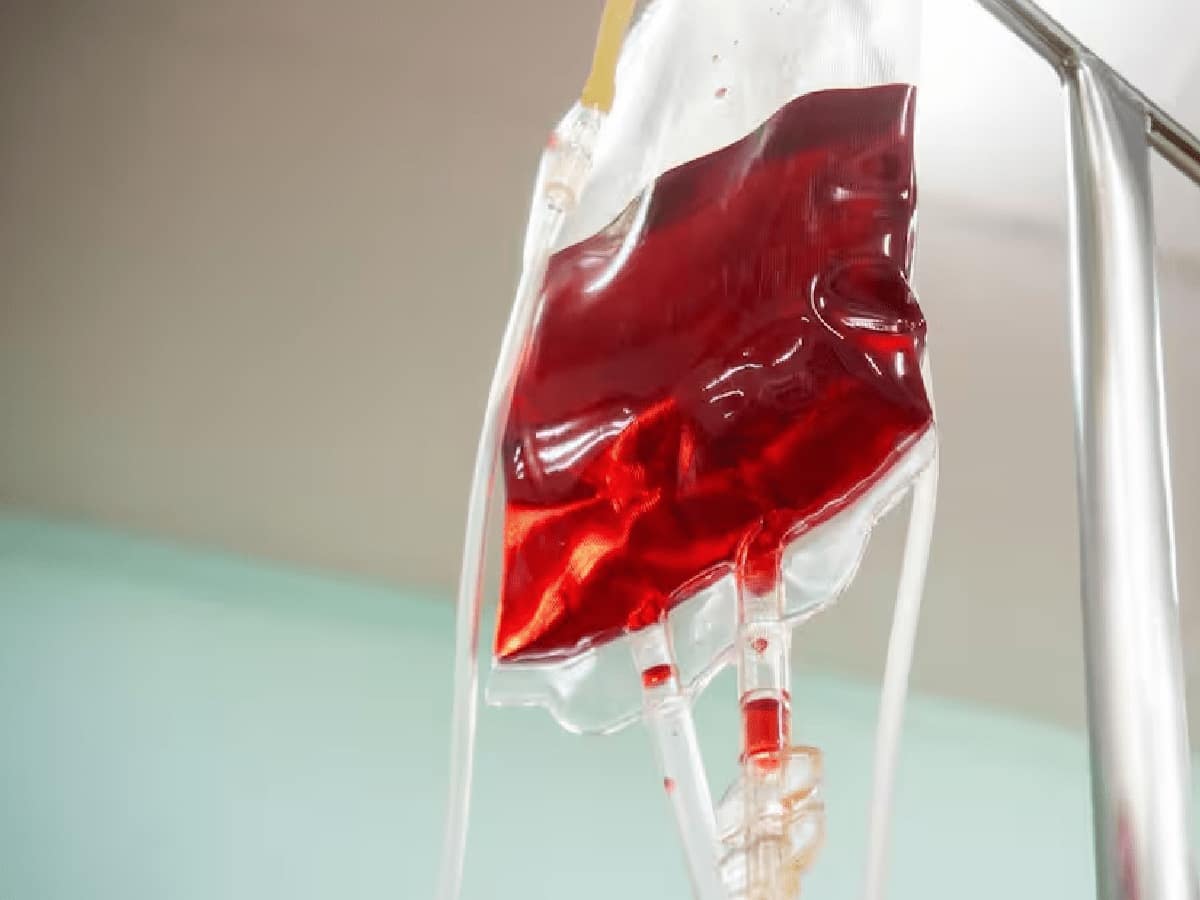
What Really Happens Inside the Human Body When the Wrong Blood Group Is Transfused
Administering an incompatible blood group to a patient during an emergency or routine medical procedure is considered one of the most critical clinical emergencies in modern transfusion medicine. When mismatched donor blood enters the bloodstream, the recipient’s immune system identifies the foreign donor red blood cells as hostile invaders and unleashes a rapid, destructive antibody response. Medically classified as an Acute Hemolytic Transfusion Reaction (AHTR), this rapid physiological cascade leads to the systematic destruction of red blood cells, releasing free hemoglobin into the plasma. Left unchecked, the resulting biochemical storm can quickly trigger widespread circulatory collapse, acute renal shutdown, systemic clotting abnormalities, and fatal multi-organ failure.
Immediate Warning Signs: How the Body Reacts Within Minutes
The symptoms of an incompatible blood transfusion manifest swiftly, often within minutes of the transfusion line opening:
-
Sudden Thermal Spikes and Chills: Patients frequently experience sudden, intense rigors accompanied by high-grade fever as circulating antibodies bind to donor antigens.
-
Chest Tightness and Flank Pain: A classic clinical hallmark of acute hemolysis is severe, constricting pain radiating across the chest or localized in the lower back along the flank regions.
-
Respiratory and Circulatory Shock: The rapid release of inflammatory mediators causes shortness of breath, sudden lightheadedness, a precipitous drop in blood pressure (hypotension), and rapid tachycardia.
-
Discolored Urine: As hemoglobin spills through the compromised renal filtration system, the patient’s urine quickly turns a characteristic dark red, brown, or tea-colored hue, signaling extensive intravascular hemolysis.
Renal and Cardiovascular Strain: The Path to Acute Organ Distress
The widespread destruction of red blood cells places immense pressure on the cardiovascular and renal systems:
-
Renal Tubular Blockage and Kidney Failure: The breakdown of donor red blood cells releases massive quantities of free hemoglobin into the vascular system; this hemoglobin precipitates within the renal tubules, leading to tubular necrosis, severe inflammation, and sudden acute kidney injury (AKI).
-
Disseminated Intravascular Coagulation (DIC): The massive immune response triggers an uncontrolled clotting cascade, creating micro-thrombi throughout the microvasculature while depleting platelets, causing simultaneous internal hemorrhage and clotting complications.
-
Tissue Hypoxia and Heart Strain: As functional red blood cells break down and blood pressure collapses, oxygen delivery to the brain, myocardium, and liver drops drastically, accelerating cardiac arrhythmias and hypovolemic shock.
Emergency Medical Protocol: How Clinicians Intervene During a Mismatch
Hospital teams follow strict emergency resuscitation pathways the moment an adverse transfusion reaction is suspected:
-
Immediate Cessation of Transfusion: The primary step is halting the blood infusion line while preserving intravenous access to run isotonic saline.
-
Aggressive Intravenous Hydration: High-volume IV fluids and diuretics are administered to maintain high urine output, diluting free hemoglobin to shield the renal filtration tubules from irreversible tubular necrosis.
-
Intensive Care and Hemodialysis: In severe cases marked by oliguria or complete renal failure, patients are moved to the Intensive Care Unit (ICU) for vasopressor support, mechanical respiratory assistance, and emergency hemodialysis to clear systemic toxins.
-
Blood Bank Verification: The remaining blood unit, accompanying tubing, and fresh post-transfusion patient samples are sent back to the blood transfusion laboratory for immediate clerical checks, direct antiglobulin testing, and repeat cross-matching.
Prevention and Patient Safety: Strict Safeguards Before Transfusion
Modern clinical guidelines rely on redundant safety checkpoints to prevent administrative and laboratory errors:
-
Two-Person Bedside Verification: Before any unit is hung, two healthcare providers must independently confirm the patient's identity, national health ID, hospital wristband details, donor unit number, and ABO/Rh compatibility labels.
-
Comprehensive Cross-Matching: Modern blood banking requires pre-transfusion antibody screening alongside direct cross-matching to catch minor antigen incompatibilities before release.
-
Vigilant Monitoring: Vital signs are recorded before the transfusion, monitored closely during the critical first 15 minutes, and checked regularly throughout the infusion; any sudden onset of fever, anxiety, or flank discomfort requires immediate reporting.




