







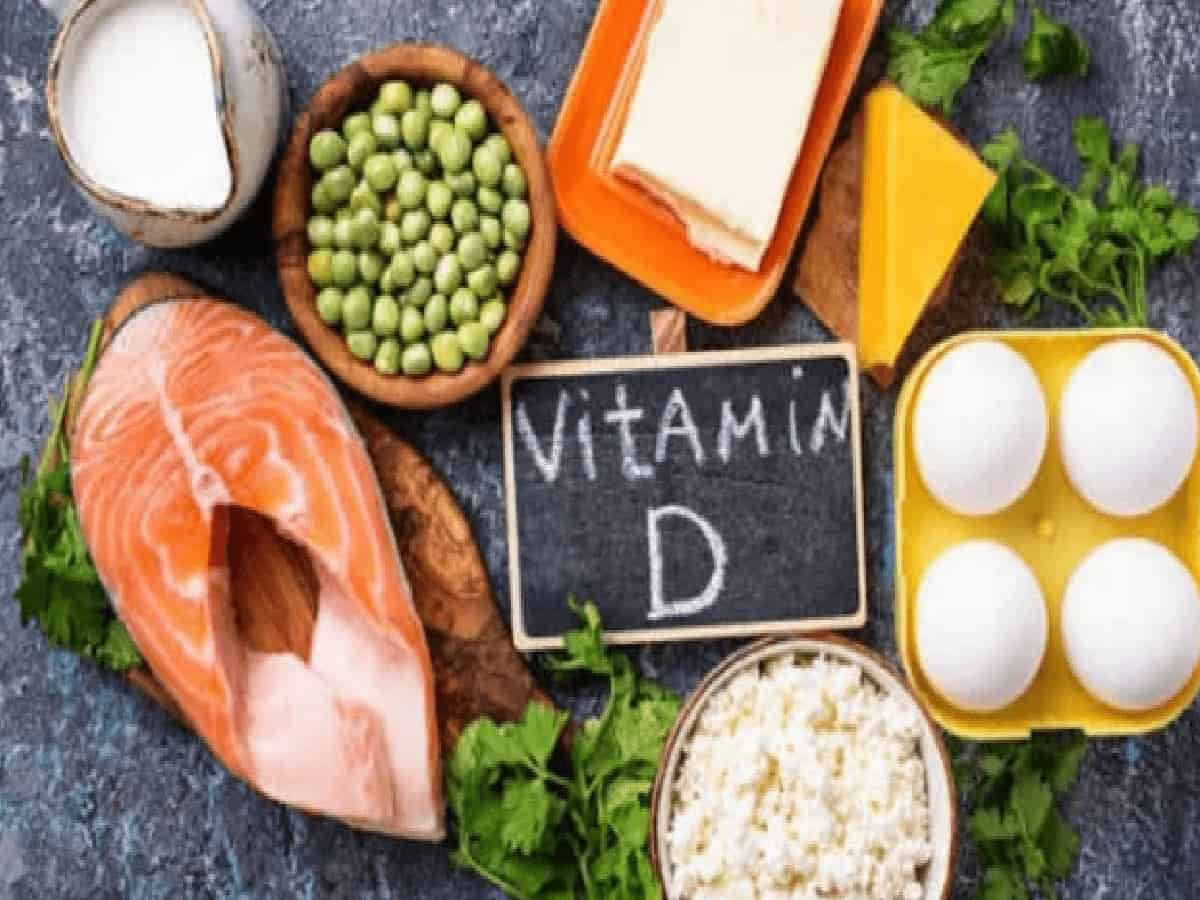
Vitamin D Deficiency? 7 Foods Besides Sunlight to Boost Levels
Persistent tiredness, sluggish muscle recovery, and aching bones or joints often leave people wondering whether their daily routine is missing a vital nutrient—and vitamin D is frequently at the top of that list. Often called the "sunshine vitamin" because human skin synthesizes cholecalciferol (vitamin D3) when exposed to ultraviolet-B (UVB) rays from sunlight, vitamin D is a fat-soluble secosteroid hormone essential for calcium and phosphorus absorption, bone mineralization, muscle contraction, immune regulation, and overall cellular health. Yet modern indoor lifestyles, sunscreen habits, darker skin melanin levels (which filter UVB rays more strongly), air pollution, and shorter winter daylight hours make vitamin D insufficiency and deficiency remarkably common—even in sun-rich countries like India. While brief, sensible sun exposure remains a primary natural trigger, pairing sensible outdoor time with vitamin D-rich and vitamin D-fortified foods offers a practical way to bolster daily intake. For health-conscious households, working professionals, and students across northern India—including families in Unnao and neighboring Uttar Pradesh cities such as Lucknow, Kanpur, Prayagraj, and Varanasi, where late-autumn and winter mornings bring cooler weather and shifting outdoor habits—knowing which everyday foods carry meaningful vitamin D makes meal planning far more effective.
Why Sunlight Alone Isn't Always Enough—and How Food Bridges the Gap
Because very few foods naturally contain high amounts of vitamin D, nutritionists emphasize combining smart dietary choices with regular outdoor exposure and, when medically indicated, targeted testing or supplementation. Vitamin D is fat-soluble, meaning your digestive tract absorbs it best when consumed alongside a meal containing healthy fats (such as ghee, olive or mustard oil, nuts, seeds, or dairy). In clinical practice, doctors assess vitamin D status using a 25-hydroxyvitamin D [25(OH)D] blood test rather than guesswork alone, since symptoms like fatigue, low mood, or muscle aches overlap with many other nutritional or thyroid issues.
7 Foods Rich in Vitamin D to Include in Your Weekly Diet
Adding a mix of natural and fortified sources across breakfast, lunch, and dinner helps raise dietary vitamin D intake steadily:
| Food Source | Nutritional & Vitamin D Role | Practical Ways to Include in Meals |
|---|---|---|
| 1. Fatty Fish (Salmon, Mackerel, Tuna) | Among the richest natural dietary sources of vitamin D3, while also supplying heart- and brain-healthy omega-3 fatty acids (EPA and DHA). | Enjoy grilled, baked, or pan-seared fatty fish 1–2 times per week as part of a balanced lunch or dinner. |
| 2. Egg Yolks | The yolk naturally contains vitamin D3 alongside protein, choline, and fat-soluble nutrients (whereas egg whites contain mostly protein). | Include whole eggs—boiled, poached, or in an omelet with vegetables—at breakfast rather than discarding the yolk. |
| 3. Milk and Dairy Products | Plain milk, curd/yogurt, and paneer/cheese provide calcium for bone structure, and many commercial milks are fortified with vitamin D. | Drink a glass of vitamin D-fortified milk or include curd/yogurt in daily meals. |
| 4. UV-Exposed Mushrooms | One of the rare plant/fungi sources of vitamin D (primarily vitamin D2); exposing mushrooms to direct sunlight or UV light markedly boosts their vitamin D content. | Use sun-exposed mushrooms in stir-fries, curries, soups, or grain bowls cooked with a little healthy oil. |
| 5. Fortified Breakfast Cereals | Many whole-grain and bran cereals are fortified with vitamin D, iron, and B vitamins to help close everyday micronutrient gaps. | Pair a serving of fortified cereal with milk or yogurt for a quick morning meal (watch added sugars). |
| 6. Fortified Soy Milk and Tofu | Plant-based staples that offer protein, isoflavones, and calcium, frequently fortified with vitamin D for vegetarian and dairy-free diets. | Use fortified soy milk in smoothies/coffee or toss tofu into curries and stir-fries. |
| 7. Fortified Fruit Juices / Beverages | Select commercial juices or plant beverages are fortified with vitamin D and calcium, offering an occasional option to boost intake. | Check nutrition labels to verify actual vitamin D fortification and keep portions moderate to limit free sugars. |
Pairing Food With Smart Habits and Knowing When to Get Tested
Because food alone—even fatty fish or fortified milk—often supplies modest amounts compared with therapeutic doses needed to correct a pronounced deficiency, relying solely on diet may not rapidly resolve severe low levels. If you suspect a deficiency due to persistent fatigue, bone or muscle discomfort, or limited sun exposure, asking a doctor for a 25-hydroxyvitamin D blood test provides clear numbers so any dietary changes or supplements are tailored safely to your body's needs.




