Understanding CPR: When to Administer Life-Saving Chest Compressions
When a person experiences a sudden cardiac arrest, every single second counts. Following the tragic passing of veteran actor Nana Patekar due to cardiac arrest—where medical teams attempted resuscitation for nearly 45 minutes—conversations surrounding emergency response have taken center stage. Cardiopulmonary Resuscitation (CPR) is a critical, life-saving technique designed to manually maintain blood flow and oxygenation until professional medical help arrives. However, saving a life requires knowing precisely when to initiate chest compressions, how to execute them correctly, and when CPR should not be administered.
When Should CPR Be Administered? Recognizing Cardiac Arrest
Prompt intervention is the single most important factor in surviving a cardiac emergency. Recognizing the signs early ensures rapid action:
-
Unresponsiveness and Collapse: During a cardiac arrest, a person typically collapses suddenly, loses consciousness instantly, and stops breathing normally.
-
Checking for Signs: If an individual is completely unresponsive to verbal calls and gentle shoulder taps, and their breathing appears absent or irregular (such as erratic gasping, which should never be mistaken for normal breathing), call emergency services immediately and initiate hands-on CPR.
The Correct Step-by-Step Way to Perform CPR on Adults
When dealing with an adult who has collapsed and is not breathing normally, executing compressions with proper form is essential:
-
Ensure Safety and Check Responsiveness: Confirm the surrounding area is safe. Tap the person gently on the shoulder, check for responsiveness, and direct a bystander to call for emergency medical assistance.
-
Positioning: Carefully lay the person flat on their back on a firm, rigid surface.
-
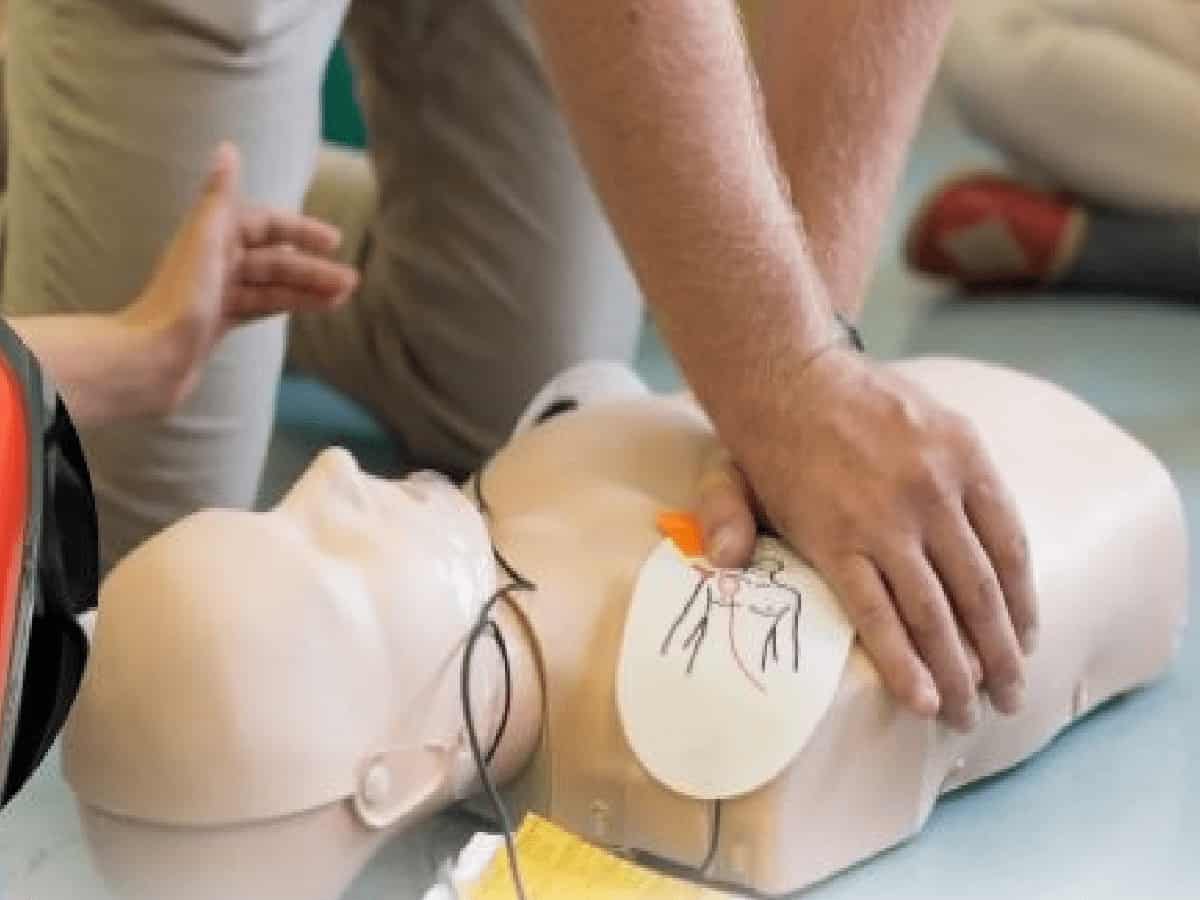
Hand Placement: Place the heel of one hand in the center of the person's chest (on the lower half of the breastbone), and interlock your other hand on top.
-
Compression Depth and Pace: Push straight down, compressing the chest firmly by 5 to 6 centimeters. Maintain a rapid, steady rhythm of 100 to 120 compressions per minute, allowing the chest to fully recoil and return to its normal position between compressions.
-
Duration: Continue uninterrupted compressions until the person shows signs of normal breathing or movement, trained emergency medical personnel take over, or you become physically exhausted. If an Automated External Defibrillator (AED) is nearby, power it on and follow its automated voice prompts.
When Should CPR NOT Be Administered?
While CPR is a vital emergency intervention, performing it incorrectly or in inappropriate situations can cause harm:
-
Normal Breathing and Consciousness: If an unconscious person is breathing normally, steady, and showing signs of regular heart function, do not perform chest compressions.
-
Alternative Care: If breathing is normal, monitor their condition closely, avoid unnecessary body movement if injury risks exist, place them in a safe recovery position, and seek immediate medical evaluation.
-
Understanding Limitations: CPR is not a guaranteed cure in every critical medical crisis, but delaying assistance during true cardiac arrest is frequently fatal. Acquiring proper first-aid and CPR training empowers bystanders to act with confidence when emergencies strike.