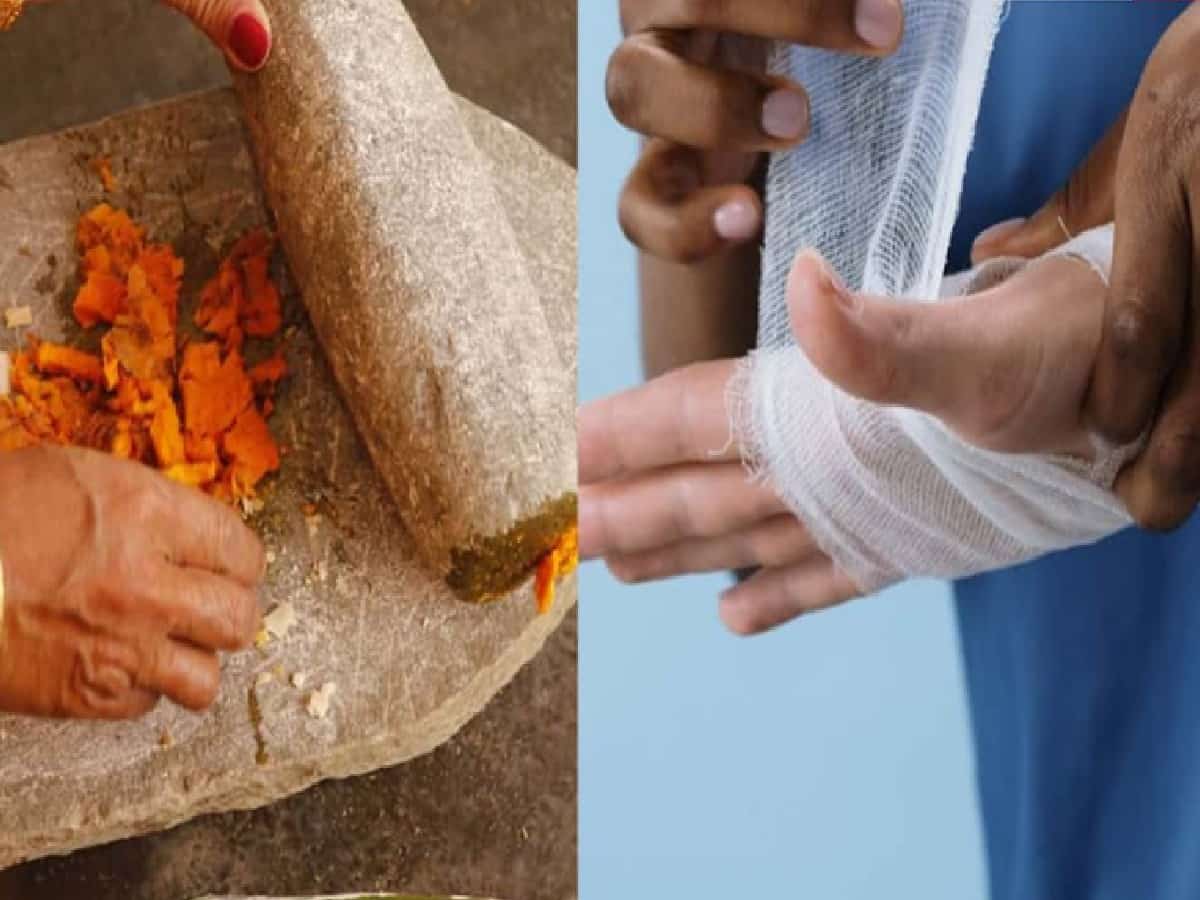
Turmeric for Wounds: Is Applying Haldi Safe for Every Cut, Here Is What Experts Say
Across traditional Indian households, reaching for the kitchen spice box to apply turmeric (haldi) onto a fresh cut or scrape is an instinctive, generations-old reflex. Valued for its natural healing properties, turmeric is widely trusted for everyday minor injuries. However, the common belief that turmeric is a universal remedy suitable for every type of wound requires a closer look. While science confirms its medicinal benefits, knowing when, how, and when not to use turmeric is crucial for proper skin health and wound care.
The Science of Curcumin: Why Turmeric Heals
The secret behind turmeric's powerful medicinal reputation lies in a primary active compound called curcumin. Numerous scientific studies and traditional Ayurvedic texts highlight that curcumin possesses potent anti-inflammatory, antibacterial, and tissue-regenerating properties. Animal and small-scale human studies indicate that applying turmeric to minor injuries can accelerate the wound-healing process, promote new tissue growth, and effectively reduce swelling, pain, and bacterial odor.
When Turmeric Is Not Enough: Risks of Deep Wounds
Despite its effectiveness on minor scrapes and abrasions, assuming turmeric works on every category of injury can be risky. Relying solely on raw turmeric for deep lacerations, severe burns, animal bites, or wounds involving heavy bleeding is strongly discouraged.
Furthermore, raw kitchen turmeric is not sterile; applying it directly to open or deep wounds can introduce unwanted bacteria, triggering irritation, itching, or allergic reactions. Severe injuries require proper clinical cleaning, sterile medical dressings, and professional medical supervision.
Proper Guidelines for Safe Application
If you choose to use turmeric for minor first-aid care, following proper hygienic practices ensures safety and effectiveness:
-
Clean the Injury First: Always wash the scrape or minor cut thoroughly with clean running water to remove invisible dirt, dust, or debris.
-
Avoid Raw Application: Instead of packing raw, unsterilized powder directly onto broken skin, consider using formulated turmeric ointments or mixing pure turmeric with a clean, natural carrier like honey.
-
Cover and Monitor: Protect the treated minor cut with a sterile bandage to prevent secondary contamination. If a wound is deep, intensely painful, shows signs of swelling, or fails to heal within a few days, abandon home remedies and consult a healthcare professional immediately.