







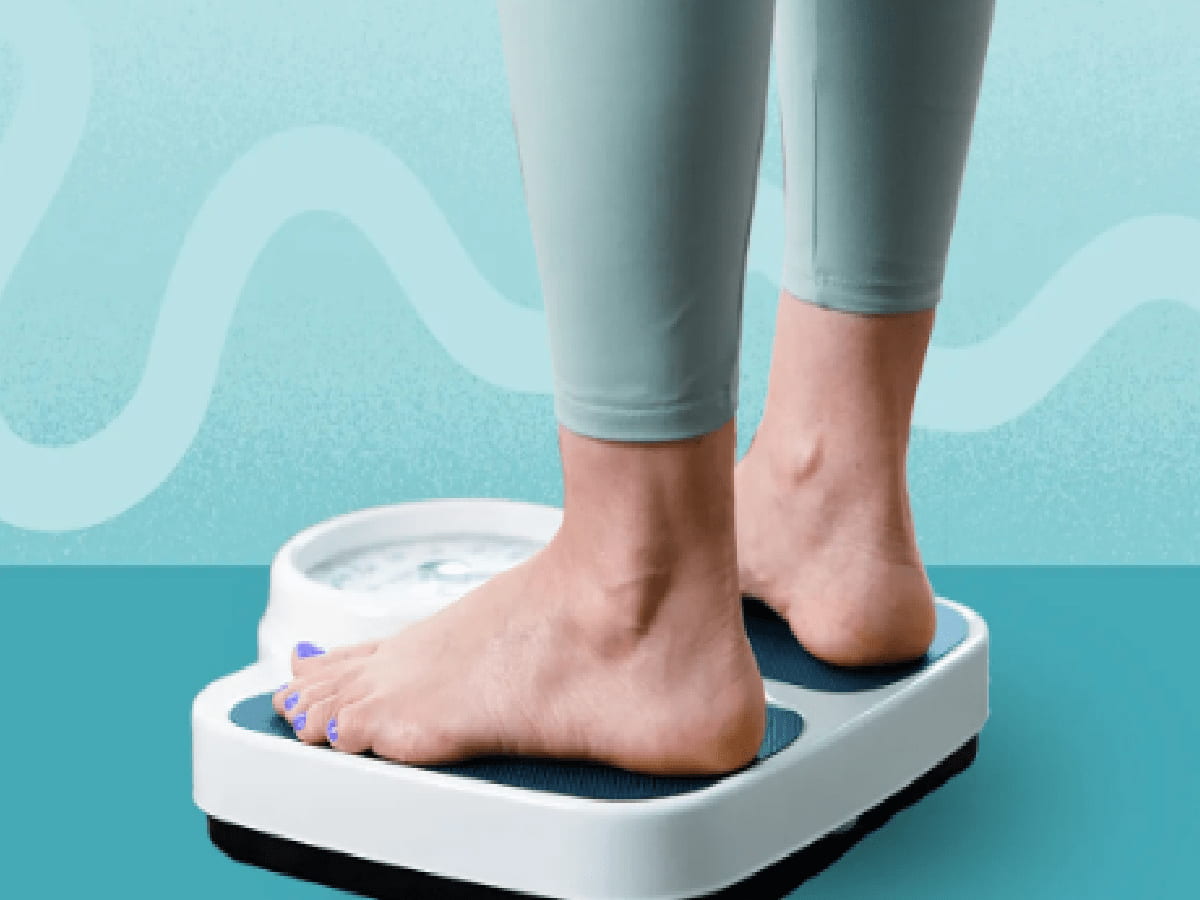
Sudden Weight Spike, It Might Be Water Retention, Not Fat
Seeing the number on your bathroom scale spike dramatically over a matter of 24 to 48 hours can trigger instant anxiety, but true fat accumulation does not occur overnight. Instead, sudden weight surges are overwhelmingly driven by excess fluid accumulation, commonly known as "water weight" or edema. Although the human body is naturally composed of roughly 60 to 70 percent water, modern lifestyle factors—such as surplus sodium consumption, erratic hydration schedules, hormonal changes, and sustained physical inactivity—can disrupt osmotic equilibrium, causing extracellular tissues to retain unnecessary fluid. This phenomenon frequently manifests as morning facial puffiness, swollen fingers, heavy ankles, and stubborn abdominal bloating. While shedding retained fluids does not directly eliminate adipose fat cells, restoring your body's fluid balance swiftly removes physical discomfort, visibly trims puffiness, and normalizes scale readings.
Unlocking the Mechanics: Why Does the Body Retain Water Weight Instead of Fat?
Understanding how fluid dynamics interact with daily habits explains why your weight fluctuates rapidly:
-
The Sodium and Refined Sugar Trap: Excessively consuming salty processed snacks and sugary beverages prompts the renal system to aggressively conserve water to maintain the physiological sodium-to-liquid concentration in the bloodstream.
-
The Dehydration Reflex: When daily water intake falls below metabolic needs, the human body perceives a state of severe drought, activating emergency fluid-conservation pathways that trap water within interstitial spaces.
-
Distinct Physical Hallmarks: Unlike dense subcutaneous fat that accumulates progressively over weeks, water weight presents suddenly as tightened wristbands or rings, eye puffiness upon waking, and uncomfortable abdominal distension.
5 Actionable Strategies to Safely Shed Water Weight and Relieve Bloating
Adopting targeted nutritional choices and holistic wellness practices signals your organs to safely flush pooled fluids:
-
Drink Adequate Water to Flush Retention: It may sound paradoxical, but increasing your clean water consumption reassures your kidneys that fluid supplies are plentiful, triggering them to excrete excess stored water and sodium through frequent filtration.
-
Limit Salt and Load Up on Potassium-Rich Greens: Curtail processed table salt and refined sugars while elevating natural potassium intake; incorporating foods like raw garlic, crisp cabbage, spinach, lemons, and cucumbers balances cellular electrolytes and eases tissue swelling.
-
Engage in Daily Aerobic Exercise and Yoga: Consistent physical exertion elevates blood flow and stimulates the lymphatic network to pump pooled fluid out of the extremities, though high-strain inverted yoga postures should be approached with caution depending on personal comfort.
-
Practice Traditional Ayurvedic Abhyanga Massage: Incorporating full-body warm herbal oil self-massage (Abhyanga) eases deep muscular tension, enhances peripheral circulation, and assists the body in naturally clearing trapped metabolic byproducts and fluids.
-
Embrace Natural Diuretic Foods: Adding hydrating, nutrient-dense produce—such as fresh cucumbers, leafy herbs, and citrus infusions—gently encourages healthy kidney clearance without causing systemic mineral depletion.
Clinical Red Flags: When Persistent Swelling Demands Medical Care
While transient fluid retention after a salty meal is common, chronic or worsening swelling must never be dismissed:
-
Signs of Pitting Edema: If swollen areas around your shins, ankles, or feet leave visible, prolonged indentations when pressed with a finger, simple lifestyle adjustments may not suffice.
-
Vital Organ Complications: Chronic, unyielding fluid retention can be a cardinal sign of compromised renal filtration, congestive heart strain, or hepatic conditions such as liver disease.
-
Timely Medical Consultation: If puffiness in your limbs or face persists across several days despite dietary corrections and proper hydration, seek professional clinical evaluation and diagnostic blood panels without delay.




