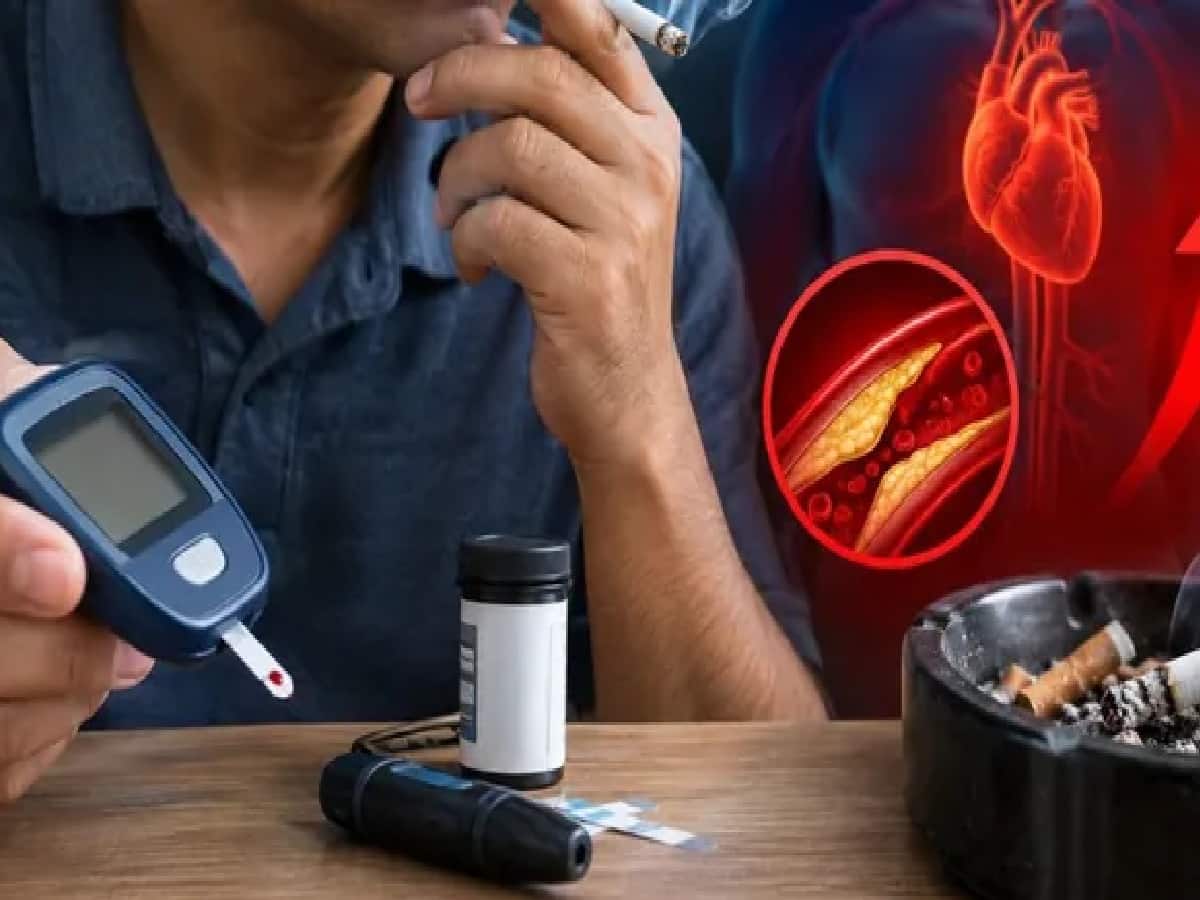
Smoking and Diabetes: A Deadlier Combination That Elevates Mortality Risk by 55%
The modern lifestyle has triggered an alarming rise in lifestyle-related disorders, with cigarette and tobacco smoking remaining a persistent public health challenge worldwide. Compounding this issue is India's notorious reputation as the diabetes capital of the world, housing millions of individuals managing chronic blood sugar imbalances. When these two health threats collide, the consequences can be catastrophic. A groundbreaking international study has revealed that individuals diagnosed with diabetes who also maintain a smoking habit face a staggering 55% increased risk of mortality compared to non-smokers managing the condition.
Global Study Highlights 55% Higher Mortality Risk for Diabetic Smokers
Published in the esteemed journal Diabetes Research and Clinical Practice, the comprehensive study was compiled by a collaborative panel of 35 medical experts across 13 countries, including prominent researchers from India. The findings underscore that smoking acts as a severe multiplier of health risks for type 2 diabetes patients.
Analyzing massive data sets, a meta-analysis covering 48 studies and 1.13 million participants identified a 55% surge in overall mortality risk. Furthermore, another expansive analysis tracking 1.3 million patients indicated a 48% increased risk of death alongside a 36% higher likelihood of succumbing to cardiovascular and heart-related complications.
Experts Call for Mandatory Smoking Cessation in Diabetes Treatment
In light of these alarming statistics, medical experts are issuing a clarion call for a paradigm shift in endocrinology and primary care. The research panel demands that smoking cessation support be officially integrated into standard treatment protocols for type 2 diabetes.
Doctors are urged to move beyond casual warnings, incorporating structured, repeated follow-ups, behavioral counseling, and proactive intervention strategies during routine clinical visits to help patients kick the habit permanently.
Effective Pharmaceutical and Therapeutic Cessation Options
Addressing the clinical solutions required to tackle nicotine addiction, the study outlines specific pharmacological aids suited for diabetic patients:
-
Varenicline: Recommended as the premier first-line medication choice for smoking cessation in individuals with diabetes.
-
Nicotine Replacement Therapy (NRT): Suggested as a viable secondary alternative when primary medications are unavailable or unsuitable.
-
Bupropion: Another clinically approved prescription option to manage withdrawal symptoms and reduce cravings.
Structured Monitoring and Medical Supervision After Quitting
Quitting smoking triggers significant physiological changes in the body, requiring careful medical oversight. The study advises physicians to schedule strict follow-up checkups within two weeks of a patient quitting smoking, followed by a secondary evaluation at the four-week mark.
During these monitoring sessions, doctors must closely track critical health parameters, including blood sugar levels, blood pressure fluctuations, and weight changes. Continuous monitoring is essential because metabolic shifts resulting from smoking cessation often necessitate adjustments in a patient's ongoing diabetes medication and insulin dosages.