







Silent Indoor Threat: Perfumes, Mosquito Coils & Air Fresheners Worsening Your Chronic
Whenever seasonal respiratory infections, dry coughs, throat scratchiness, or sudden shortness of breath strike during the autumn and winter months, public attention instinctively fixates on external atmospheric pollution. Across metropolitan belts like Delhi-NCR, heavy industrial smog, vehicular exhaust, and airborne dust particles routinely take the blame for worsening lung ailments. Medical pulmonologists point out that the air inside modern residential homes—spaces widely regarded as safe sanctuaries—often harbors concentrated toxic particulates. Everyday household essentials used to scent living spaces, eliminate unwanted odors, repel insects, and clean surfaces release invisible chemical fumes and volatile organic compounds (VOCs). When inhaled continuously in poorly ventilated, air-conditioned rooms, these common convenience products irritate bronchial passages, trigger severe asthmatic flare-ups, and cause lasting damage to delicate alveolar tissue.
Synthetic Scents and Aerosols: How Perfumes and Deodorants Irritate Airways
Spraying commercial deodorants and fine fragrances creates an immediate cloud of suspended chemical irritants:
-
Inhalation of Volatile Organic Compounds: Commercial perfumes, colognes, and aerosol body sprays rely on synthetic fixatives and chemical solvents classified as VOCs, which vaporize instantly into the surrounding air upon spraying.
-
Direct Airway and Throat Inflammation: Fine chemical droplets remain suspended in indoor air currents, allowing them to travel directly into the trachea and upper respiratory passages, causing sudden coughing fits, voice hoarseness, and persistent throat irritation.
-
Asthma and Allergy Triggers: For individuals diagnosed with chronic bronchitis, asthma, or seasonal allergies, inhaling concentrated aerosol mists can trigger acute bronchospasms and sudden breathing constriction.
-
Neurological Side Effects in Enclosed Spaces: Applying strong aerosol sprays in compact, sealed bedrooms frequently induces nausea, lightheadedness, nasal burning, and throbbing tension headaches.
Room Fresheners and Scented Candles: Masking Odors While Loading Indoor Air with Toxins
Commercial fresheners and designer candles create an illusion of pristine air while introducing hidden synthetic compounds:
-
The Phthalate Hazard: Aerosol sprays, plug-in diffusers, and gel fresheners do not sanitize the surrounding atmosphere; instead, they chemically overpower ambient odors using synthetic fragrance oils loaded with phthalates, which irritate mucous membranes.
-
Toxic Paraffin Combustion: Burning scented candles releases ultrafine soot and combustion byproducts derived from petroleum-based paraffin wax, exposing lungs to particulate pollution comparable to second-hand tobacco smoke.
-
Natural Fresh Air Alternatives: Rather than masking stale indoor air with synthetic fragrances, homeowners should crack open windows for cross-ventilation, utilize air-purifying houseplants, or simmer natural citrus peels like orange and lemon on the stove.
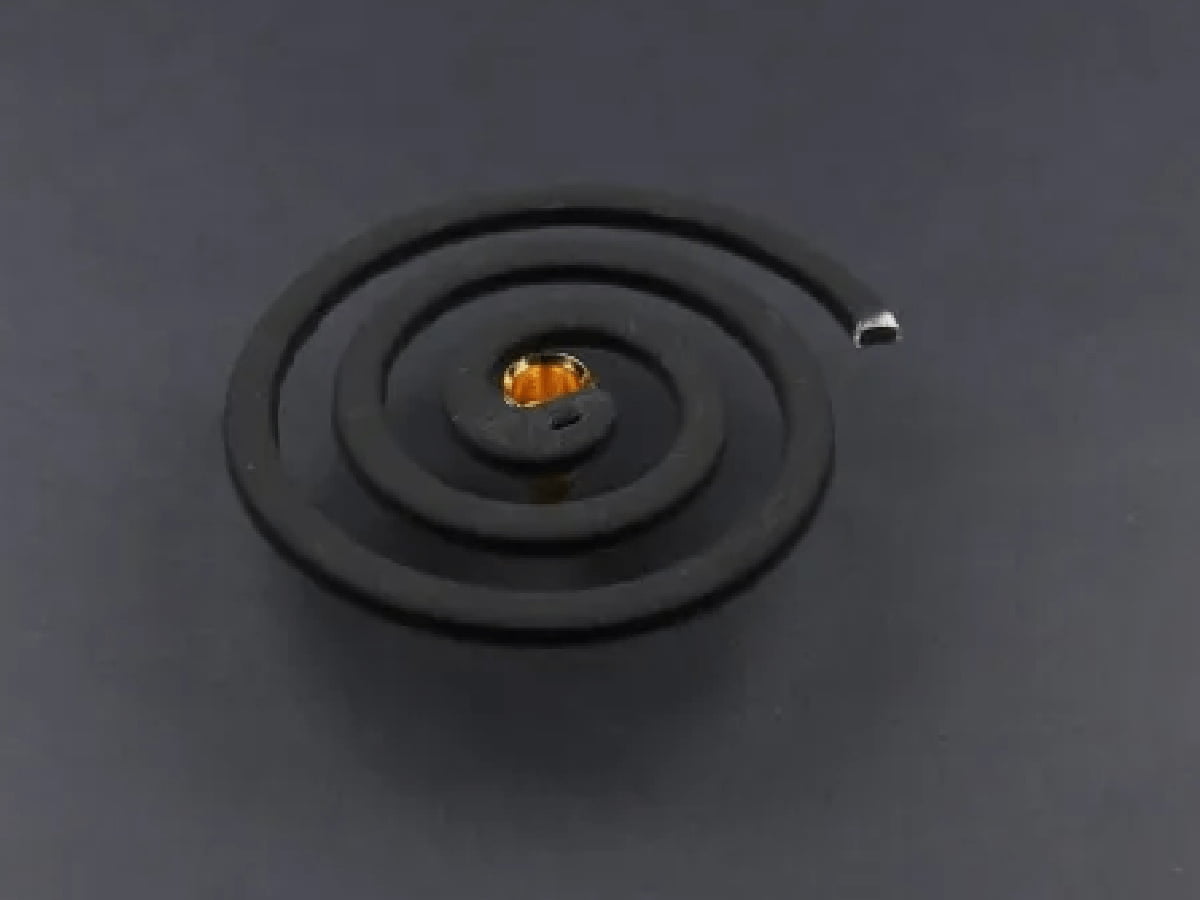
Mosquito Coils and Vaporizers: The Heavy Respiratory Cost of Nightly Repellents
Protecting bedrooms from mosquitoes during humid seasonal transitions often introduces severe indoor chemical exposure:
-
Equivalent to Massive Cigarette Smoke: Scientific evaluations reveal that smoldering a single traditional mosquito coil in an enclosed room generates particulate emissions and toxic formaldehyde comparable to burning dozens of commercial cigarettes.
-
Accumulation of Carbon Monoxide: Operating continuous liquid vaporizers or burning coils overnight behind shut doors and windows causes carbon monoxide, pyrethroids, and ultrafine ash to accumulate throughout sleeping hours.
-
Morning Dry Cough Syndrome: Waking up with a parched, burning throat, morning coughing spells, or chest tightness is frequently tied to prolonged nocturnal exposure to chemical insect repellents.
Agarbatti Smoke and Chemical Cleaners: Overlooked Domestic Inhalants Damaging Weak Lungs
Daily spiritual traditions and aggressive domestic sanitation products can further degrade indoor breathable air quality:
-
Particulate Trapping from Incense Sticks: Burning traditional agarbatti and dhoop sticks releases smoke containing powdered bamboo, sawdust, and synthetic binders, producing fine carbon particles that lodge deep within the pulmonary alveoli.
-
Vulnerability in Children and Seniors: Infants, growing toddlers, and elderly family members possess sensitive respiratory tracts; inhaling dense incense smoke rapidly produces chest congestion, audible wheezing, and coughing spells.
-
Noxious Vapors from Bleach and Acid Cleaners: Disinfecting closed bathroom tiles with harsh acidic agents, phenol, or concentrated chlorine bleach releases volatile chloramine vapors that cause immediate eye watering, chest heaviness, and chronic bronchial irritation.
Actionable Home Measures: Protecting Your Family from Indoor Air Toxins
Reclaiming healthy indoor air does not require abandoning personal hygiene or home cleanliness, but rather adopting mindful daily habits:
-
Prioritize Daily Cross-Ventilation: Open opposing doors and windows for at least 30 to 45 minutes every morning to purge stagnant volatile chemicals and refresh the home's ambient oxygen balance.
-
Switch to Natural Botanical Aromas: Replace aerosol fresheners and paraffin candles with natural essential oil diffusers, pure beeswax tapers, or dried natural herbal potpourri.
-
Integrate Indoor Air-Purifying Plants: Place NASA-approved indoor greenery—such as snake plants, areca palms, spider plants, and peace lilies—throughout bedrooms and living halls to absorb ambient chemical toxins naturally.
-
Phase Out Aerosol Cleaning Sprays: Avoid aerosolized chemical disinfectants, opting instead for mild plant-based cleaners, vinegar-baking soda solutions, and physical mosquito screens on windows rather than continuous overnight chemical vaporizers.




