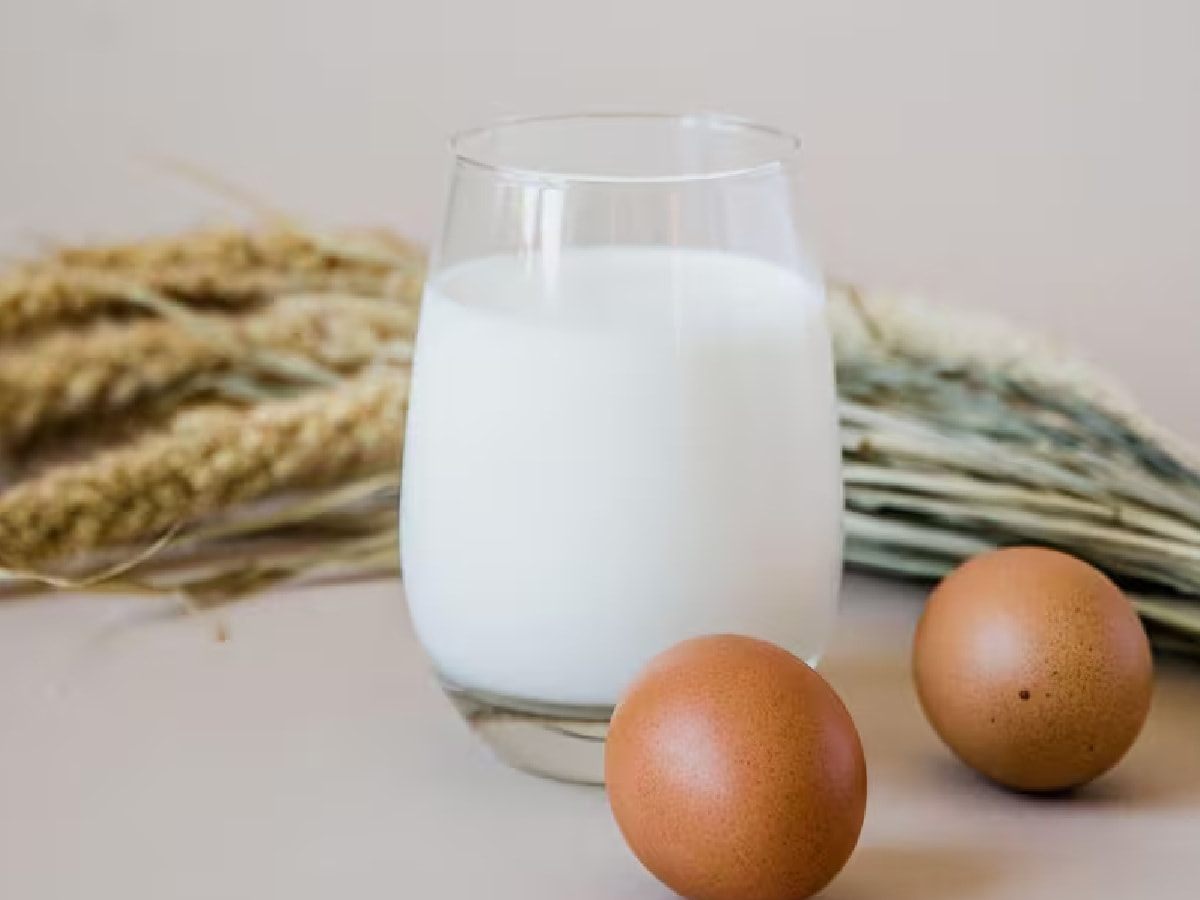
Protein Do You Actually Need Daily, Age-Wise Chart from Toddlers to Seniors
Protein serves as the essential biological building block of human physiology, driving the cellular formation, repair, and preservation of skeletal muscle tissue, bone matrix, skin, hair, and internal organs. Beyond structural integrity, dietary amino acids act as indispensable precursors for synthesizing vital metabolic enzymes, neurotransmitters, and regulatory hormones that sustain baseline immunity. When daily intake consistently drops below physiological requirements, the body enters a catabolic state, breaking down lean muscle mass to harvest amino acids, which results in chronic physical exhaustion, muscle wasting, brittle nails, and compromised resistance to infections. Because metabolic turnover shifts dynamically throughout life, determining your optimal daily protein threshold requires evaluating age, body weight, metabolic health, and physical exertion levels rather than relying on a generic estimate.
Age-Wise Daily Protein Breakdown: From Early Childhood to Adolescence
Nutritional requirements fluctuate sharply during developmental growth spurts, making targeted daily intake crucial across varying childhood stages:
-
Toddlers (Ages 1 to 3 Years): Rapid organ development and neurological growth demand approximately 13 grams of high-quality protein per day, easily supplied through whole milk, paneer, and mashed lentils.
-
Young Children (Ages 4 to 8 Years): Expanding muscular frameworks and bone elongation require roughly 19 grams of protein daily, balanced with dairy, eggs, and legumes.
-
Adolescent Boys (Ages 14 to 18 Years): Surging testosterone and intense musculoskeletal development push daily requirements up to approximately 52 grams, with athletic teens requiring higher thresholds.
-
Adolescent Girls (Ages 14 to 18 Years): Hormonal shifts and bone density accumulation necessitate approximately 46 grams of protein per day, supported by whole foods rich in iron and calcium.
Daily Requirements for Healthy Adults and the 0.8g per Kg Benchmark
For the average sedentary adult, clinical dietary guidelines recommend a baseline intake of 0.8 grams of protein per kilogram of body weight each day. Under this clinical formula, a healthy individual weighing 60 kg requires approximately 48 grams of daily protein, while a 70 kg individual requires around 56 grams to prevent lean mass depletion. However, this baseline metric represents the bare minimum to prevent nutritional deficiency; individuals engaging in regular resistance training, endurance athletics, pregnant and lactating mothers, or patients recovering from surgical interventions require higher amounts ranging between 1.2 to 2.0 grams per kilogram to support cellular regeneration and continuous muscle protein synthesis.
Preserving Muscle in Old Age: Combating Sarcopenia Through Whole Foods
As individuals cross the age of 50, the human body naturally faces accelerated age-related muscle loss, known medically as sarcopenia, along with diminished amino acid absorption efficiency in the gut. For senior citizens, prioritizing easily digestible, high-biological-value protein sources is paramount to maintaining mobility, bone density, and fall prevention. Nutritionists recommend anchoring daily senior diets with nutrient-dense options such as lentils, chickpeas, kidney beans (rajma), soy chunks, low-fat milk, fresh curd, paneer, eggs, lean fish, skinless chicken, and soaked nuts to preserve muscular strength and functional independence well into advanced age.