Post-Covid Alarm: How Reactivated Dormant Viruses Make Future Flus Dangerous for Lungs
A startling discovery from the medical science community has revealed long-term health implications for individuals who suffered from severe COVID-19 infections. According to a research report published in the prestigious scientific journal Nature, severe coronavirus infections are reawakening viruses that have remained dormant inside the human body for years. Scientists warn that the reactivation of these hidden pathogens leaves lung tissues highly sensitive and structurally weakened, meaning that future bouts of common influenza or minor respiratory infections could prove exceptionally severe or even fatal for affected individuals.
Understanding Dormant Viruses and the COVID Trigger
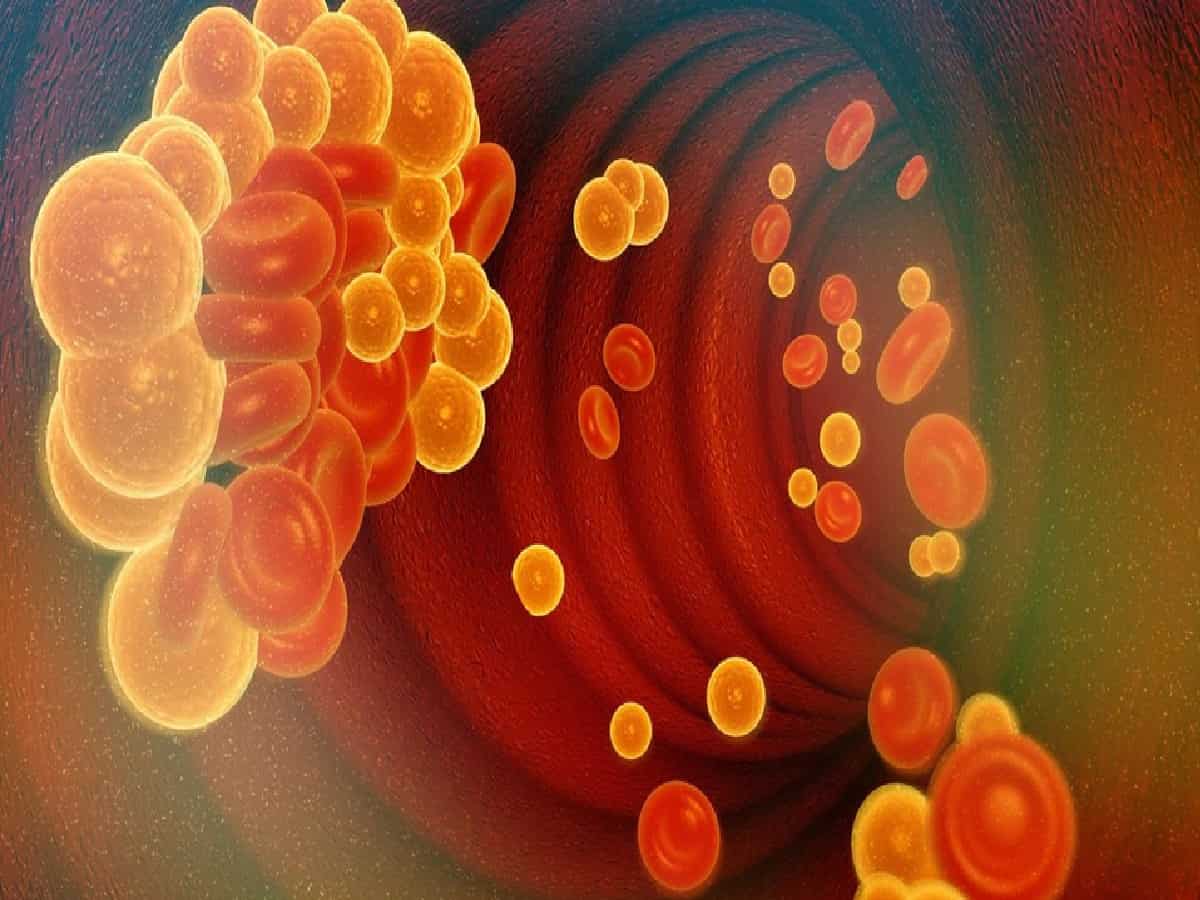
The human body naturally harbors various persistent viruses—such as Epstein-Barr virus, cytomegalovirus, and members of the Anelloviridae family—which are never completely eradicated after initial exposure. Instead, they remain hidden and inactive inside cells, kept under strict control by a healthy immune system. However, researchers discovered that the intense, prolonged inflammation triggered by a severe COVID-19 infection acts as an internal biological alarm, disrupting immune vigilance and awakening these dormant viral residents from their inactive state.
Long-Term Lung Vulnerability and Post-Covid Complications
When these latent viruses reactivate following coronavirus recovery, they induce persistent, low-grade inflammation and cellular stress within the pulmonary tissues. This continuous internal strain damages the delicate cells responsible for lung repair and regeneration, explaining why many people experience prolonged fatigue, shortness of breath, and lingering weakness months after recovering from COVID-19. Consequently, if a person with reactivated viruses contracts standard seasonal flu or a mild cold later on, their compromised lungs struggle to cope, escalating the risk of severe respiratory distress.
Protective Steps and Lung Care
To safeguard respiratory health against these post-covid risks, medical experts recommend proactive lifestyle and clinical measures:
-
Get Vaccinated: Consult a physician to stay up to date on annual flu and respiratory vaccines, especially during seasonal transitions.
-
Anti-Inflammatory Diets: Incorporate foods rich in antioxidants, such as leafy green vegetables, turmeric, fresh fruits, and nuts, to help combat internal inflammation.
-
Breathing Exercises: Practice gentle pulmonary exercises or pranayama daily to maintain lung capacity and strength.
-
Prompt Medical Attention: Avoid self-medicating for persistent coughs, colds, or phlegm; instead, seek immediate evaluation from a qualified chest specialist.