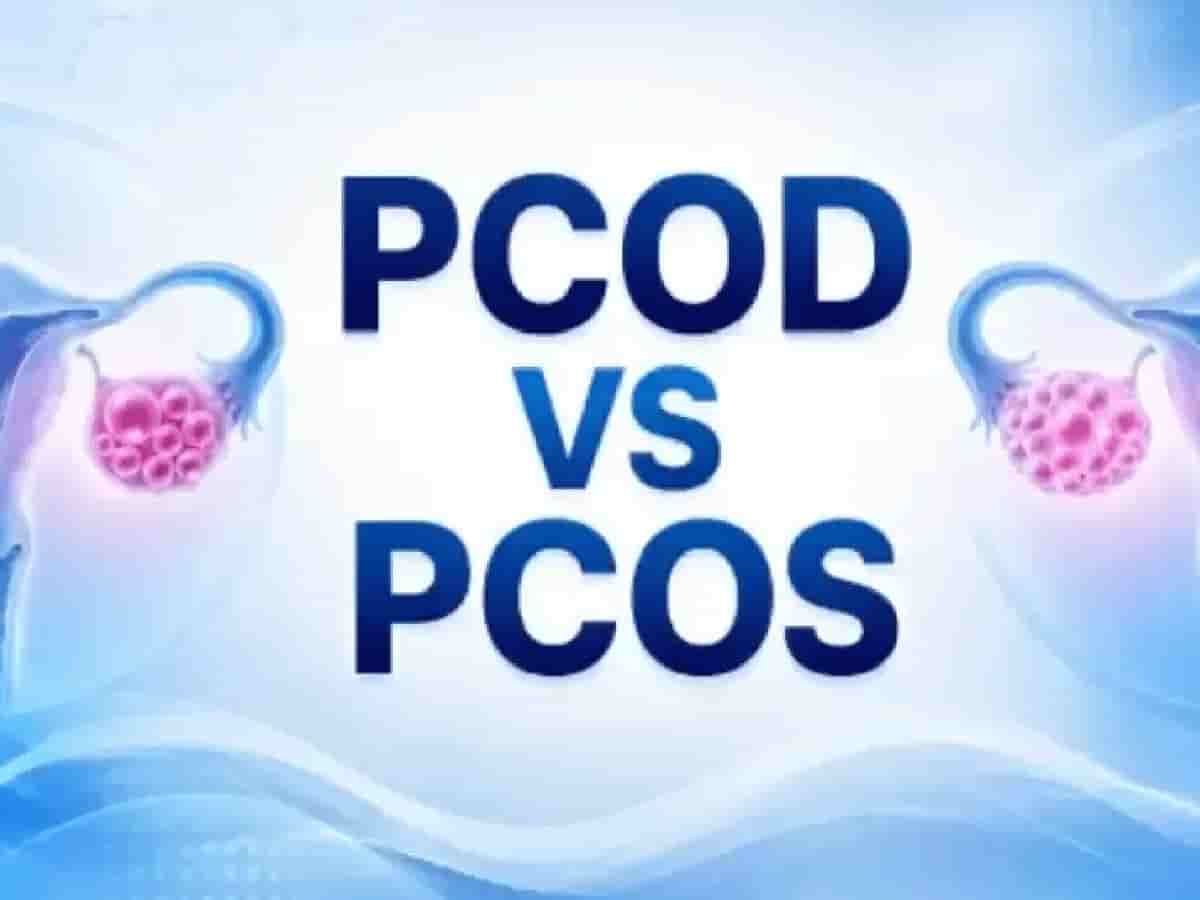
PCOS vs PCOD: Understanding the Key Differences, Symptoms, Diagnosis, and Long-Term Health Risks Every Woman Should Know
Polycystic Ovarian Disease (PCOD) and Polycystic Ovary Syndrome (PCOS) are terms frequently used interchangeably in everyday conversation, leading many women to assume they describe the exact same medical issue. However, medical experts emphasize that these two hormonal conditions are distinct, affecting the body differently and requiring unique management strategies. According to Tamanna Singh, Founder of Menoveda and a noted menopause and hormonal health coach, recognizing the precise difference is crucial, as it directly influences how seriously a woman approaches her symptoms, medical diagnosis, and long-term health trajectory.
What Is PCOD? Exploring the Milder Hormonal Condition
Polycystic Ovarian Disease (PCOD) is a common endocrine condition that occurs when the ovaries release immature or partially mature eggs, which over time can accumulate and develop into small cysts. PCOD is generally classified as a milder metabolic disorder. Many women diagnosed with PCOD are still able to conceive naturally without extensive fertility interventions, and their physical symptoms often show remarkable improvement through consistent dietary corrections, regular physical exercise, and positive lifestyle modifications.
Understanding PCOS: A Complex Metabolic and Hormonal Disorder
In contrast, Polycystic Ovary Syndrome (PCOS) is a far more complex and systemic medical condition. Defined primarily as a metabolic and hormonal disorder, PCOS impacts multiple body systems far beyond just the ovaries. Females with PCOS typically exhibit elevated levels of male hormones (androgens) and severe insulin resistance. These underlying metabolic factors significantly elevate a woman's long-term risk of developing chronic health complications, such as type 2 diabetes, hypertension, and cardiovascular diseases.
Why Do People Frequently Confuse PCOD and PCOS?
The widespread confusion between the two conditions stems from a heavy overlap in physical symptoms. Both PCOD and PCOS can manifest through irregular menstrual cycles, stubborn acne, unexpected weight gain, excessive facial or body hair growth (hirsutism), and scalp hair thinning. Because these visible signs frequently mirror one another, patients and even casual observers tend to use the terms interchangeably, overlooking the deeper metabolic differences underneath.
Can an Ultrasound Alone Confirm a PCOS Diagnosis?
A common misconception is that spotting ovarian cysts on an ultrasound scan confirms a diagnosis of PCOS. Medical professionals clarify that an ultrasound alone should never be used as the sole diagnostic tool. According to hormonal health experts, a proper and accurate diagnosis requires a comprehensive clinical evaluation. This includes reviewing pelvic scans, conducting detailed hormone blood panels to check androgen levels, and analyzing a thorough menstrual history. The mere presence of cysts on an imaging test does not automatically equate to having full-blown PCOS.
Managing PCOD Versus PCOS: Tailoring Treatment to the Condition
Because the underlying mechanisms of PCOD and PCOS differ, treatment approaches vary significantly:
-
Managing PCOD: Primarily centered around foundational lifestyle modifications, balanced nutrition, weight management, and physical activity.
-
Managing PCOS: Demands a far more holistic and comprehensive medical approach. Depending on individual patient needs, treatment combines lifestyle changes with targeted pharmacological interventions to counteract insulin resistance, regulate hormones, and manage metabolic risks.
Essential Takeaways for Women's Health and Hormonal Awareness
Healthcare advocates advise women to consult their physicians and explicitly clarify which specific condition they have been diagnosed with, rather than assuming PCOD and PCOS are synonymous. Patients should avoid jumping to conclusions based solely on cyst visibility on an ultrasound. For those diagnosed with PCOS, treating the condition with long-term seriousness is vital due to its interconnected metabolic risks. Understanding whether you are dealing with PCOD or PCOS empowers you to take control of your hormonal health and pursue the most effective management plan.