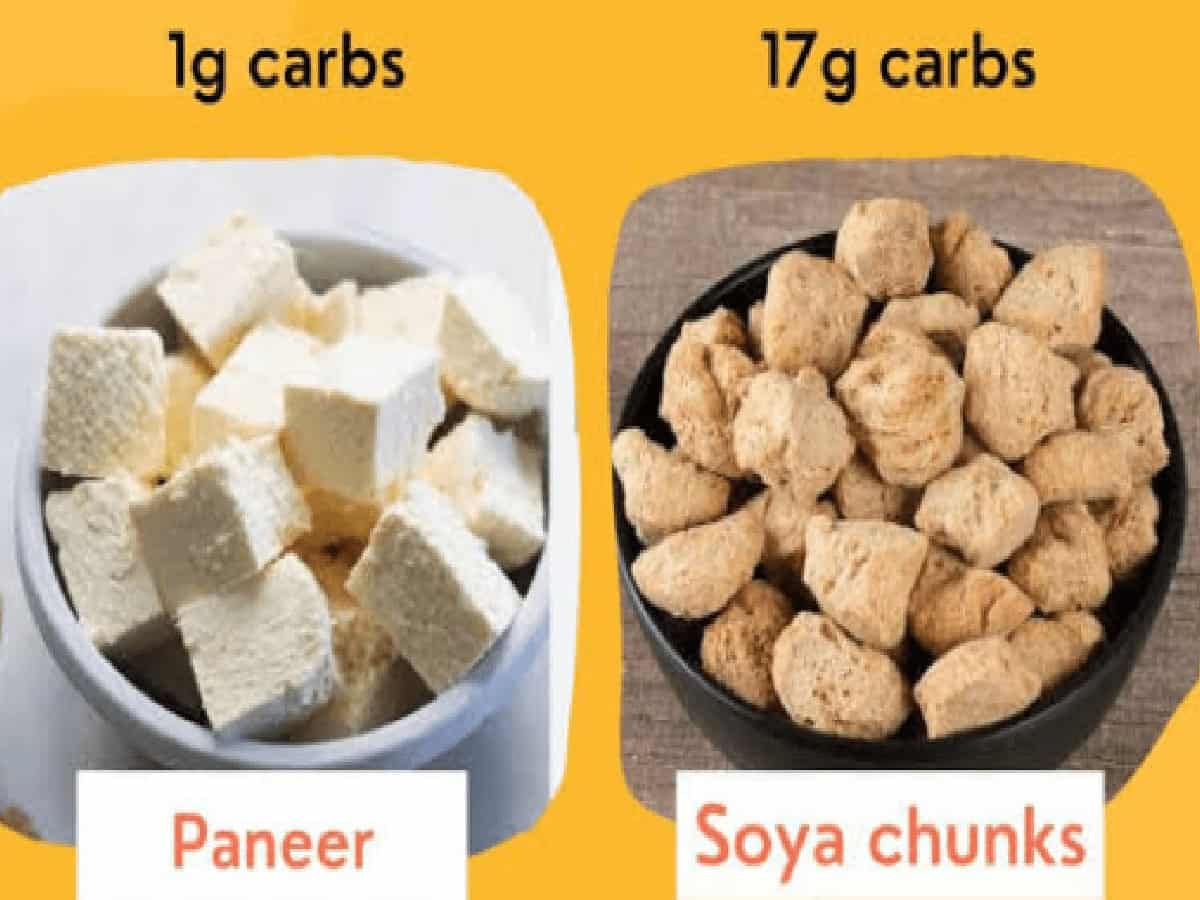
Paneer vs. Soya: Which Protein Source Wins, Discover Nutritional Differences
When it comes to fulfilling daily protein requirements on a vegetarian diet, paneer (cottage cheese) and soya (soy chunks/beans) stand out as two of the most popular and accessible choices. Whether your fitness journey focuses on shedding extra kilos, managing weight, or building lean muscle mass, both foods play a vital role in Indian households. However, they possess distinct nutritional profiles, digestion patterns, and health impacts. Let's dive into a detailed comparison of a bowl of paneer versus a bowl of soya to see which one comes out on top for your specific lifestyle goals.
Nutritional Benefits of Paneer (Cottage Cheese)
Paneer is derived from milk and is widely celebrated as a powerhouse of dairy-based nutrition:
-
High-Quality Protein & Micronutrients: Paneer provides complete protein alongside essential minerals like calcium, phosphorus, and vitamin B12.
-
Bone and Dental Health: Due to its high calcium and phosphorus content, paneer actively strengthens bones and teeth.
-
Muscle Growth and Satiety: It supports muscle repair and recovery for those who exercise regularly, while its healthy fat content keeps you feeling full for longer, preventing unnecessary snacking.
Nutritional Benefits of Soya (Soy Chunks)
Soya is a stellar plant-based protein source that offers unique dietary advantages:
-
Plant-Based Powerhouse: Soya is exceptionally rich in protein while being relatively low in calories and fat, making it a favorite for weight-conscious individuals.
-
Fiber and Iron: Unlike dairy, soya contains dietary fiber, iron, and several essential amino acids that improve digestion and support heart health.
-
Versatility in Weight Management: Soya chunks or soya badi help maintain satiety without heavy calorie loads, making them ideal for fat-loss diets.
Key Differences Between Paneer and Soya
While both foods are protein champions, their internal compositions differ significantly:
-
Fat and Fiber Content: Paneer is naturally higher in fats and calories, whereas soya is low in fat and exceptionally high in fiber.
-
Mineral Profile: Paneer excels as a source of calcium and dairy protein, while soya stands out for its iron content and plant-based amino acids.
-
Digestibility: Paneer is generally easy to digest for most people, though those with lactose sensitivities may struggle. Conversely, consuming large quantities of soya can occasionally lead to gas or bloating in sensitive individuals.
Which One Should You Choose for Your Goals?
-
Choose Paneer If: Your primary goals are muscle building, increasing calcium intake, and gaining sustained energy through healthy dairy fats.
-
Choose Soya If: You are focusing on weight management, lowering fat intake, boosting fiber consumption, or following a strict plant-based diet. Moderation is key for both, as overindulging in paneer can spike calorie counts, while excessive soya can challenge digestion.