Neurologist Reveals Common Mistakes and the Exact Rules for 100% Accurate Readings
High blood pressure, often termed the "silent killer," remains one of the most perilous yet insidious public health emergencies across the modern world. According to data published by the World Heart Federation, hypertension stands as the single leading global risk factor for premature mortality, driving nearly 50 percent of all fatalities linked to ischemic heart disease and ischemic stroke. In India alone, figures compiled by the World Health Organisation (WHO) reveal that elevated blood pressure is tied directly to roughly 1.6 million deaths every year, cementing its role as the dominant contributor to non-communicable disease fatalities. Because of this massive clinical toll, millions of households now maintain digital sphygmomanometers to track daily systolic and diastolic metrics. However, an inaccurate reading caused by faulty posture, premature testing, or an improper cuff fit can trigger unwarranted panic or dangerous false reassurance. To set the record straight, Dr. Priyanka Sehrawat—a renowned neurologist and physician holding an MD in Medicine and DM in Neurology from AIIMS New Delhi—has detailed the precise clinical protocol needed to capture medically accurate blood pressure readings at home.
The Mandatory 30-Minute Rest Window: Everyday Activities That Skew Your Numbers
One of the most frequent mistakes made during home monitoring is reaching for the digital cuff immediately after routine daily activities that naturally elevate circulatory pressure:
-
Strenuous Exercise and Walking: Physical movement triggers cardiovascular output and vasoconstriction; checking your blood pressure immediately after a brisk walk or gym workout produces artificially inflated systolic numbers.
-
Consuming Meals: Digesting food redirects systemic blood flow to the splanchnic circulation, temporarily destabilizing baseline blood pressure; patients must allow at least half an hour post-meal before inflating the cuff.
-
Caffeine, Tea, and Nicotine: Caffeinated beverages and tobacco smoking cause acute arterial stiffness and sympathetic nervous spikes; taking a reading without a 30-minute buffer leads to severe false-positive hypertension readings.
-
Alcohol Consumption: Drinking alcoholic beverages creates fluctuating vascular responses that distort baseline vascular tone.
-
The Clinical Golden Rule: Dr. Sehrawat stresses that your circulatory system requires a minimum of 30 minutes of restful stasis following any of these activities before you strap on the monitor.
Left Arm Placement and the Power of the Three-Reading Average
Once your body is rested, the physical method used to take the measurement determines clinical accuracy:
-
Prioritize the Left Arm: Clinical standards dictate that blood pressure is best measured on the left arm, as it sits in closer anatomical proximity to the aorta and central arterial tree, providing a more consistent reflection of systemic vascular pressure.
-
Never Settle for a Single Reading: An isolated measurement can easily be skewed by momentary white-coat nervousness, cuff inflation sensation, or muscle twitches.
-
Calculate the Mean of Three Readings: Dr. Sehrawat strongly advises taking three consecutive readings spaced approximately 1 to 2 minutes apart, then averaging the final results to establish your true resting baseline.
Cuff Position and the Vital 'Two-Finger' Tightness Rule
How the cuff physically interacts with your brachial artery is where most home users inadvertently corrupt their data:
-
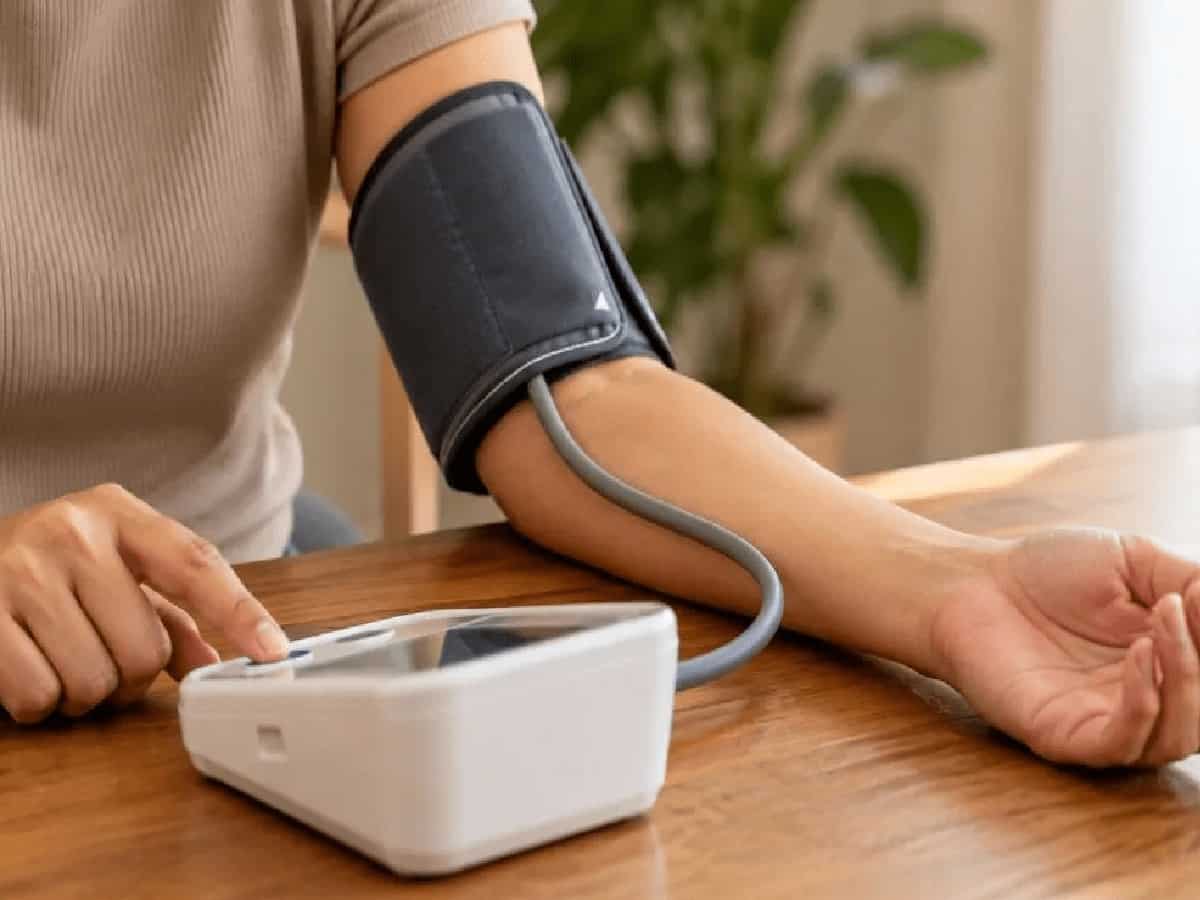
Maintain Exact Heart Level: While whether you sit comfortably in a chair with back support or lie flat on a bed matters little to the machine, the cuff itself must be positioned strictly at heart level; a cuff held too low falsely inflates pressure readings, while a cuff positioned too high underreports numbers.
-
The Two-Finger Tightness Check: A cuff that is too loose fails to compress the artery properly, while an overtight cuff pinches blood vessels prematurely; Dr. Sehrawat advises that the cuff should sit snugly around your bare arm, leaving just enough room to comfortably slip two fingertips beneath the fabric.