







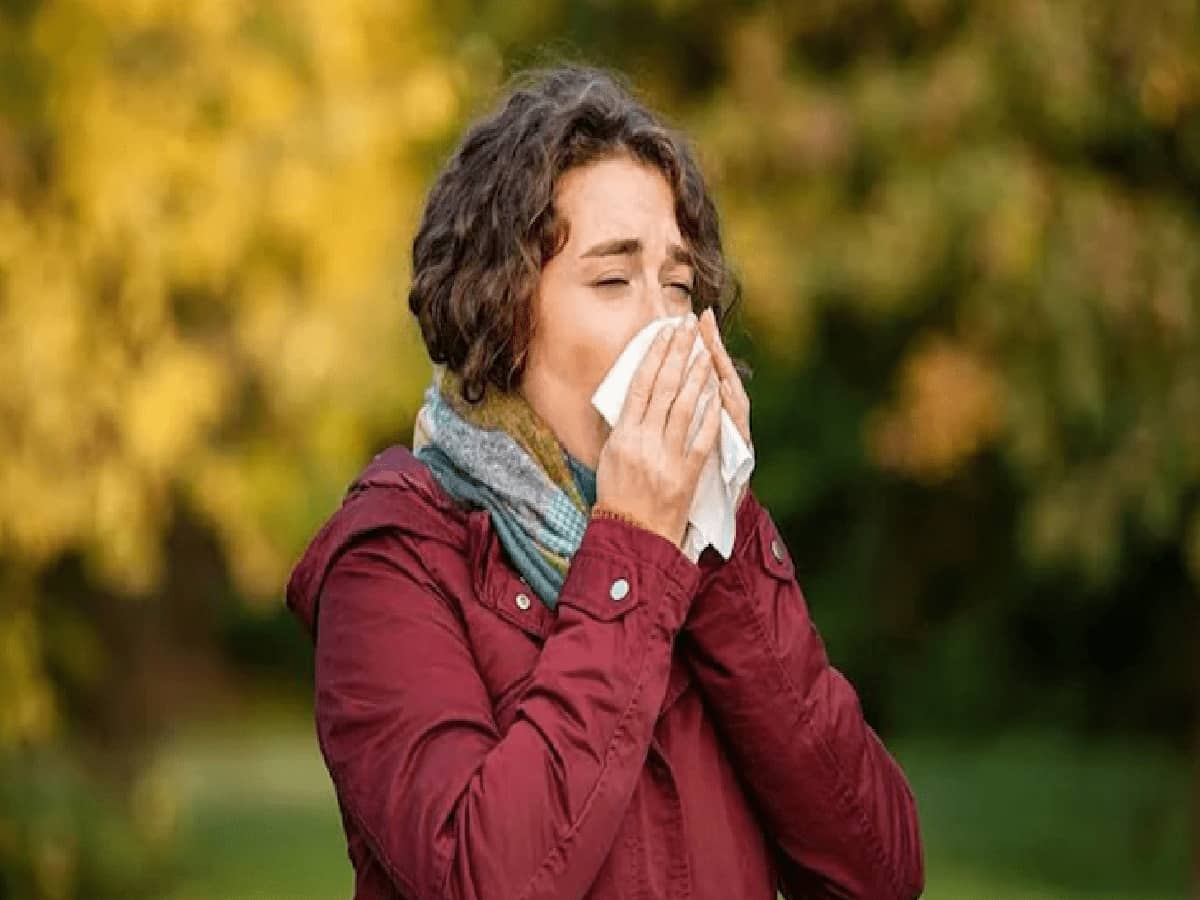
Morning Sneezing and Itchy Eyes in Winter, Not Just a Common Cold
Waking up during chilly winter mornings to sudden bouts of uncontrollable sneezing, watery red eyes, and a blocked nasal passage is an experience many dismiss as a mild, seasonal common cold. However, health specialists warn that brushing off these chronic morning episodes can lead to prolonged respiratory discomfort. Dr. Monica Mahajan, Principal Director and Head of Department (Internal Medicine) at Max Hospital, explains that environmental shifts and changes in daily living patterns during colder months create a prime environment for allergic flare-ups. Understanding the underlying environmental triggers, genetic predispositions, and household irritants is the first step toward reclaiming clear breathing and healthy mornings throughout the winter season.
Smog and Temperature Swings: The Dual Catalysts Behind Winter Flare-Ups
The human body uses sneezing as an instinctive reflex to expel foreign particles from the respiratory tract, but chronic morning irritation often indicates systemic allergic responses driven by seasonal shifts:
-
Spike in Particulate Pollution: Winter atmospheric inversion traps toxic smog close to the ground, significantly increasing the ambient concentration of ultra-fine particulate matter such as PM 2.5. These microscopic particles bypass the body's natural nasal filtration barriers, travelling deep into the respiratory tract and lungs to spark immediate allergic inflammation.
-
Indoor and Outdoor Temperature Gradients: Moving between cold outdoor air and heated indoor spaces stresses the mucous membranes. Heavy reliance on room heaters and radiators dries out the air, irritating delicate nasal linings and making them hypersensitive to airborne allergens.
Hidden Indoor Triggers: Why Your Closed Home Harbors More Allergens
As temperatures drop, people naturally seal windows and spend considerably more time indoors, creating enclosed environments where microscopic allergens thrive undetected:
-
Dust Mites in Bedding: Microscopic dust mites flourish inside thick winter quilts, heavy mattresses, woolen blankets, and upholstered furniture, often causing individuals to wake up with congested sinuses and itchy palates.
-
Dampness and Mold Spores: Poor indoor ventilation combined with winter dampness allows mold and mildew to develop on bathroom walls, cold window sills, and unventilated corners, releasing airborne spores that provoke wheezing and watery eyes.
-
Pest and Insect Residues: Closed indoor environments allow dried droppings and microscopic debris from pests like cockroaches to circulate in household dust, triggering significant allergic reactions.
Genetic Vulnerability and Pet Dander: Who Faces the Highest Risk?
Winter allergies do not impact everyone equally, as underlying physiological and biological sensitivities dictate individual symptom severity:
-
Elevated Biomarkers and Atopy: Individuals who naturally possess higher baseline serum Immunoglobulin E (IgE) or elevated absolute eosinophil counts face a significantly heightened vulnerability to allergic rhinitis, sinusitis, and bronchial asthma.
-
Hereditary Transmission: An underlying allergic predisposition often runs in families, passing down genetically from parents to children and requiring proactive precautions ahead of seasonal weather transitions.
-
Pet Dander Complications: Sharing bedrooms or sleeping quarters with domestic dogs or cats can intensify symptoms. Shed fur, dried saliva proteins, and microscopic dead skin flakes (dander) settle onto bed linen, causing persistent nocturnal coughing and stubborn nasal blockages.
Practical Prevention: How to Safeguard Your Home and Lungs This Winter
Minimizing allergen exposure requires maintaining disciplined indoor hygiene and supporting personal immune resilience:
-
Eliminate Dust Reservoirs: Regularly vacuum carpets, sofas, and hard floors using appliances fitted with HEPA filters. Discard long-stored cardboard boxes, old newspapers, and clutter that act as prime dust magnets.
-
Deep Clean Fabrics: Launder curtains, sofa covers, and bed linens frequently in hot water to eliminate embedded dust mites and allergen build-up.
-
Remediate Dampness Quickly: Inspect living quarters for wall dampness or visible mold patches, treating affected areas immediately with appropriate anti-fungal cleaners.
-
Maintain Heating and Air Filters: Frequently clean, sanitize, and replace filters in domestic air purifiers, humidifiers, and blowers to prevent the recirculation of trapped contaminants.
-
Vaccination and Balanced Nutrition: Protect respiratory health by speaking with your physician regarding seasonal influenza and pneumococcal vaccines, while maintaining a nutrient-dense, antioxidant-rich diet to support baseline immunity.




