







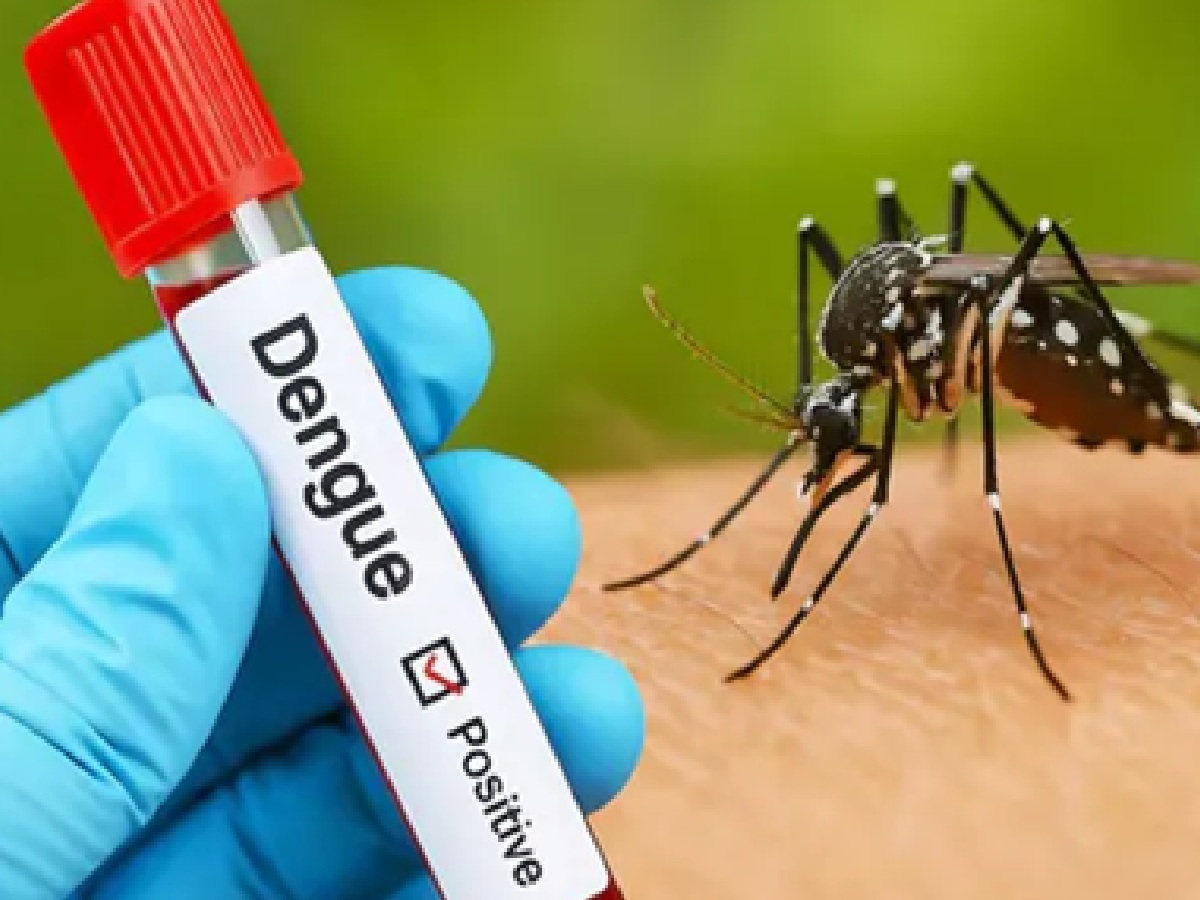
Monsoon Dengue Alert: Watch Out for These 5 Serious Warning Signs and Essential Prevention Steps
The monsoon season brings a welcome break from intense summer heat, but it also creates ideal conditions for vector-borne diseases like dengue and malaria to flourish. Hospitals across urban centers routinely witness a sharp spike in patients complaining of sudden high fevers, severe headaches, vomiting, and debilitating body aches during this time. Driven by rampant waterlogging and accumulated filth in residential areas, Aedes mosquito breeding hotspots have multiplied rapidly. According to World Health Organization (WHO) data, global dengue cases have surged significantly over the past decades, placing nearly half the world’s population at risk. Understanding how the virus spreads, recognizing severe warning signs early, and practicing meticulous prevention are essential to staying safe this rainy season.
How Dengue Spreads and Why Monsoon Increases Risk
Dengue is a viral infection transmitted primarily through the bite of an infected female Aedes aegypti mosquito. These mosquitoes thrive in warm, humid weather and breed rapidly in stagnant water found in coolers, flowerpots, discarded tires, and clogged drains. Unlike contact-based illnesses, dengue does not spread from person to person through touch or shared food; instead, a mosquito contracts the virus by biting an infected individual and passes it on to others. Because Aedes mosquitoes are predominantly daytime biters—with peak activity in the early morning and afternoon—maintaining continuous daytime mosquito protection is critical for every household.
5 Critical Early Symptoms of Dengue Fever
While some individuals experience mild symptoms or asymptomatic cases that resolve with rest and hydration, others face rapid health deterioration. Early indicators of dengue typically include:
-
Sudden High Fever: A rapid onset of a high-grade fever that often spikes unexpectedly.
-
Severe Headaches: Intense, persistent head pain that makes normal daily functioning difficult.
-
Eye Pain Behind the Sockets: Distinct discomfort or sharp pain located behind the eyes, especially when moving them.
-
Intense Muscle, Bone, and Joint Pain: Often colloquially referred to as "breakbone fever" due to the severity of body aches.
-
Extreme Fatigue and Nausea: Overwhelming physical weakness, exhaustion, and frequent feelings of nausea.
Red-Flag Symptoms: When to Seek Emergency Medical Care
In severe cases, dengue can progress into dangerous complications requiring immediate hospitalization. Patients, caregivers, and families must watch out for critical warning signs that demand urgent medical intervention, including severe abdominal pain, persistent vomiting, bleeding from the nose or gums, blood in vomit or stool, sudden breathing difficulties, drastically reduced urine output, and skin that feels pale, cold, or clammy. If these severe manifestations appear, prompt clinical evaluation and fluid management can prevent life-threatening shock.
Essential Prevention Tips and Home Safety Measures
Protecting your family from dengue requires a dual approach focused on personal protection and eliminating local mosquito breeding grounds. Always wear light-colored, loose-fitting clothing that fully covers your arms and legs, and apply trusted mosquito repellents. Conduct weekly checks around your home to empty, scrub, and dry stagnant water collections in flowerpot trays, air coolers, pet bowls, and discarded containers, as mosquito eggs stick firmly to inner walls. Install window mesh screens, keep doors closed during peak mosquito hours, and utilize mosquito nets, particularly for children, the elderly, and recovering patients. If infection symptoms strike, consult a physician immediately, stay well-hydrated with oral rehydration solutions and soups, use paracetamol strictly for fever management as advised by a doctor, and avoid self-medicating with aspirin, ibuprofen, or random antibiotics, which can provoke severe bleeding complications.