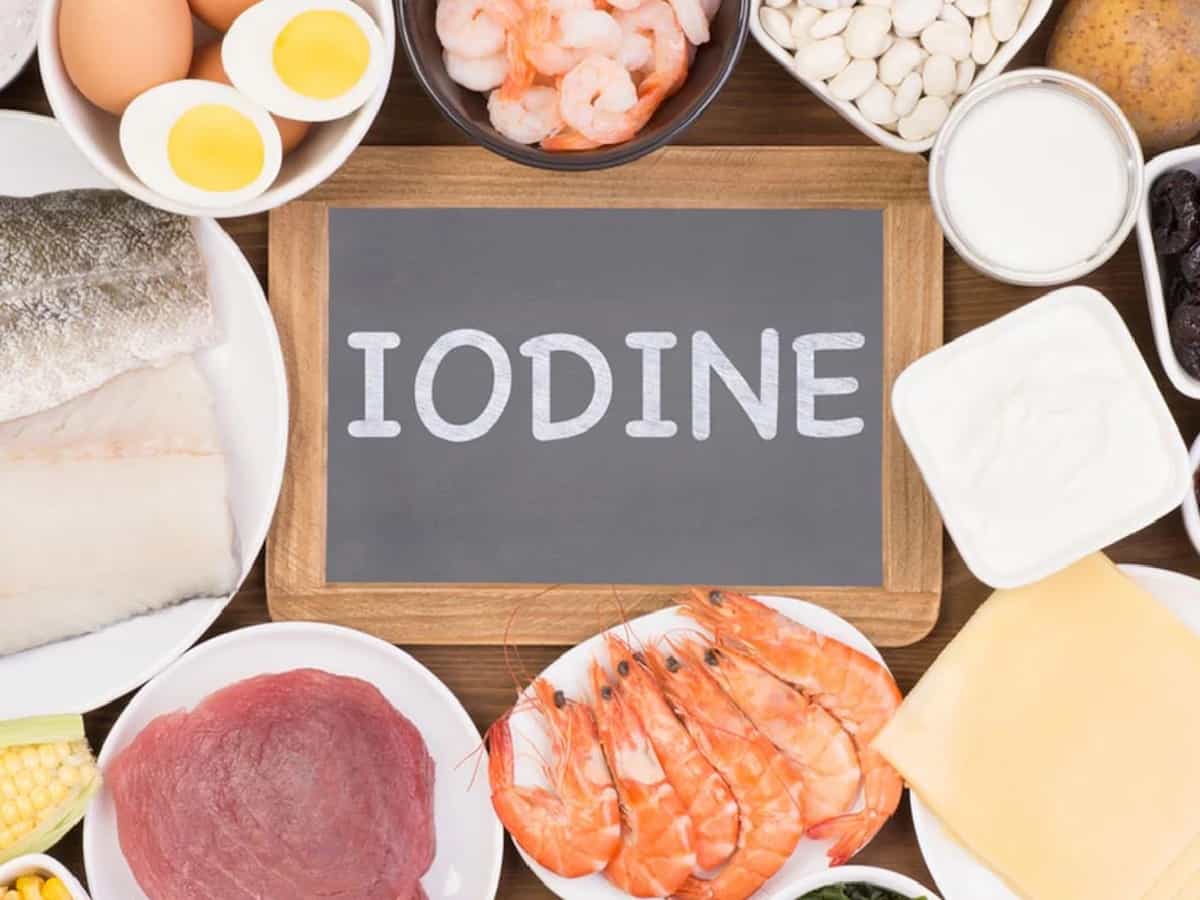
Iodine Deficiency and Thyroid Health: Are You Deficient, Include These 4 Essential Foods in Your Daily Diet
Maintaining optimal nutritional balance is vital for overall well-being, yet many individuals unknowingly suffer from micronutrient gaps that impact vital metabolic functions. Among the most critical yet frequently overlooked minerals is iodine. Although required by the human body in relatively small quantities, iodine plays an indispensable role in maintaining systemic health. According to leading health institutions like the Cleveland Clinic, a prolonged deficiency in iodine can manifest in various ways, most notably causing the thyroid gland in the neck to enlarge, a condition commonly known as a goiter. Ensuring adequate daily intake is crucial for preventing fatigue, unexplained weight gain, and developmental delays, making dietary awareness essential for long-term health.
Why Iodine Is Crucial for Thyroid Function and Metabolism
The primary biological responsibility of iodine is to enable the thyroid gland to produce essential thyroid hormones. These powerful hormones dictate the body's metabolic rate, govern energy levels, and regulate normal cellular growth and development.
Iodine is particularly critical during early childhood and pregnancy, where sufficient levels support optimal brain development, learning capabilities, and healthy fetal growth. Without adequate iodine, diminished thyroid hormone production can lead to chronic fatigue, sluggish metabolism, cold intolerance, concentration difficulties, and memory issues.
Top 4 Dietary Sources to Combat Iodine Deficiency
Incorporating the right foods into your daily meal plan can easily prevent deficiency and ensure your body receives the necessary micronutrients. Health experts recommend focusing on these four key dietary sources:
-
Iodized Salt: The simplest and most accessible way to secure adequate iodine is by replacing regular, uniodized salt with iodized salt in daily cooking. However, because excessive sodium intake poses other health risks, the focus should be on choosing the right type of salt rather than simply increasing overall consumption.
-
Seafood and Seaweed: Marine foods are naturally rich reservoirs of iodine. Seaweed, saltwater fish, and various seafood options provide high concentrations of the mineral and can be easily integrated into your diet based on personal preferences and availability.
-
Dairy Products and Milk: Milk, yogurt, cheese, and other dairy items are excellent sources of dietary iodine. Incorporating these into a balanced daily menu supports both mineral intake and bone health.
-
Eggs and Potatoes: Eggs serve as a dual powerhouse, supplying both high-quality protein and valuable iodine. Additionally, potatoes—particularly when consumed with their skins—contain trace amounts of iodine, contributing to a diverse and balanced nutritional intake.
Proper Storage of Iodized Salt and Managing Goitrogenic Foods
Getting enough iodine through salt requires proper storage, as moisture, high heat, and prolonged exposure to light can degrade the mineral. Salt should always be stored in a dry, tightly sealed container rather than left open. Furthermore, adding salt toward the end of the cooking process rather than at the very beginning helps preserve its iodine content effectively.
It is also important to be mindful of certain foods known as goitrogens, which can interfere with thyroid function if consumed in excess. Common examples include cabbage, cauliflower, and soybeans. These foods do not need to be entirely eliminated from a normal diet, but individuals struggling with severe iodine deficiency should consult a medical professional or nutritionist for personalized dietary guidance.