







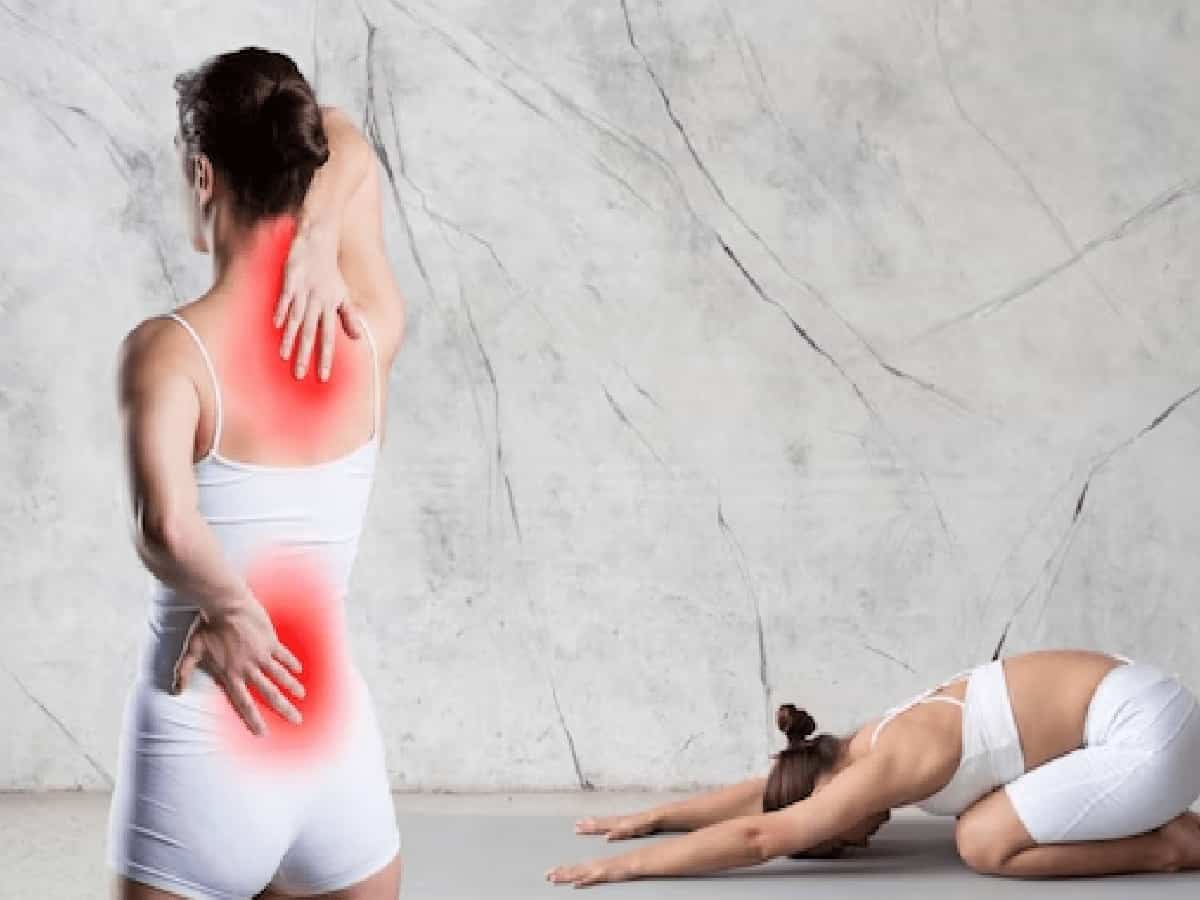
How Practicing Shashakasana Daily Relieves Spine Tension
In today's relentless corporate grind and sedentary lifestyle, debilitating conditions like chronic lower back pain, neck stiffness, physical exhaustion, and mental anxiety have become widespread across age groups. Prolonged sitting at computer desks, poor ergonomic posture, minimal physical movement, and uninterrupted cognitive stress place enormous mechanical strain on the human spine. Instead of immediately relying on chemical painkillers and muscle relaxants, yoga therapists recommend integrating gentle restorative postures into daily home routines. Among the most effective poses for spinal decompression and mental restoration is Shashakasana—also widely celebrated as the Rabbit Pose—an accessible asana specifically designed to stretch back muscles, release trapped musculoskeletal tension, and calm the autonomic nervous system.
What Is Shashakasana? Meaning and Significance of the Restorative Rabbit Pose
Rooted in classical Hatha yoga traditions, Shashakasana derives its nomenclature from ancient Sanskrit terminology:
-
Etymology of the Asana: The name originates from two Sanskrit root words—Shashaka, translating directly to "rabbit" or "hare," and Asana, meaning "physical posture" or "seat."
-
Biological Resemblance: In the final expression of this posture, the rounded curve of the spine, tucked head, and elongated arms naturally replicate the resting silhouette of a rabbit.
-
Focus on Restorative Respiration: Practiced primarily as a counter-stretch and meditative rest posture, Shashakasana shifts the practitioner's awareness away from external stressors toward mindful breathing, soothing the brain's overstimulated nervous pathways.
Key Health Benefits: Relieving Back Stiffness, Decompressing Shoulders, and Calming Anxiety
Consistent, daily practice of the Rabbit Pose delivers targeted physiological and psychological advantages:
-
Natural Spinal Decompression: Bending forward gently separates the vertebrae, elongating the spinal column and easing chronic compression along the lumbar and thoracic regions caused by endless desk hours.
-
Releasing Shoulder and Upper Back Knots: The forward extension of the arms stretches the trapezius, latissimus dorsi, and posterior shoulder girdles, eliminating muscular tightness and restoring upper-body flexibility.
-
Calming Mental Overdrive: Resting the forehead toward the earth triggers the parasympathetic nervous system, slowing heart rates, lowering cortisol spikes, and providing rapid relief from workplace fatigue and insomnia.
-
Promoting Abdominal Circulation: The gentle compression against the thighs massages internal digestive organs, assisting gut motility and relieving sluggish metabolism.
Step-by-Step Guide: The Correct Technique to Practice Shashakasana at Home
Executing the posture with precise biomechanical alignment is vital to reap full therapeutic benefits while avoiding neck or joint strain:
-
Initial Seated Setup: Begin by sitting comfortably in Vajrasana (Thunderbolt Pose) on a non-slip yoga mat, ensuring your spine remains upright, shoulders relaxed, and palms resting gently on your thighs.
-
Knee Alignment: Slightly separate your knees outward to create ample space for your torso to descend, keeping your big toes together behind you.
-
Inhale and Position Hands: Take a deep, deliberate breath in, engaging your core, and place both hands flat on the floor directly in front of your knees.
-
Exhale and Lengthen Torso: As you exhale slowly and smoothly, walk your hands forward and bend your upper body down from the hips, gradually bringing your forehead toward the mat without forcing or straining the cervical spine.
-
Hold and Breathe: Extend your arms forward along the floor, keep your palms grounded, and maintain steady, natural nasal breathing; hold this soothing stretch for 10 to 20 seconds initially.
-
Gentle Return: Slowly inhale, walk your hands back, lift your torso vertebra by vertebra, and return smoothly to the upright Vajrasana position; repeat for 3 to 5 gentle cycles based on individual comfort.
Crucial Safety Precautions: Who Should Exercise Caution or Avoid This Pose?
While Shashakasana is generally gentle and restorative, specific clinical conditions require medical consultation or structural modification:
-
Severe Spinal and Disc Pathologies: Individuals diagnosed with acute herniated discs, severe sciatica flares, or debilitating spinal trauma should avoid unguided deep forward bends.
-
Cervical and Knee Injuries: Those recovering from acute neck sprains, recent knee surgeries, or severe ligament tears must refrain from bearing weight on bent joints without supportive props like bolsters.
-
Hypertension and Hernia Concerns: Patients dealing with unmanaged high blood pressure, vertigo, or abdominal hernias should perform the posture only under the direct supervision of a certified yoga therapist.
-
Pregnancy Considerations: Expectant mothers must avoid compressing the abdomen and should consult prenatal specialists for open-knee restorative variations.




