







Gastroenterologist Decodes Liver Risks, Normal Range, and Causes
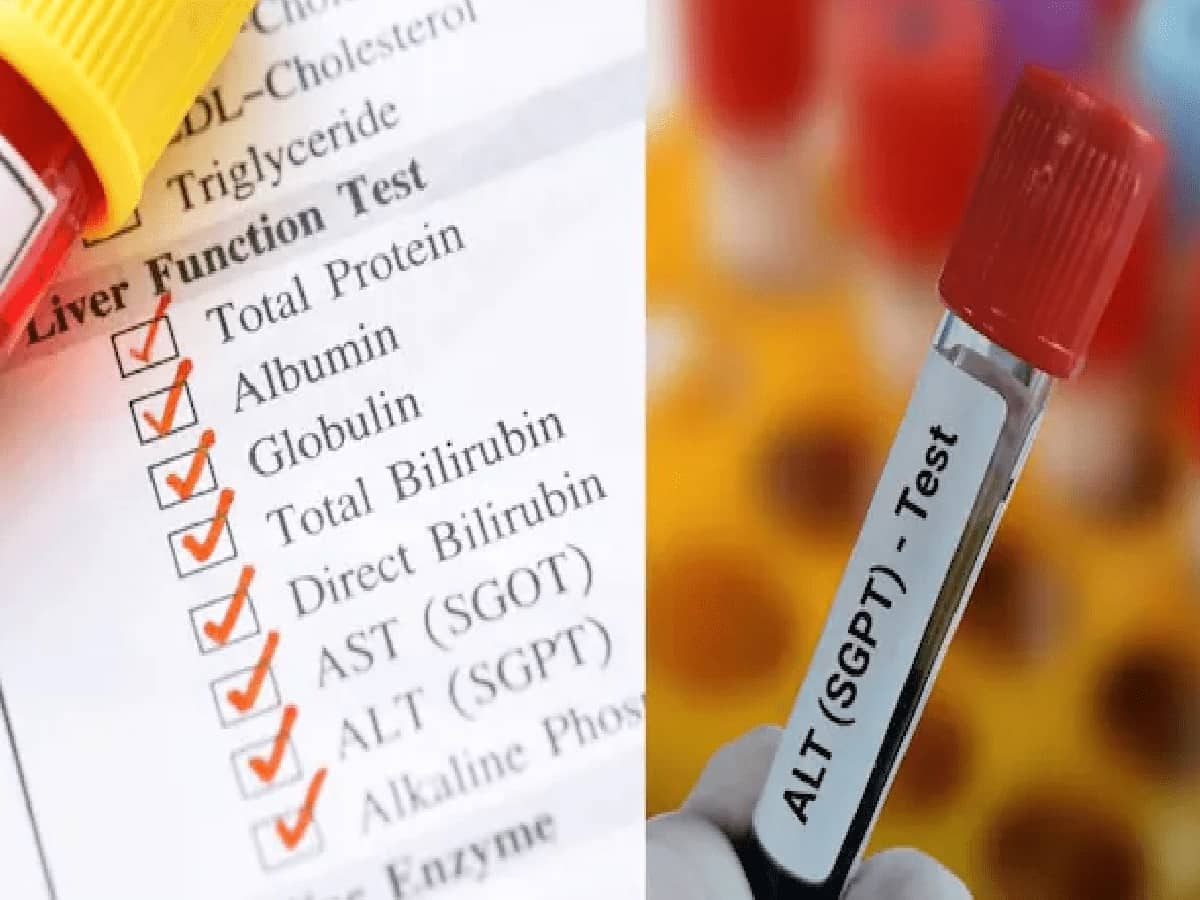
Routine preventive health screenings play a vital role in identifying internal metabolic imbalances before clinical complications develop, with the Liver Function Test (LFT) serving as the frontline window into hepatobiliary health. For many individuals reviewing their diagnostic panels, medical abbreviations like SGPT and SGOT can create significant anxiety when flagged in red. According to Dr. Vibhu Mittal, Senior Director of Gastroenterology at Max Super Speciality Hospital, Patparganj, elevated levels of these essential metabolic enzymes often signal underlying liver inflammation, metabolic-associated fatty liver disease, or cellular stress, though mild spikes do not automatically signify irreversible liver disease.
What Are SGPT and SGOT? Understanding Normal Reference Ranges
Serum Glutamic Pyruvic Transaminase (SGPT), clinically referred to as Alanine Aminotransferase (ALT), and Serum Glutamic Oxaloacetic Transaminase (SGOT), known as Aspartate Aminotransferase (AST), are specialized intracellular enzymes primarily concentrated inside liver parenchymal cells:
-
Enzyme Distribution and Function: While ALT (SGPT) is found almost exclusively inside hepatocytes, making it a highly specific biomarker for liver injury, AST (SGOT) is also present in cardiac tissue, skeletal muscles, and kidneys.
-
Standard Reference Limits: Under typical clinical diagnostic parameters, normal SGPT (ALT) levels range between 7 and 56 Units per Liter (U/L), while normal SGOT (AST) typically spans between 10 and 40 U/L.
-
Laboratory Variations: Diagnostic reference thresholds fluctuate slightly based on specific laboratory calibration standards, testing reagents, age, and biological sex, making the specific range printed on your pathology report the primary benchmark.
Why Do Liver Enzymes Spike? From Fatty Liver to Muscle Exertion
An elevation in circulating AST and ALT indicates that cell membranes inside the liver or muscle tissues have experienced disruption, allowing enzymes to leak directly into the bloodstream:
-
Metabolic and Dietary Drivers: Non-alcoholic fatty liver disease (NAFLD), triggered by visceral obesity, insulin resistance, type 2 diabetes mellitus, and hyperlipidemia, represents the leading driver of enzyme elevation.
-
Alcohol Consumption and Medications: Chronic or heavy alcohol intake places heavy metabolic stress on liver tissues, while certain hepatotoxic pharmaceutical drugs and unverified over-the-counter supplements can trigger acute enzyme surges.
-
Infectious and Viral Causes: Viral hepatitis strains (such as Hepatitis B and C) induce acute or chronic hepatocellular inflammation that pushes transaminase levels well above baseline.
-
Non-Hepatic Factors for SGOT: Because AST is present in skeletal muscles, acute muscle trauma, intense resistance training, or extreme athletic exertion can cause temporary SGOT elevations without any underlying liver damage.
Warning Signs of Liver Inflammation: Silent Spikes vs Clinical Symptoms
A significant proportion of patients with moderately elevated SGPT and SGOT experience no noticeable discomfort, which is why fatty liver is frequently termed a silent metabolic disorder:
-
Asymptomatic Presentation: Mild to moderate elevations are frequently uncovered during routine corporate or insurance health checkups while the individual feels completely healthy.
-
Early Non-Specific Warning Signals: When symptoms do manifest, they typically present as persistent unexplained fatigue, loss of appetite, mild nausea, chronic daytime weakness, and a dull ache or sensation of fullness in the right upper abdomen.
-
Advanced Signs Requiring Urgent Care: Jaundice characterized by the yellowing of the sclera and skin, abnormally dark urine, and pale stools indicate compromised bile flow and significant hepatic dysfunction.
Long-Term Risks, Diagnosis, and Recovery: How to Normalize Liver Enzymes
Uncontrolled, prolonged liver inflammation poses cumulative structural risks to hepatic tissue:
-
Progression of Liver Disease: Sustained, unaddressed transaminase elevation over months or years can cause persistent hepatic inflammation, leading to progressive fibrosis, cirrhosis, and potential liver failure.
-
Further Diagnostic Workup: When an LFT reveals abnormal readings, gastroenterologists often recommend a follow-up ultrasound of the abdomen, viral hepatitis serology markers, and a repeat liver panel after a dedicated interval.
-
Targeted Lifestyle Modifications: Reversing early fatty liver and normalizing transaminases involves adopting a nutrient-dense whole-food diet, cutting out alcohol completely, engaging in regular physical exercise, and achieving gradual, sustainable weight loss.
-
Medication Oversight: Never discontinue or initiate prescription medications without formal consultation with a treating physician or gastroenterologist.




