







FSSAI Crackdown: Major Brands Fail Safety Tests on Supplements & Shilajit
For millions of health-conscious consumers across India, the daily routine of swallowing vitamin capsules, herbal syrups, immune-boosting tonics, and traditional health supplements like Shilajit is viewed as an investment in long-term wellness. Shelves in pharmacies and online marketplaces overflow with promises of vitality, enhanced immunity, and targeted relief from joint pain. However, a sweeping regulatory investigation by India's apex food safety watchdog has revealed a startling and unsettling reality behind the booming wellness industry.
Recent nationwide inspections conducted by the Food Safety and Standards Authority of India (FSSAI) have uncovered widespread, serious violations among numerous nutraceutical and herbal manufacturing companies. From dangerous overdoses of essential vitamins to the shocking use of expired raw materials, unapproved additives, and outright misleading therapeutic claims, the findings highlight a critical breakdown in quality control that directly threatens public health.
Uncovering the Findings: Overdoses, Expired Ingredients, and Misleading Claims
The FSSAI's rigorous market surveillance and laboratory testing protocols have zeroed in on several prominent manufacturing units, resulting in swift punitive actions, including license suspensions and mandatory product recalls. The regulatory authority has reiterated a zero-tolerance policy toward any manufacturer compromising consumer safety for commercial gain.
Laboratory analyses of various market samples laid bare a troubling pattern of non-compliance across multiple categories:
-
Airan Herbals: Testing on products such as Lycowey Syrup revealed that concentrations of key micronutrients—including thiamine (Vitamin B1), Vitamin E, copper, selenium, and zinc—substantially exceeded legally established safety thresholds. Furthermore, their Maxford Knee Relief product made aggressive, unverified therapeutic claims regarding joint pain relief while simultaneously packing excessive thiamine and omitting proper herbal ingredient disclosures mandated by law.
-
Aquabliss Lifesciences: Factory inspections revealed severe lapses in manufacturing hygiene. Investigators discovered that the facility was actively utilizing expired raw materials, coupled with unsatisfactory sanitation and cleanliness standards across production floors.
-
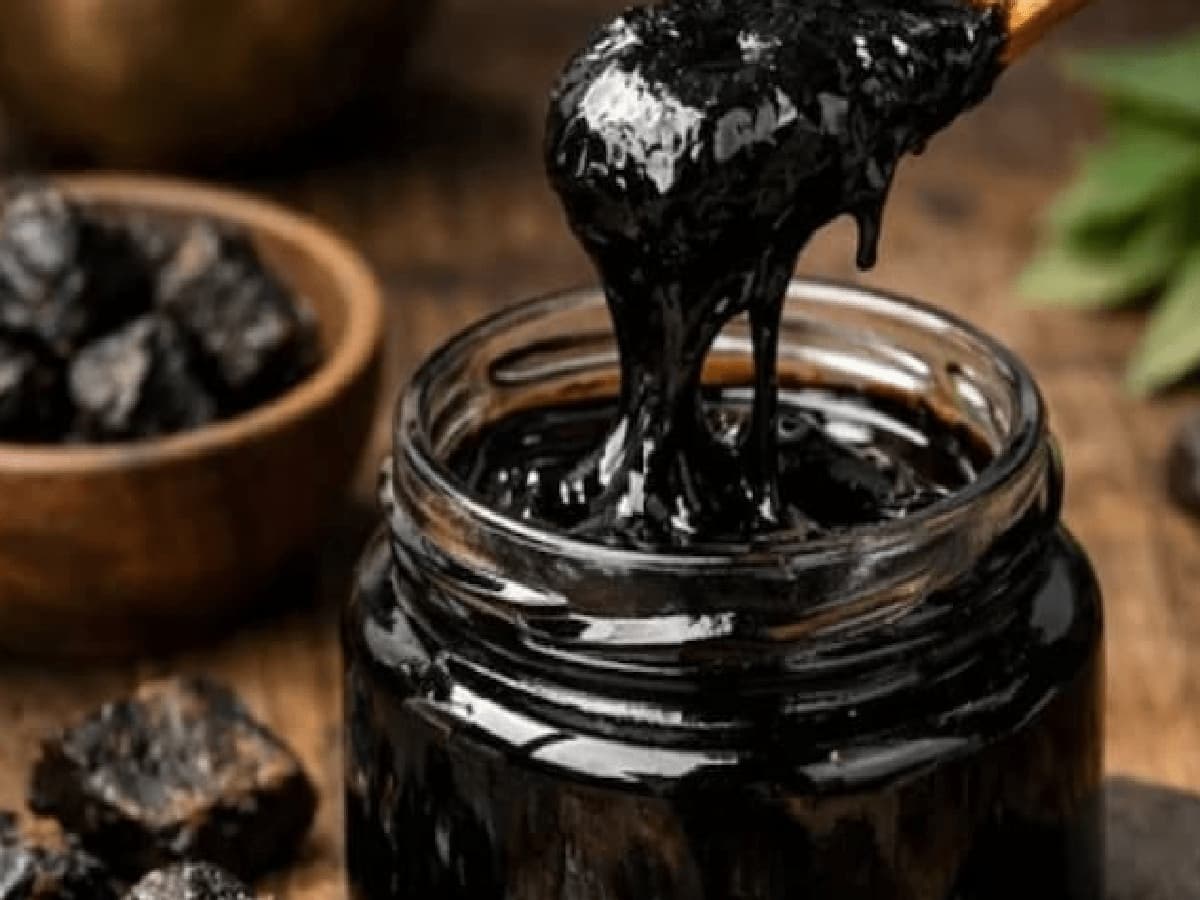
Ruskam Healthcare Private Limited: Regulatory checks found that the company was incorporating Shilajit into formulations where its use was legally unapproved. Additionally, auditors noted systemic failures in maintaining mandatory production records and regulatory documentation.
-
Supercure Biotech Pvt. Ltd.: Laboratory tests on Gemkolin 9G capsules detected a biotin concentration of 100 micrograms, whereas the strict regulatory maximum permissible limit is set at 40 micrograms. In another misleading practice, the company marketed wheat germ oil capsules under the guise of Vitamin E, while omitting essential food additive listings on product labels. Most alarmingly, microbiological testing of their Superbiotic capsules detected the presence of unpermitted bacterial strains, posing direct infection risks to consumers.
-
Ambico Ayurvedic Healthcare: Facility inspections uncovered deplorable sanitary conditions within the manufacturing plant, alongside the routine use of expired raw ingredients in the formulation of commercial nutraceutical products.
-
Vedanta Remedies Private Limited: Auditors found extensive infrastructural and operational deficiencies. The plant was utilizing expired ingredients to manufacture artificial flavorings, including cardamom and strawberry extracts, while lacking adequate testing laboratories and hygiene protocols.
The Regulatory Stance: Protecting Public Health From Unregulated Products
The nutraceutical and dietary supplement sector in India has experienced exponential growth over recent years, fueled by rising health awareness and aggressive digital marketing. However, regulatory oversight has historically struggled to keep pace with the sheer volume of new market entrants.
The FSSAI has emphasized that dietary supplements, while often marketed as natural or harmless, exert powerful biochemical effects on the human body. When manufacturing facilities operate under unhygienic conditions, mislabel active ingredients, or overdose vitamins and minerals, the consequences can range from mild gastrointestinal distress and nutrient toxicity to severe organ strain and systemic infections.
The regulator has made it clear that strict legal actions, financial penalties, and license revocations will continue unabated against any enterprise that circumvents food safety standards. Consumers are urged to purchase only from licensed, reputable manufacturers and to remain skeptical of exaggerated medical claims made by over-the-counter wellness products.




