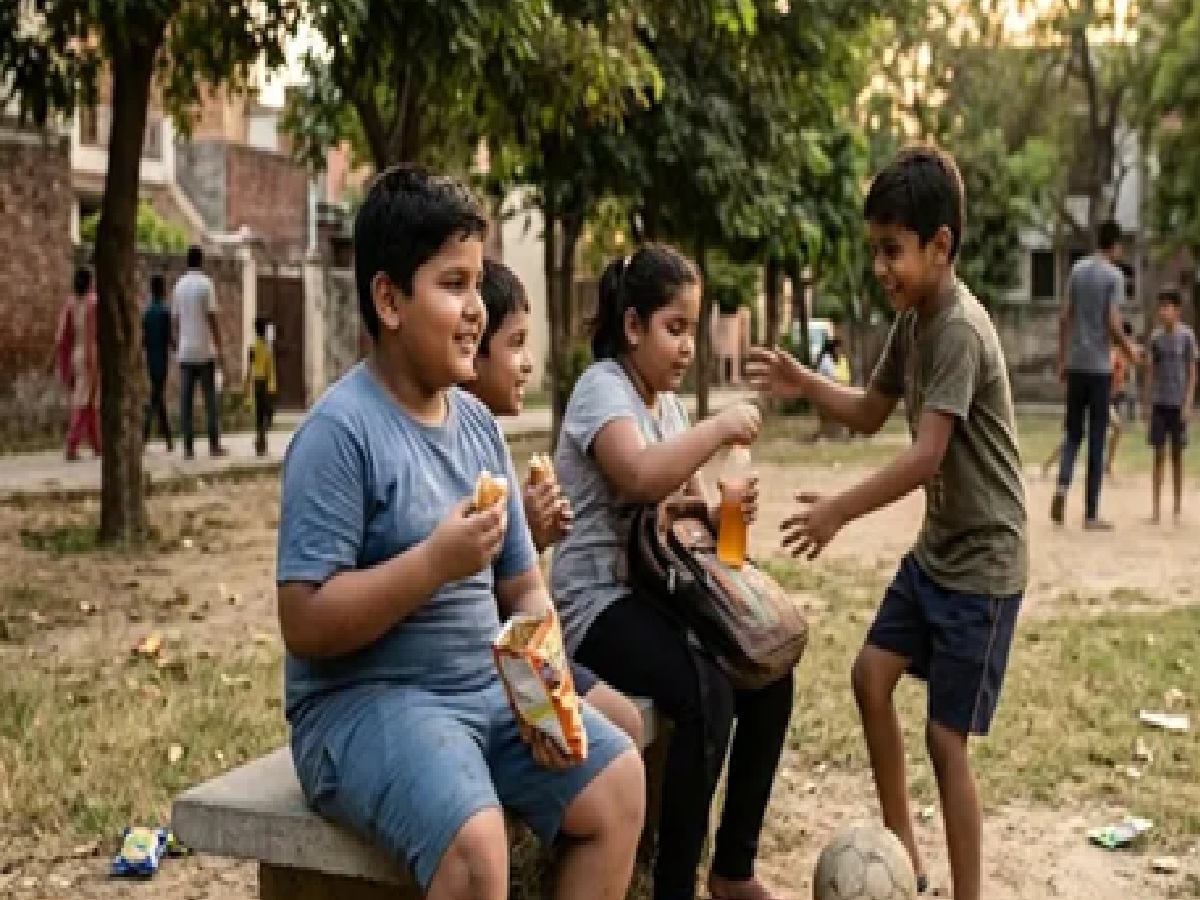
From Malnutrition to Obesity: The Hidden Health Crisis Facing India’s Children
For decades, the primary battle for India’s health officials was eradicating childhood malnutrition. While government initiatives have achieved commendable success in reducing stunting and underweight cases, a new, more insidious threat is emerging: childhood obesity. A groundbreaking study by Christian Medical College (CMC) Vellore and the Tata Institute of Fundamental Research (TIFR) has revealed that Indian children are rapidly transitioning from thinness in early childhood to alarming obesity rates just years later, creating a dangerous "double burden" of malnutrition.
The Rapid Shift in Body Mass Index
The study, published in The Lancet Regional Health - South East Asia, tracked the growth trajectories of children and identified a concerning trend. While many children maintained a healthy Body Mass Index (BMI) during their first five years, the metrics shifted drastically as they entered school age. Data showed that while 26% of children were classified as thin at age 7, obesity rates among the same cohort tripled to 14.6% by the age of 9. This rapid weight gain suggests that once children overcome early nutritional deficits, they are being thrust into environments that promote unhealthy weight gain rather than sustainable, healthy growth.
Successes in Reducing Malnutrition
Government efforts to tackle the country's historic struggle with malnutrition have yielded clear, positive results. Recent data from the national Nutrition Tracker, monitoring roughly 6.3 million children, highlights significant progress:
-
Stunting: Rates have dropped from 38% in 2023 to 30% in 2026.
-
Underweight Cases: Numbers have declined from 18% to 12% over the same period.
-
Acute Malnutrition: Severe cases have halved, falling from 7% in 2023 to 3% in 2026. Despite these victories, global indices still show that roughly 30% of Indian children under five suffer from stunting, and 17.3% experience low weight for their height, indicating that the battle against traditional malnutrition is not yet won.
The Culprit: Unhealthy Diets and Sedentary Lifestyles
The research suggests that the current obesity crisis is not necessarily a result of "too much" food, but rather the "wrong kind" of food. The proliferation of ultra-processed foods, high in sugar and unhealthy fats, has made poor nutrition quality the primary hurdle for modern Indian parents. When combined with a lack of structured physical activity, these dietary habits are fueling a spike in childhood obesity that threatens the long-term health of the next generation. Experts argue that the focus of nutritional policy must now evolve: moving beyond just providing calories to ensuring the quality of those calories and promoting active, movement-based lifestyles for children.