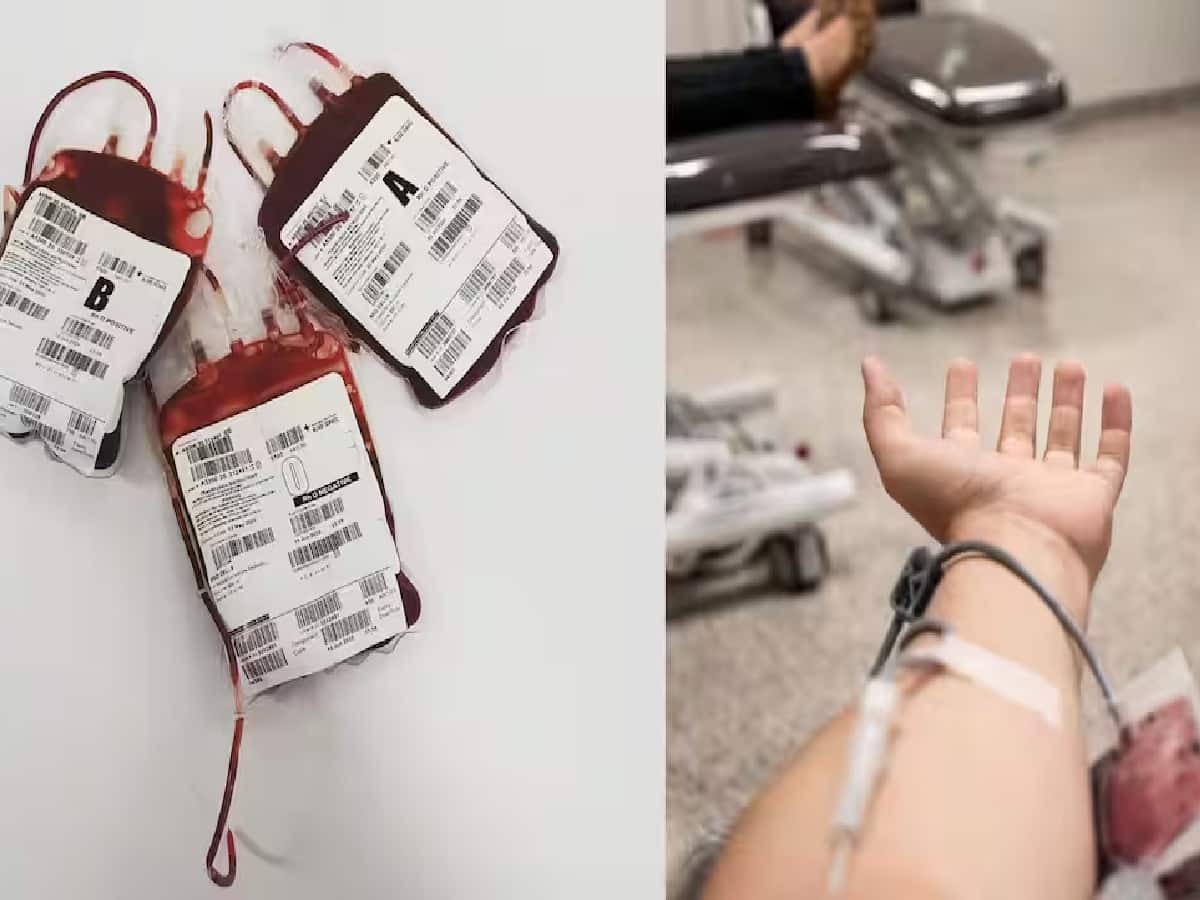
Does Donated Blood Expire, Understanding the Shelf Life and Storage of Life-Saving Blood Components
Donating blood is one of the most profound acts of altruism, saving countless lives every single day. However, a common question often arises among donors and recipients alike: does donated blood remain usable forever, or does it have a strict expiration date? Much like perishable medical resources, stored blood components have a limited shelf life. Blood banks maintain stringent temperature controls and meticulous tracking systems to ensure that every unit administered to a patient is entirely safe, potent, and effective.
Shelf Life Varies by Blood Component
Whole blood and its individual components do not all expire at the same rate. Depending on the specific processing methods and preservatives utilized, different parts of donated blood have distinct viability windows:
-
Whole Blood: Generally remains usable for 21 to 35 days, depending on the specific anticoagulant preservatives added during collection.
-
Red Blood Cells (RBCs): When separated and stored under precise refrigeration, red blood cells can last for approximately 42 days.
-
Platelets: As the most perishable blood component, platelets have an extremely short shelf life of just 5 to 7 days, making them subject to constant high demand and rapid turnover.
-
Plasma: When properly frozen and stored at sub-zero temperatures, plasma can extend its shelf life up to one full year.
Why Expired Blood Cannot Be Used
As blood ages past its designated expiration window, its cellular structure and chemical composition undergo significant changes. The red blood cells lose their flexibility and their oxygen-carrying capacity weakens, rendering them far less effective for a patient in need.
Furthermore, expired blood creates an increased risk of bacterial proliferation, which poses severe health hazards to vulnerable recipients. Over time, stored blood also experiences a rise in potassium levels, which can trigger adverse physiological reactions. To prevent any medical negligence, blood banks clearly stamp collection and expiration dates on every single unit, and medical staff perform rigorous cross-checks prior to transfusion.
The Critical Role of Precise Temperature Control
Maintaining exact temperature parameters is the single most important factor in preserving blood quality. Whole blood and red blood cells are meticulously refrigerated between 2 and 6 degrees Celsius. Fresh frozen plasma requires deep-freezing at sub-zero temperatures, while platelets must be kept in specialized, gently agitated machines at controlled room temperatures to remain viable. Even the slightest temperature fluctuation can compromise cellular integrity, which is why blood banks utilize advanced monitoring systems around the clock. Understanding these medical standards highlights the incredible science and responsibility involved in blood donation and transfusion medicine.