







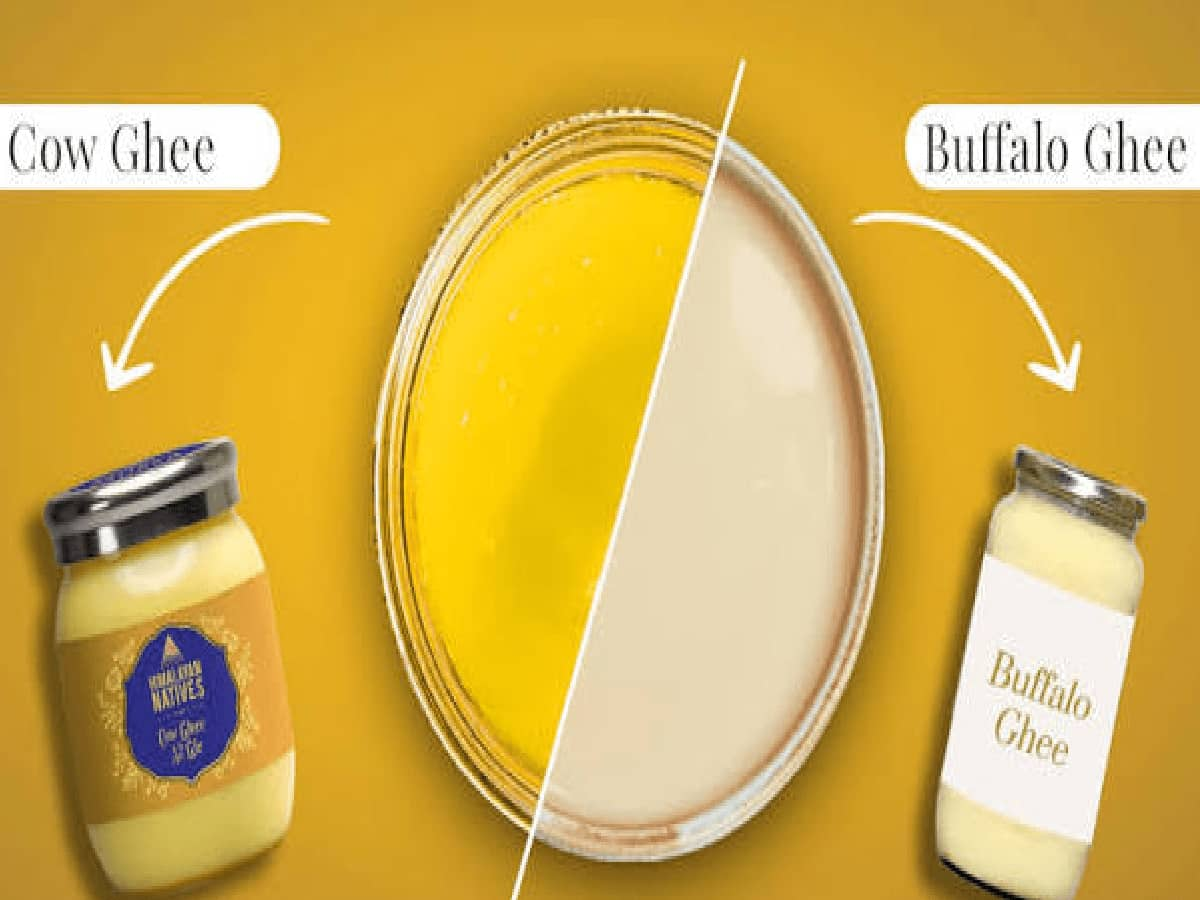
Cow Ghee vs Buffalo Ghee: Which One Is Better for Your Health
Clarified butter, widely known as ghee, has anchored traditional Indian culinary culture and holistic wellness for centuries, yet modern health-conscious consumers frequently find themselves debating whether cow ghee or buffalo ghee is superior for daily vitality. While enthusiasts frequently champion one variety over the other for purported medicinal benefits, both types originate from dairy milk and serve fundamentally as concentrated sources of dietary fat. Health professionals and clinical dietitians emphasize that determining the healthier option requires evaluating your total caloric load, basal metabolic rate, physical activity patterns, and underlying cardiovascular risks, rather than relying strictly on the dairy source alone.
Understanding the Core Difference: Nutrient Density, Saturated Lipids, and Total Dietary Balance
Both varieties possess unique physical characteristics, yet their overall impact on lipid profiles hinges on moderation:
-
Nutritional Composition Overview: While cow ghee typically appears lighter, distinctly golden due to beta-carotene, and slightly less dense in saturated fats, buffalo ghee is creamier, starkly pale, and richer in caloric density and solid fats.
-
The Shared Lipid Reality: Regardless of bovine origin, both cow and buffalo ghee consist almost entirely of fat, with saturated fatty acids forming the dominant proportion.
-
Cumulative Saturated Fat Impact: If your routine diet already incorporates high amounts of whole milk, paneer, artisanal butter, sweets, and fried delicacies, adding either form of ghee indiscriminately will significantly elevate total saturated fat intake.
-
Global Health Standards: World Health Organization (WHO) and American Heart Association (AHA) nutritional advisories highlight that saturated fat consumption should remain strictly moderated, advising people to prioritize unsaturated dietary fats such as cold-pressed seed oils, nuts, and avocados for long-term arterial protection.
Which Ghee Should You Choose? Matching Types with Your Lifestyle Goals
Selecting between cow and buffalo ghee comes down to individual fitness targets, digestive capacity, and specific medical considerations:
-
General Healthy Individuals: Adults with normal blood lipid levels and an active routine can safely enjoy moderate amounts of pure, unadulterated cow or buffalo ghee without having to eliminate either option entirely.
-
Weight Management Goals: Those seeking weight loss, or individuals leading predominantly sedentary desk-bound routines, benefit from limiting high-density saturated fat sources and leaning toward lighter, measured servings of cow ghee.
-
Heart and Cholesterol Patients: Individuals diagnosed with hypercholesterolemia, atherosclerosis, coronary artery disease, or metabolic syndrome must exercise strict caution, tailoring their intake strictly under clinical dietetic guidance to avoid elevating LDL cholesterol.
-
Balancing Healthy Fat Diversity: Rather than relying exclusively on clarified butter for all daily cooking, nutritionists recommend maintaining dietary fat variety by integrating diverse unsaturated sources to optimize cellular health.
Smart Daily Portions: Practical Tips to Consume Ghee Responsibly
Integrating traditional ghee into a modern, health-aligned dietary pattern requires simple, consistent portion control:
-
Drizzle, Do Not Deep-Fry: Instead of using copious ladlefuls for deep frying, limit consumption to a light, controlled drizzle over warm rotis, steamed dal, or cooked seasonal vegetables.
-
Caloric Accountability: Treat ghee as a rich flavor enhancer and healthy lipid medium rather than a magic health potion, keeping daily intake within personal caloric allowances.
-
Pair with Wholesome Nutrients: Maximize the metabolic absorption of fat-soluble vitamins (A, D, E, and K) by pairing small amounts of ghee with high-fiber legumes, whole grains, crunchy raw salads, and fresh fruits.
-
Avoid Excessive Intake: Believing that ghee is an unlimited health elixir can inadvertently trigger arterial plaque formation and gradual weight gain; disciplined moderation remains the gold standard for reaping its nutritional benefits.




