Can You Really Sweat Out a Fever? Medical Expert Busts Common Health Myth and Shares Safe Recovery Tips
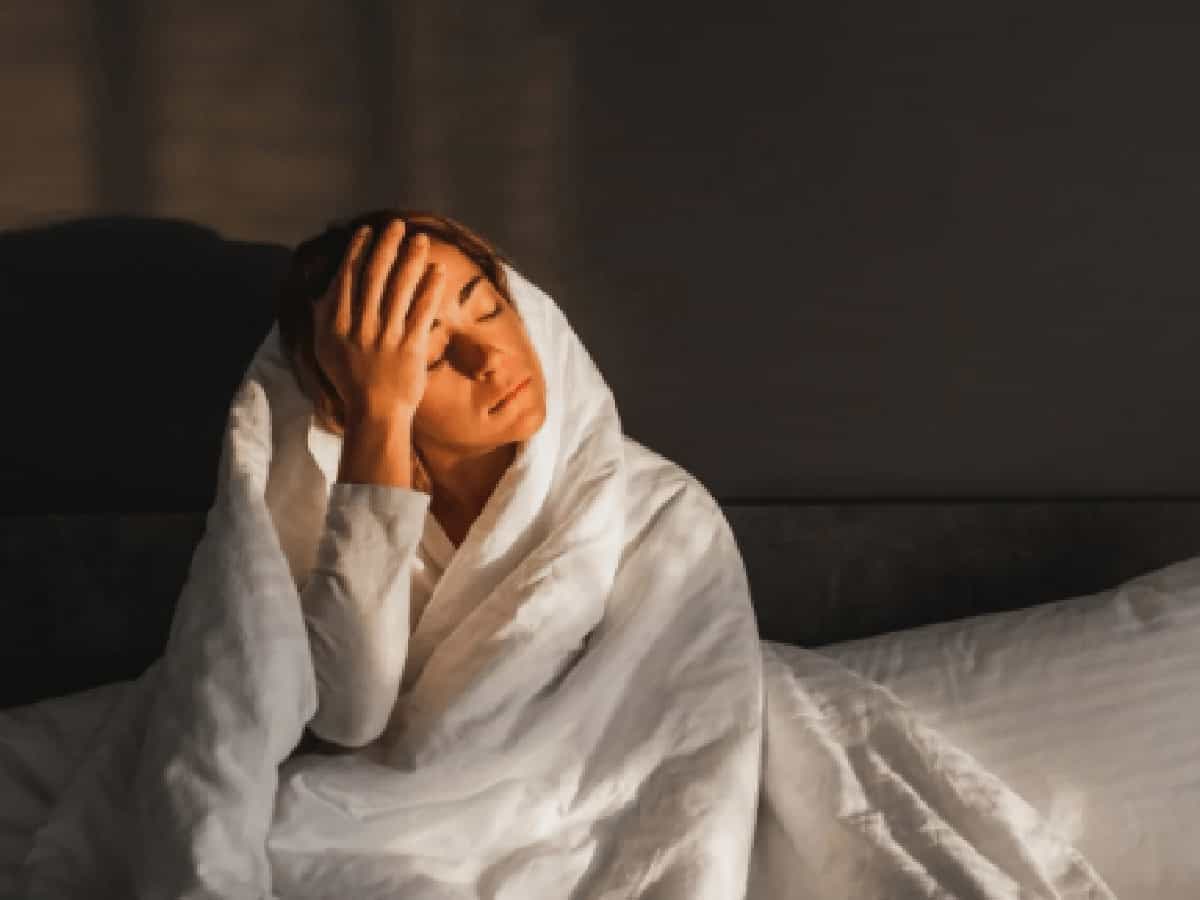
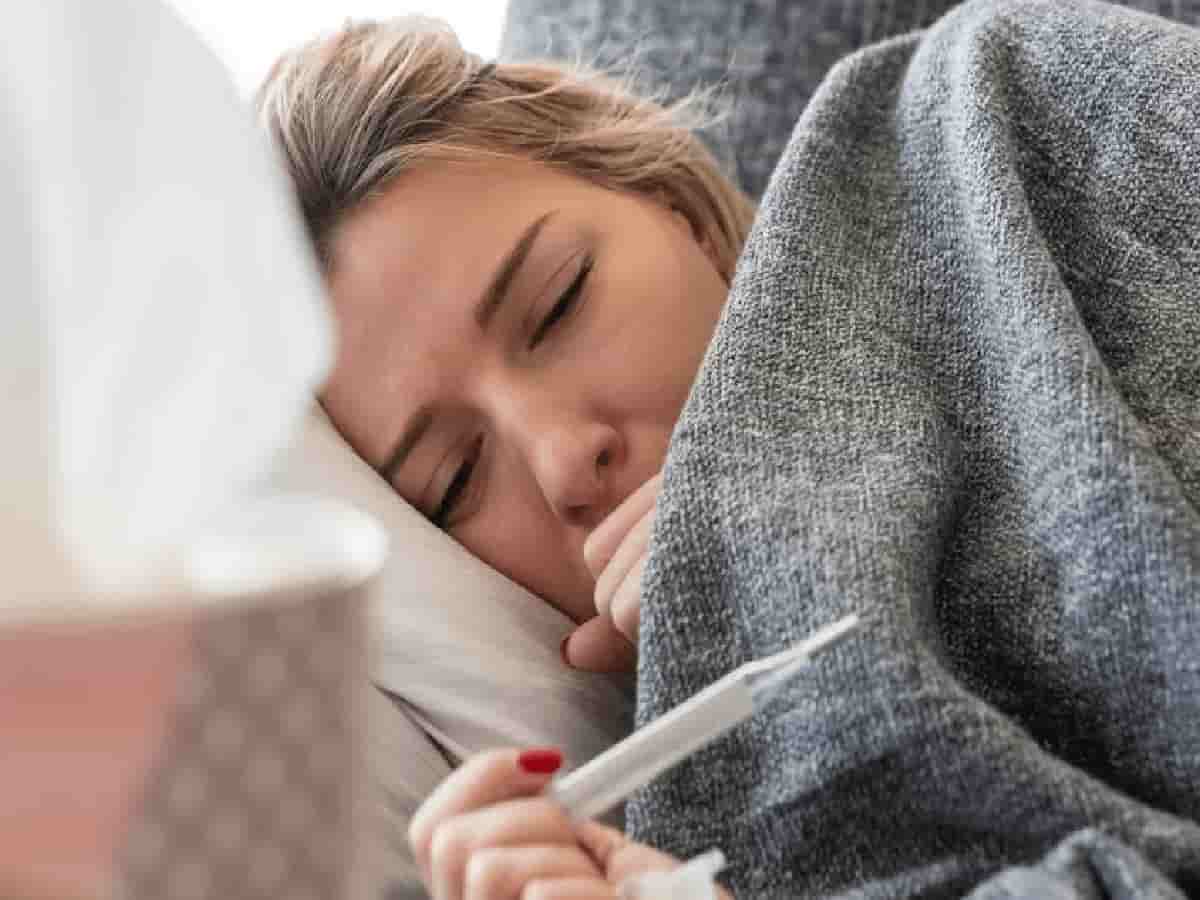
When illness strikes and body temperatures rise, people frequently encounter well-intentioned advice urging them to "wrap yourself in a blanket and sweat it out." The widespread belief suggests that inducing heavy perspiration will somehow flush out infections faster and break the fever. However, leading medical professionals caution that deliberately forcing your body to sweat is entirely a myth. Understanding how the human body naturally regulates temperature during an immune response is essential for avoiding dangerous practices and ensuring a safe, comfortable recovery.
Why Forcing Yourself to Sweat Can Worsen Dehydration and Discomfort
According to Dr. Neetu Jain, Senior Consultant in Pulmonary, Critical Care, and Sleep Medicine at PSRI Hospital in New Delhi, attempting to induce artificial sweating by piling on heavy blankets, wearing excessive layers of clothing, or sitting in sweltering environments does nothing to kill the underlying infection or speed up recovery.
Instead, Dr. Jain highlights that forced sweating carries significant physical risks:
-
Accelerated Dehydration: Fevers naturally contribute to fluid loss; deliberate sweating exacerbates this, depleting essential body fluids rapidly.
-
Increased Weakness and Dizziness: Excessive fluid loss and heat retention leave patients feeling significantly weaker, dizzy, fatigued, and intensely uncomfortable.
-
Risk of Overheating: In extreme scenarios, trapping body heat can dangerously push core body temperatures even higher rather than bringing them down.
While natural sweating frequently accompanies a fever, treating perspiration as an active treatment mechanism is fundamentally incorrect.
The Science Behind Natural Sweating: What Happens When a Fever Breaks?
The persistent myth of "sweating out" a fever stems from a common observation: people often notice profume sweating right as a fever begins to subside. Medical experts clarify that this perspiration is simply the body's natural cooling mechanism kicking in. Once the immune system regulates internal temperatures downward, the body releases accumulated heat through sweat to return to its normal baseline. Crucially, this sweating is a result of the fever breaking, not the cause of the infection leaving the body. Forcing the process artificially does not accelerate recovery.
Safe and Effective Steps to Manage a Fever at Home
Rather than attempting to raise body temperatures further through artificial heat, medical guidelines recommend focusing on supportive care:
-
Prioritize Hydration: Drink plenty of fluids, water, and electrolyte solutions to counteract natural fluid loss.
-
Dress Comfortably: Wear light, breathable clothing and keep the living environment at a comfortable, cool temperature.
-
Get Adequate Rest: Allow your immune system the energy it needs to fight the infection naturally.
-
Use Medication Judiciously: If the fever causes severe discomfort, appropriate doses of paracetamol can be administered under medical guidance.
When to Seek Immediate Medical Attention for a Fever
It is vital to remember that a fever is a symptom of an underlying condition, not a disease in itself. Identifying and treating the root cause is paramount. While mild fevers can be managed at home, you should consult a doctor immediately if the fever is extremely high, persists for multiple days, or is accompanied by warning signs such as severe breathing difficulties, confusion, persistent vomiting, extreme weakness, or a severe headache. Skipping the heavy blankets and letting your body heal naturally ensures a safer, more effective recovery.