







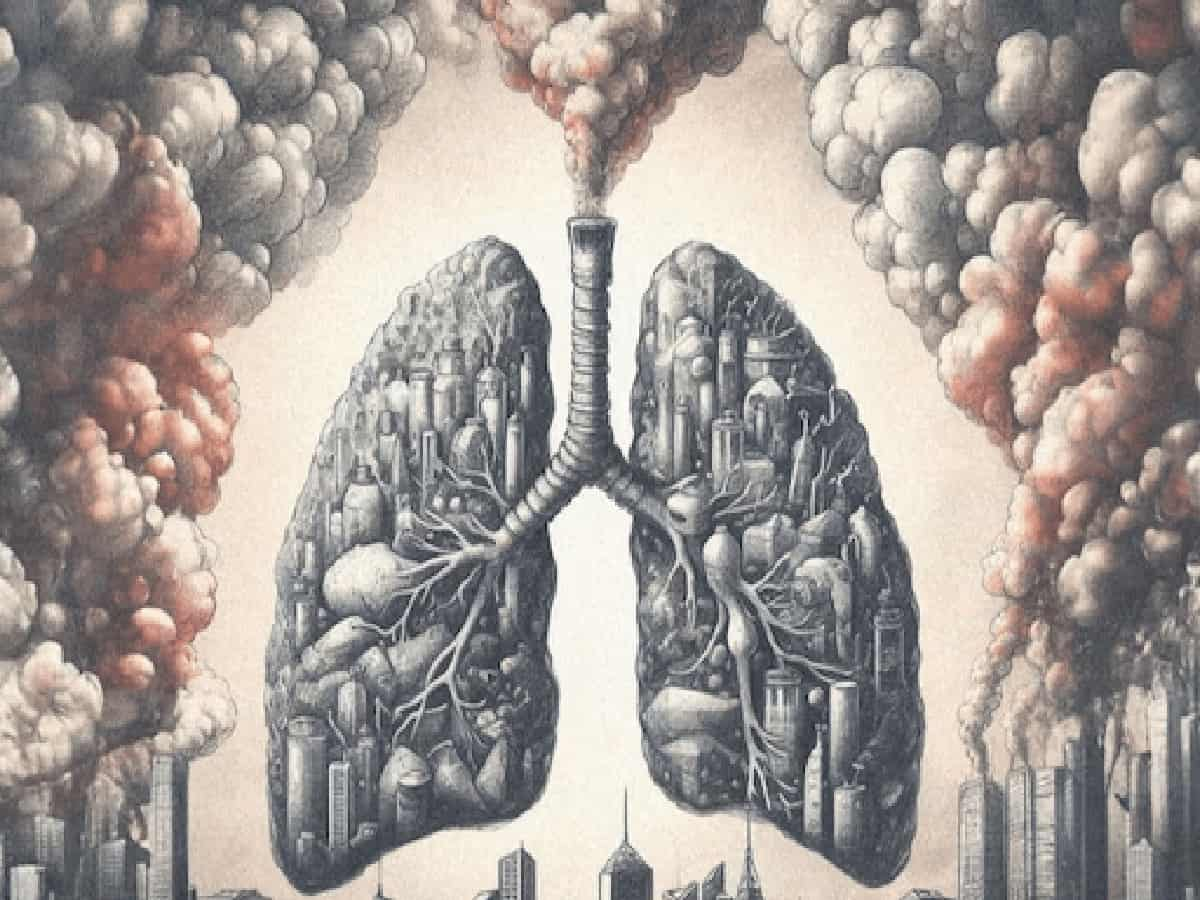
Can Polluted Black Lungs Heal, Doctor Explains Recovery Limits
As hazardous winter smog blankets major cities across northern India—from Delhi-NCR and Gurugram to Lucknow, Kanpur, and Patna—rising Air Quality Index (AQI) levels have sparked widespread anxiety about long-term respiratory health. A common refrain heard in households and social media discussions is that toxic urban air turns healthy pink lungs black, leading millions to ask an urgent medical question: once lungs have been darkened and strained by years of polluted air, can they ever recover and return to normal? According to Dr. Kuldeep Kumar Grover, Head and Associate Director of Pulmonology and Critical Care at CK Birla Hospital in Gurugram, the answer is nuanced—hinging heavily on the duration of exposure, the severity of tissue injury, and an individual’s baseline respiratory health.
Medical specialists note that the popular image of lungs magically shifting from black back to bright pink is more of a public metaphor than an exact clinical reality. While carbon particles deposited deep within lung tissues over decades rarely vanish completely, the human respiratory system possesses remarkable self-cleansing and regenerative mechanisms that can significantly restore breathing capacity once toxic exposure is curtailed.
How Toxic Air and PM2.5 Silently Harm the Respiratory System
Every breath taken in an industrial or traffic-congested environment carries a complex cocktail of vehicular exhaust, industrial chemical vapors, construction dust, and microscopic particulate matter. Among these pollutants, fine particulate matter known as PM2.5—particles measuring 2.5 micrometers or smaller in diameter—poses the greatest clinical danger because it bypasses the upper respiratory filters of the nose and throat to lodge deep inside the lower airways.
Dr. Grover explains that once inhaled, these microscopic particles trigger three compounding biological reactions inside the lungs:
-
Airway Inflammation and Mucus Overproduction: Toxic particulates irritate the delicate mucosal lining of the bronchial tubes, triggering acute swelling and excess mucus secretion. Over time, this leads to persistent coughing, chest tightness, wheezing, and shortness of breath.
-
Paralysis of Protective Cilia: Healthy airways are lined with millions of microscopic, hair-like sweeps called cilia that continuously push trapped dust, allergens, and microbes upward and out of the lungs. Chronic exposure to polluted air slows down and damages these cilia, weakening the body's natural defense barrier and leaving individuals prone to frequent bronchitis and respiratory infections.
-
Oxidative Stress and Alveolar Injury: Pollutants generate unstable molecules called reactive oxygen species that overwhelm the body's natural antioxidant defenses, causing cellular wear and tear. Prolonged exposure weakens the tiny, grape-like air sacs (alveoli) responsible for transferring oxygen into the bloodstream, dramatically increasing the risk of adult-onset asthma and Chronic Obstructive Pulmonary Disease (COPD).
Reversible Inflammation vs. Permanent Scarring: Where Recovery Stops
When an individual moves to a cleaner environment, uses indoor air filtration, or consistently wears protective respiratory gear, the lungs immediately begin an active repair cycle. Within a few weeks to several months of reduced pollutant exposure, acute airway inflammation gradually subsides, excessive mucus production normalizes, and surviving cilia regain their rhythmic sweeping motion to clear trapped debris. Many people notice easier breathing, reduced morning cough, and improved stamina during this recovery phase.
However, Dr. Grover cautions that there is a critical medical boundary between reversible irritation and irreversible structural damage. If years of relentless exposure to severe air pollution—or tobacco smoke—have caused pulmonary fibrosis (permanent stiffening and scarring of delicate lung tissue) or destroyed the fragile walls of the alveoli (as seen in emphysema), the body cannot regenerate lost lung architecture. In such cases, feeling better in clean air relieves daily symptoms, yet underlying structural scarring remains permanent, underscoring why early prevention is far more effective than late treatment.
Five Evidence-Based Steps to Protect and Support Lung Recovery
To shield vulnerable airways during peak pollution seasons and maximize the body's natural repair capacity, pulmonologists recommend five practical daily habits:
-
Track Local AQI Before Stepping Outdoors: Check real-time Air Quality Index readings every morning. When levels enter the "Very Poor" or "Severe" zones, postpone non-essential outdoor errands, particularly during early morning and late evening hours when cold temperatures trap smog near ground level.
-
Wear a Certified, Snug-Fitting N95 Mask: Standard cloth or loose surgical masks allow microscopic PM2.5 particles to leak through side gaps. Whenever stepping into heavy traffic or dusty corridors, wear a well-sealed N95 or N99 respirator capable of filtering at least 95 percent of fine airborne particulates.
-
Create a Clean-Air Sanctuary Indoors: Use HEPA-equipped air purifiers in bedrooms and living spaces, keep windows shut during peak outdoor smog hours, ventilate briefly during sunny afternoon windows when air dispersion improves, and strictly avoid indoor smoking, incense smoke, or mosquito coils.
-
Prioritize Indoor Exercise and Breathing Drills: Regular physical movement strengthens respiratory muscles and cardiovascular efficiency, but vigorous outdoor jogging in toxic air forces you to inhale deeper volumes of pollutants. Shift workouts indoors and practice daily diaphragmatic breathing or pranayama for 15 to 20 minutes.
-
Fuel Cellular Repair with Antioxidant-Rich Nutrition: Combat pollution-induced oxidative stress by eating a balanced diet rich in Vitamin C, Vitamin E, beta-carotene, omega-3 fatty acids, and lean proteins. Seasonal staples such as amla (Indian gooseberry), citrus fruits, spinach, carrots, turmeric, walnuts, and lentils supply the micronutrients your body needs to repair inflamed airway linings.




