






Can Fit People Suffer Sudden Cardiac Arrest? Key Triggers, Warning Signs, and How It Differs from a Heart Attack
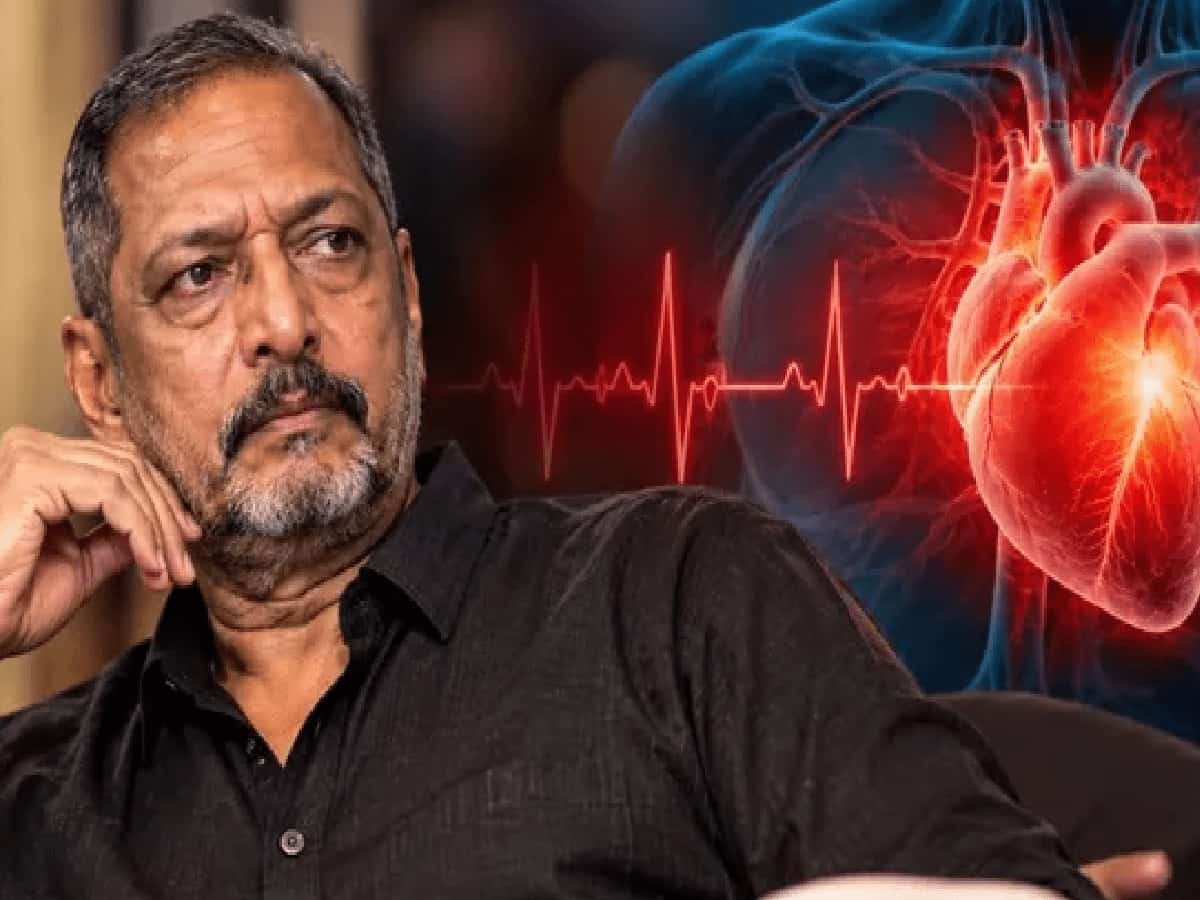
The sudden demise of veteran Bollywood actor Nana Patekar at the age of 75 due to fatal cardiac arrest on Thursday, October 8, 2026, has sent shockwaves across the country, refocusing national attention on sudden cardiac mortality. Despite emergency medical personnel performing intensive cardiopulmonary resuscitation (CPR) for 45 minutes, doctors were unable to revive his pulse. The tragic passing of an active public figure has reignited urgent medical questions surrounding why cardiac arrest offers virtually zero recovery buffer, why seemingly fit and active individuals unexpectedly succumb, and why the condition is routinely confused with a conventional heart attack despite fundamental differences in clinical pathology.
Plumbing vs Electrical Failure: How Cardiac Arrest Differs Fundamentally from a Heart Attack
While laypersons frequently use both medical terms interchangeably, clinical cardiology defines them as entirely separate cardiovascular catastrophes:
-
Heart Attack (Circulatory/Plumbing Problem): Occurs when one or more coronary arteries become severely blocked by plaque rupture or blood clots, cutting off oxygenated blood flow to a specific portion of the heart muscle; during a heart attack, the patient remains conscious and the heart continues to beat, albeit under ischemic distress.
-
Cardiac Arrest (Electrical Malfunction): Happens when the heart’s internal electrical signaling system abruptly malfunctions, causing the ventricles to flutter chaotically or stop contracting entirely; the heart abruptly halts its pumping action, cutting off critical perfusion to the brain and vital organs within seconds.
-
The Clinical Connection: While an acute heart attack can sometimes trigger an electrical short-circuit leading into cardiac arrest, sudden cardiac arrest can occur independently without any prior arterial blockage.
Hidden Vulnerabilities: Why Seemingly Healthy and Young People Suddenly Collapse
A muscular physique or active workout routine does not offer immunity against underlying, asymptomatic cardiac abnormalities:
-
Undiagnosed Congenital Conditions: Structural genetic anomalies such as hypertrophic cardiomyopathy (thickened heart muscle walls) or inherited ion-channel rhythm disorders like Long QT syndrome frequently remain undetected until high physical exertion sparks a fatal arrhythmia.
-
Lifestyle Stressors and Electrolyte Crashes: Extreme chronic stress, prolonged sleep deprivation, heavy smoking, recreational stimulants, or severe electrolyte imbalances (acute drops in potassium or magnesium) destabilize the heart’s electrical balance.
-
Commotio Cordis (Blunt Chest Trauma): In young athletes and sports enthusiasts, a sudden, sharp impact to the chest wall during a precise millisecond of the cardiac electrical cycle can abruptly trigger ventricular fibrillation without any underlying anatomical heart defect.
Silent Onset and Warning Signals: Symptoms That Must Never Be Brushed Aside
The lethal nature of cardiac arrest lies in its sudden, abrupt onset, yet subtle warning flags often precede the event:
-
Immediate Collapse: The hallmark presentation is sudden unresponsiveness, immediate loss of consciousness, cessation of normal breathing, and an undetectable carotid pulse within seconds.
-
Prior Red Flags: Transient episodes of unexplained fainting (syncope), sudden unexplained dizziness, racing or fluttering heartbeats (palpitations), sudden chest pressure, and unprovoked shortness of breath during routine activity should never be dismissed as simple fatigue.
-
Early Screening: Individuals with a family history of unexplained sudden deaths at an early age must undergo proactive cardiac screenings, including resting ECGs, 2D echocardiograms, and Holter monitoring.
Golden Hour Response: Critical CPR and AED Steps That Save Lives
Because cerebral oxygenation drops to zero within seconds of cardiac arrest, rapid bystander intervention dictates survival:
-
Dial Emergency Services Instantly: Immediately alert emergency ambulance services without waiting to see if the victim regains consciousness naturally.
-
Initiate Hands-Only CPR Immediately: Place interlocking hands firmly in the center of the patient's chest and perform continuous, rapid chest compressions at a tempo of 100 to 120 compressions per minute, pushing hard to a depth of at least two inches without pausing.
-
Deploy an Automated External Defibrillator (AED): If an AED unit is accessible in nearby public venues like airports, metro stations, or malls, attach the electrode pads immediately; the automated system analyzes the rhythm and delivers a targeted shock to reset the heart's natural pacemaker.