







Bromate in Bottled Water: How It Forms and Health Risks
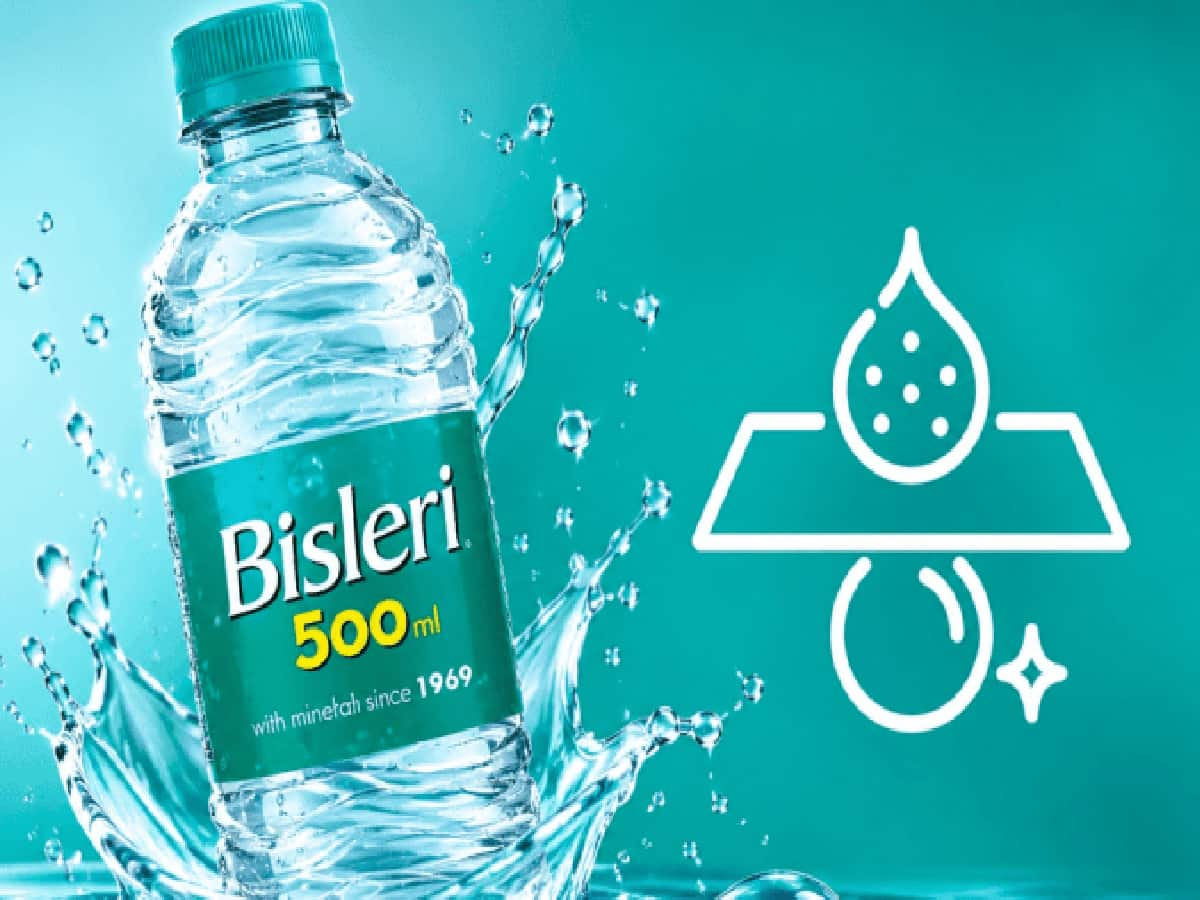
For millions of travelers, commuters, and households, picking up a sealed bottle of packaged drinking water is an everyday habit built on trust in purity and safety. That assumption has returned to the national spotlight after India's apex food safety regulator, the Food Safety and Standards Authority of India (FSSAI), sanctioned prosecution against Bisleri International following laboratory findings that declared a tested packaged drinking water sample unsafe—citing non-compliance with prescribed bromate limits alongside the detection of polynuclear aromatic hydrocarbons (PAHs). Bisleri has disputed the findings and maintained that its multi-step treatment process undergoes strict quality checks, while the enforcement move has sparked widespread public curiosity about what bromate is, how it forms in bottled water, and what level of risk it poses. For consumers and families across northern India—including residents in Uttar Pradesh cities such as Unnao, Kanpur, Lucknow, Prayagraj, and Varanasi, where packaged water is widely used on highways, rail journeys, offices, and homes—understanding disinfection byproducts and water-quality standards helps separate everyday facts from alarmist rumors.
Where Bromate Comes From and Why Ozone Plays a Key Role
Bromate is not intentionally added to drinking water as an ingredient. Instead, it forms as a chemical disinfection byproduct when naturally occurring or environmental bromide ions present in source water react with ozone during water purification.
Bromide itself can enter raw water supplies through natural mineral dissolution from rock formations, industrial runoff, saltwater intrusion, or agricultural pesticide residues. Many bottled-water plants use ozonation—a widely adopted sanitization method that eliminates microbes without relying on chlorine. When raw water contains elevated bromide and is treated with high ozone doses, pH conditions, or long contact times, oxidation can convert bromide into bromate.
Is Bromate Found in Every Bottle of Water?
Not every bottle of drinking water contains elevated or unsafe bromate. When raw water has minimal bromide and ozonation parameters are tightly monitored and controlled, bromate formation can be kept well below regulatory limits or avoided altogether.
| Regulatory & Safety Aspect | Key Standard / Finding | Practical Takeaway for Consumers |
| Prescribed Drinking Water Limit | 10 micrograms per liter (µg/L)—equivalent to 0.01 mg/L or 10 parts per billion (ppb)—aligned with WHO provisional guidelines, US EPA limits, and Indian standards. | Limits are set with safety margins to protect against long-term cumulative exposure. |
| How Bromate Forms | Reaction between bromide in source water and ozone used during disinfection. | Requires source-water bromide monitoring and careful ozone process control. |
| FSSAI & Bisleri Development | FSSAI sanctioned prosecution after a referral lab flagged non-compliance on bromate and detected PAHs; Bisleri contested the findings and cited internal quality checks. | Highlights ongoing regulatory oversight and dispute resolution over testing results. |
How Dangerous Is Bromate—and Who Needs Extra Caution?
Toxicologists and public-health agencies focus primarily on chronic, long-term exposure rather than a single glass of water. International health bodies classify potassium bromate/bromate as a possible or potential human carcinogen based on animal studies showing kidney and other tumors at elevated doses, while long-term exposure has also been linked in toxicology literature to potential kidney and nervous-system effects. At very high acute doses—typically associated with accidental industrial or chemical ingestion rather than normal drinking water—it can cause gastrointestinal distress such as nausea, vomiting, or abdominal pain.
-
Higher-Susceptibility Groups: Infants, young children, pregnant individuals, and people who drink large daily volumes of bottled water over extended periods benefit most from consistent water-quality assurance.
-
Everyday Buying Habits: Choose sealed bottles from reputable, licensed producers with intact tamper-evident caps and clear batch/FSSAI details, store bottles away from direct heat or sunlight, and consult a healthcare professional if you have specific health concerns or questions about your household's drinking water.




