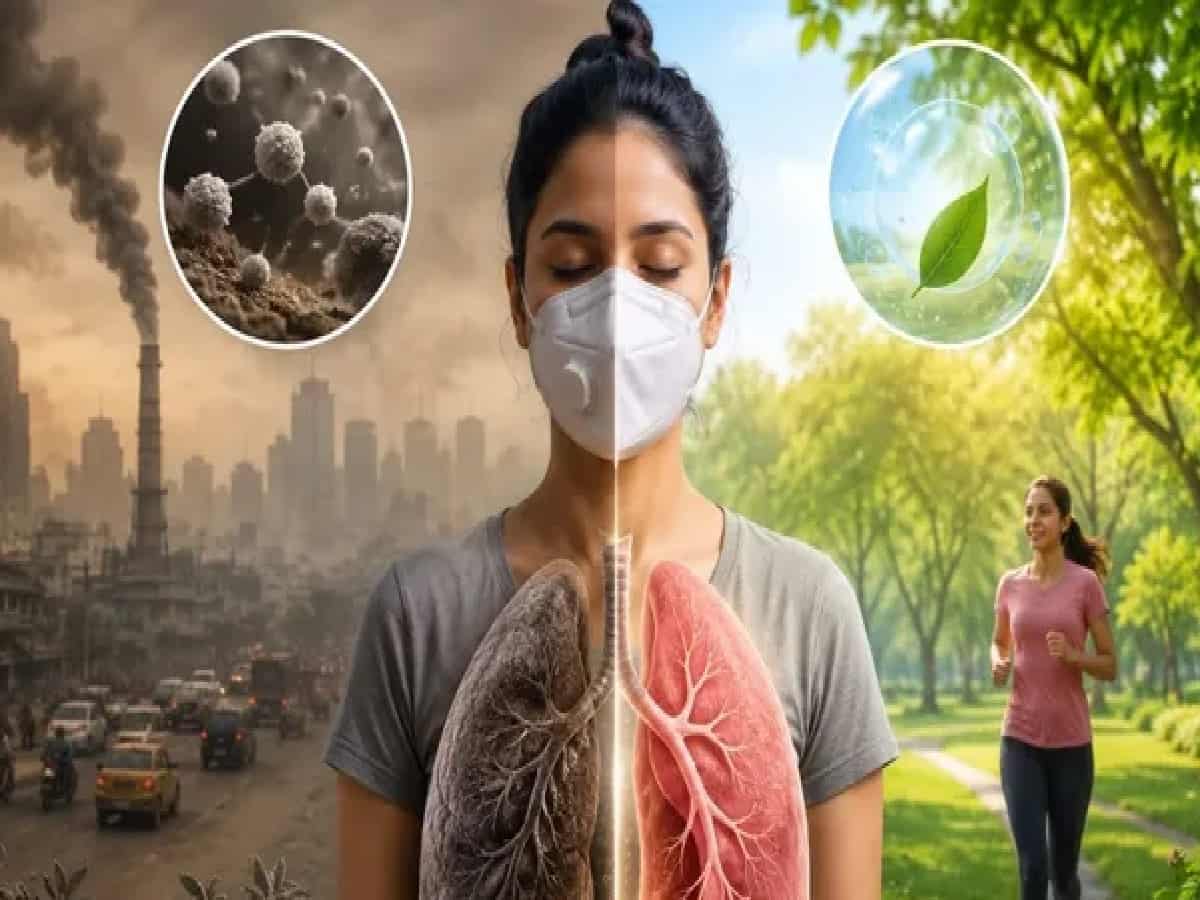
Breathing Hazard: Reducing PM 2.5 Exposure Can Lower Global Lung Cancer Risks, New Study Reveals
Air pollution has long been recognized as an environmental crisis, but its direct toll on human health continues to alarm medical researchers worldwide. While the ecological damage is frequently discussed, the severe threat that toxic air poses to our respiratory system demands urgent attention. A recent scientific study published in Natural Health highlights an undeniable, direct connection between chronic air pollution and the rising incidence of cancer, emphasizing that minimizing exposure to microscopic particulate matter could save countless lives.
PM 2.5 Identified as the Primary Driver of Lung Cancer
According to researchers examining global cancer risks linked to long-term pollutant exposure, fine particulate matter known as PM 2.5 is the primary culprit behind respiratory malignancies. The findings indicate that significantly reducing exposure to PM 2.5 pollutants could potentially prevent 17.9 percent of all tracheal, bronchial, and lung cancer cases.
Analyzing global health data from 2000 to 2020, researchers—including scientists from the Chinese Academy of Sciences—revealed that out of 109 million diagnosed cancer cases during that period, an estimated 8.82 million cases were directly attributed to exposure to particulate matter measuring 2.5 microns or smaller. Furthermore, statistical analysis demonstrated that every 10 micrograms per cubic meter increase in global PM 2.5, ozone, and nitrous oxide levels corresponds to a 16 percent, 4.23 percent, and 11.7 percent surge in overall cancer risk, respectively.
Heightened Vulnerability Among Women and the Global Air Quality Crisis
The comprehensive report also sheds light on demographic vulnerabilities, noting that women were consistently found to be more susceptible to life-threatening illnesses triggered by severe atmospheric toxicity. Alarmingly, health experts point out that nearly 99 percent of the global population currently breathes air with pollutant concentrations that far exceed the World Health Organization's safe air quality guidelines, with heavily populated urban centers—including India's capital, Delhi—ranking among the most severely affected regions.