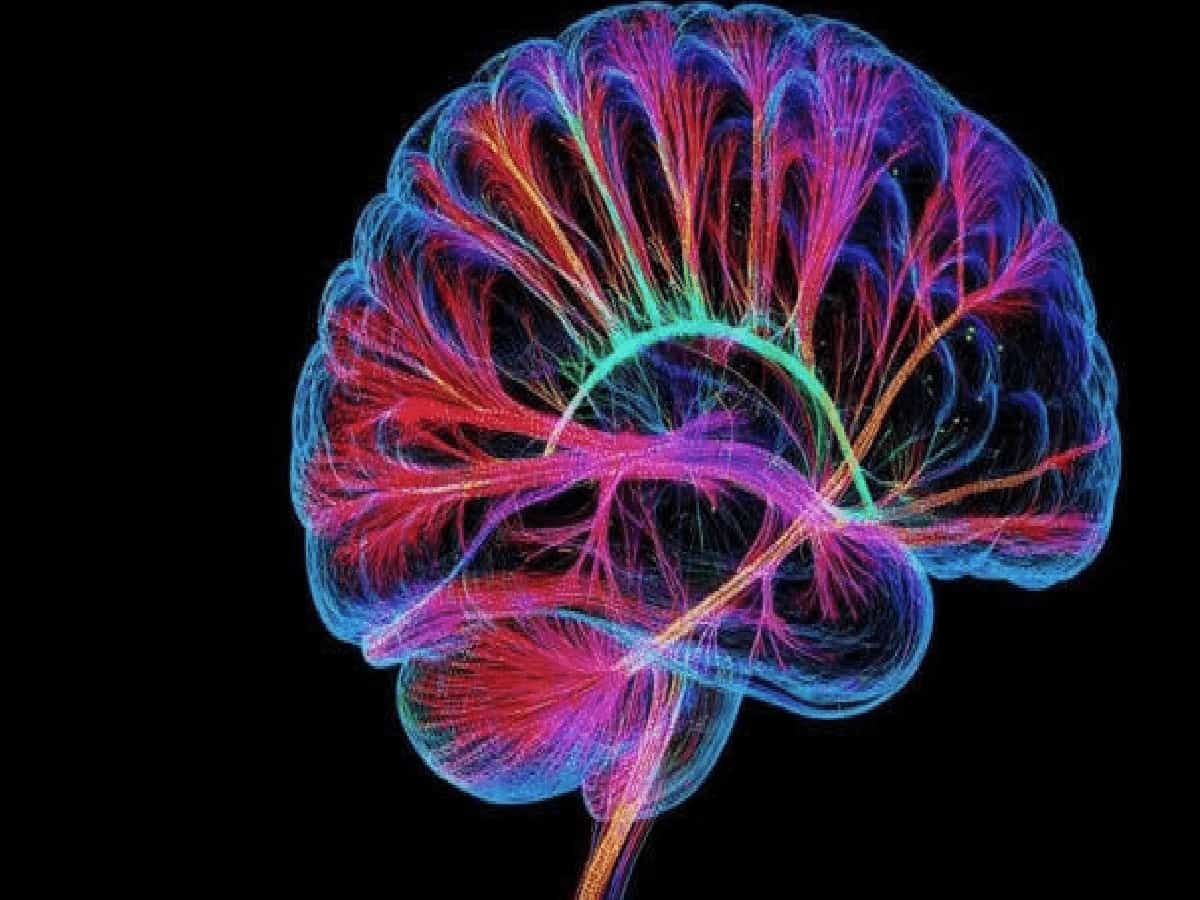
Brain's 'Default Mode Network' Discovered as Real Trigger in Breakthrough UC San Diego Study
For millions of individuals worldwide trapped in debilitating cycles of chronic lower back pain, conventional clinical interventions focusing solely on spinal vertebrae, disc compression, and peripheral muscular tension frequently fail to provide long-term relief. Offering a paradigm shift in pain management, groundbreaking clinical neuro-imaging research published in the prestigious British Journal of Anaesthesia reveals that targeting the brain’s Default Mode Network (DMN) could serve as the definitive therapeutic gateway to resolving persistent spinal distress on Thursday, October 8, 2026. Led by neuroscientists at the University of California, San Diego (UCSD), the clinical trial demonstrates that enduring lower back pain is profoundly wired into self-referential neural circuitry, explaining why treatments addressing purely physical symptoms often fall short.
What Is the Default Mode Network? The Brain's Self-Referential Engine
Understanding this complex neurological hub clarifies how chronic discomfort integrates into human consciousness:
-
Neural Center of Internal Reflection: The Default Mode Network (DMN) is an interconnected cluster of brain regions that powers up when an individual focuses inward, reflecting on personal identity, past memories, emotions, and self-awareness rather than external environmental tasks.
-
The Involuntary Pain Link: Neuroscientists discovered that in chronic back pain patients, this exact introspection network lights up in direct synchronization with movement-induced pain spikes, essentially integrating the sensation of pain into the individual's baseline neurological identity.
-
Why Conventional Therapies Fail: Because routine spine treatments concentrate almost exclusively on structural spinal columns, lumbar muscles, or localized inflammation, they leave the central neural amplification loops within the DMN entirely untouched.
The UC San Diego Clinical Trial: 114 Patients Evaluated via Functional MRI
Researchers established the neural link through rigorous clinical experimentation on chronic back pain sufferers:
-
Cohort and Provocation Testing: The clinical investigation analyzed a cohort of 114 chronic low back pain patients, subjecting them to the standardized clinical straight leg raise test to provoke routine movement-induced lumbar discomfort.
-
Advanced Functional Neuroimaging: During physical evaluation, researchers tracked real-time cerebral hemodynamics and localized neural blood flow using state-of-the-art functional Magnetic Resonance Imaging (fMRI) scanning techniques.
-
The Critical Breakthrough: The fMRI data confirmed that the moment acute physical movement triggered lumbar discomfort, the brain’s default mode network lit up immediately, establishing that chronic pain directly co-opts cognitive self-processing pathways.
Redefining Pain Medicine: Moving from Localized Lumbar Care to Central Neuromodulation
This scientific correlation opens up transformative avenues for non-invasive neurological therapies:
-
Centralized Neuromodulation: By demonstrating that chronic lower back pain involves central nervous system sensitization, the findings pave the way for targeted neuromodulation technologies and cognitive interventions that calm hypersensitive neural circuits.
-
Mind-Body Retraining: Therapeutic strategies like mindfulness-based cognitive therapy, neurofeedback, and pain reprocessing therapy can be precisely designed to decouple physical sensory inputs from emotional DMN activation.
-
Holistic Spine Rehabilitation: Bridging spinal orthopedic care with advanced neuroscience offers renewed clinical optimism for patients suffering from long-term lumbar agony, moving therapy beyond temporary pain-relief pills toward permanent neurological retraining.