







Beyond Cholesterol: 5 Hidden Risk Factors That Drive Heart Attacks and Why Normal Reports Aren't Enough
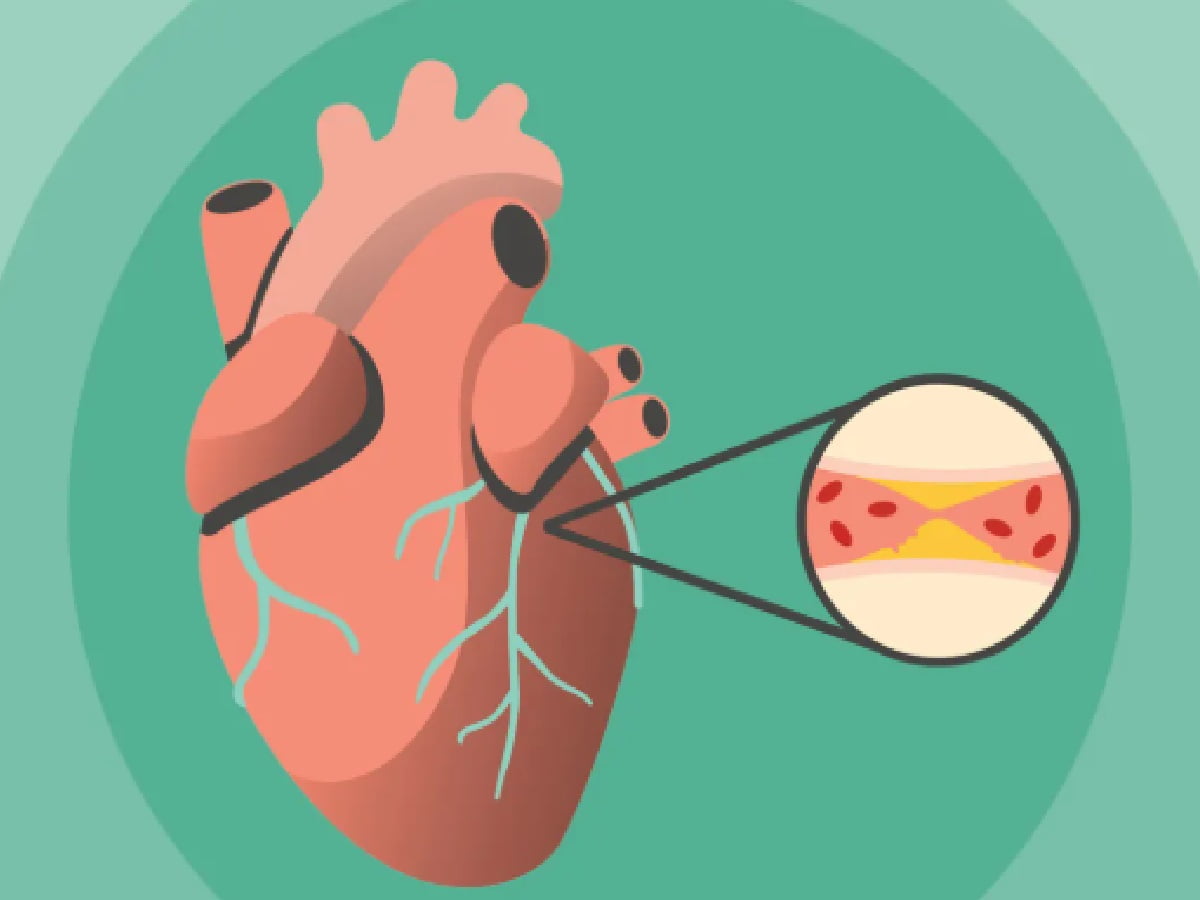
For decades, cholesterol has been universally labeled as the primary villain behind cardiovascular disease. However, medical science reveals that cholesterol itself is not inherently harmful; in fact, this waxy substance is vital for cellular structure, hormone synthesis, and vitamin D production. The real danger begins when imbalances occur—specifically when protective HDL (good cholesterol) declines and dangerous LDL (bad cholesterol) surges, accumulating as plaque in arterial walls.
A landmark study by the Indian Council of Medical Research (ICMR) highlights a startling reality: 87.3 percent of Indian adults exhibit defective lipid profiles. Even more alarming, roughly 355 million of these individuals suffer from lipid imbalances despite having no history of diabetes, high blood pressure, or obesity. This raises a critical question for modern healthcare: can we truly prevent heart attacks simply by monitoring standard cholesterol levels? Experts urge a broader perspective, noting that cardiovascular health depends on managing several hidden risk factors alongside traditional lipid tracking.
Why Normal Cholesterol Reports Can Still Hide Heart Risks
A common misconception is that maintaining a normal lipid profile completely eliminates the threat of a heart attack or stroke. In clinical practice, many patients suffer cardiac events despite having textbook cholesterol levels. According to leading cardiologists like Dr. Ashok Seth, Chairman of the Fortis Escorts Heart Institute in New Delhi, heart attacks are frequently triggered by factors independent of basic LDL counts.
Hidden contributors include arterial inflammation, genetic predispositions, elevated lipoprotein(a) levels, apolipoprotein (B), chronic hypertension, diabetes, smoking, obesity, and calcium deposits within the coronary arteries. Therefore, evaluating cardiovascular risk requires a comprehensive screening of lifestyle habits, family history, and secondary biological markers rather than focusing solely on standard cholesterol numbers.
The Emerging Danger of Lipoprotein(a) [Lp(a)]
While cholesterol and blood pressure have traditionally dominated heart disease discussions, medical science now recognizes lipoprotein(a)—commonly known as Lp(a)—as a powerful predictor of early cardiovascular disease, strokes, and unexpected heart attacks. When healthy individuals experience sudden cardiac events, elevated Lp(a) levels are frequently a silent culprit, causing arterial walls to harden and narrow prematurely.
Individuals with Lp(a) levels exceeding 50 mg/dL face a significantly elevated risk of developing heart disease at a young age. Consequently, doctors recommend checking Lp(a) levels alongside standard lipid panels, particularly for individuals carrying a family history of premature heart conditions.
Early Screening: Why Children Are Entering the Danger Zone
Metabolic shifts between the ages of 10 and 12 make childhood nutrition and physical activity crucial for long-term development. Unfortunately, modern lifestyles are introducing unprecedented risks to younger generations. The growing consumption of packaged snacks, sugary beverages, fast food, and highly processed items causes bad cholesterol to accumulate in children's arteries at an alarmingly early age.
Coupled with sedentary screen time, sleep deprivation, and academic stress, young hearts are facing severe modern pressures. Medical guidelines advise scheduling a child's first lipid profile screening around the age of 10—especially if there is a family history of high cholesterol—followed by a second screening at age 20, and regular monitoring every few years thereafter.
Understanding Your Lipid Profile Components
A standard blood test evaluates several key markers that determine overall cardiovascular health:
-
Total Cholesterol: The combined measurement of all cholesterol circulating in the blood.
-
HDL (High-Density Lipoprotein): Known as "good cholesterol," higher levels protect the heart by scavenging excess bad cholesterol from arterial walls and transporting it back to the liver for elimination.
-
LDL (Low-Density Lipoprotein): Known as "bad cholesterol," elevated levels narrow and harden arteries, dramatically increasing the risk of heart attacks and strokes.
-
Triglycerides: A specific type of blood fat linked to heightened cardiovascular risk when levels spike.
Lifestyle Triggers and Heart-Friendly Habits
Modern habits that aggressively drive up bad cholesterol include prolonged sedentary sitting, poor dietary choices, physical inactivity, chronic sleep debt, unmanaged stress, and the consumption of tobacco or alcohol. Conversely, protecting your heart requires proactive daily adjustments:
-
Dietary Adjustments: Prioritize fresh fruits, vegetables, whole grains, and pulses while reducing salt and saturated fats. Swap trans-fat-heavy bakery items, cookies, and fried fast foods for heart-healthy oils rich in MUFAs (such as mustard, rice bran, canola, and olive oil).
-
Fiber Integration: Boost daily fiber intake with oats, barley, brown rice, quinoa, beans, and green leafy vegetables to naturally lower cholesterol.
-
Physical Activity: Commit to at least 30 minutes of moderate physical activity daily, such as brisk walking, cycling, or swimming, which elevates good cholesterol and burns triglycerides.
-
Regular Monitoring: Maintain a healthy weight, minimize smoking, and schedule routine blood pressure and lipid evaluations. Prevention remains our most powerful defense against cardiovascular emergencies.