







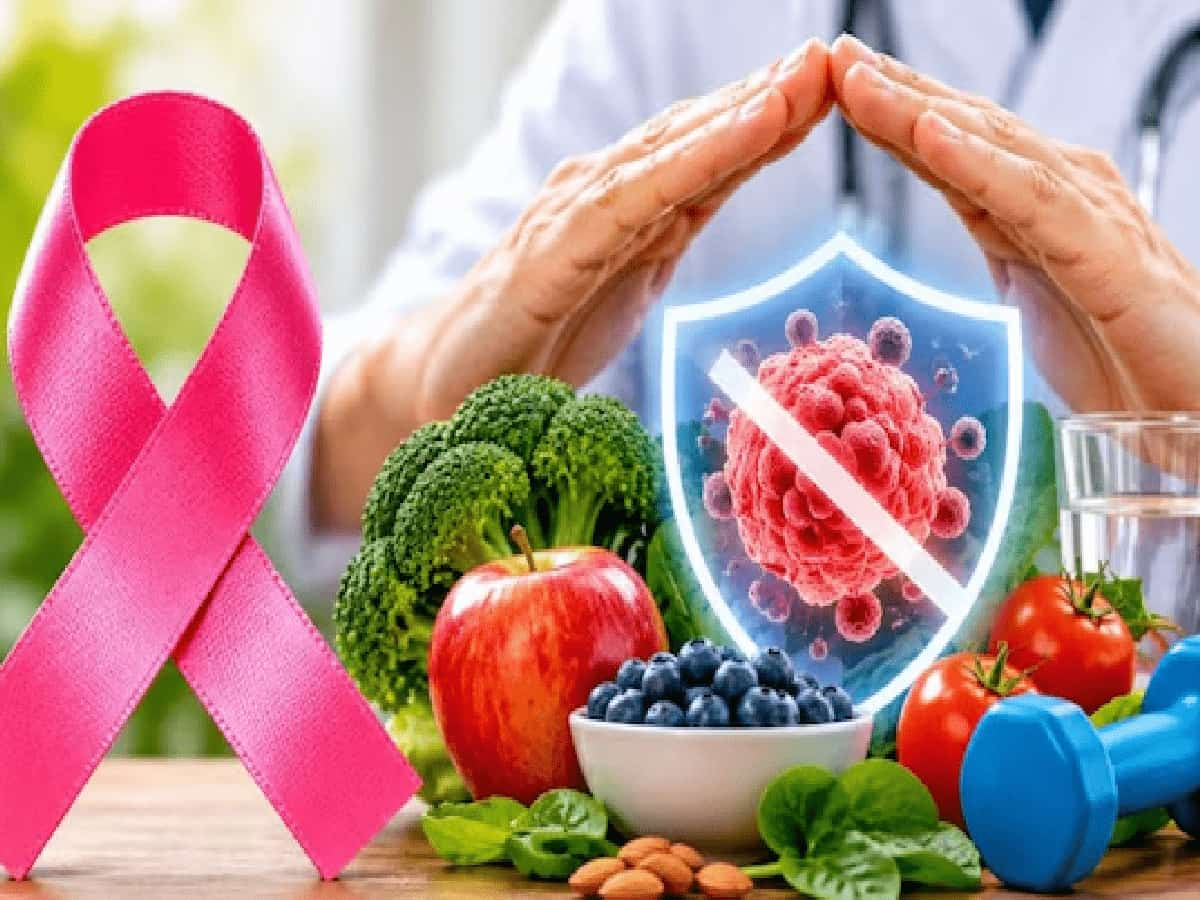
AIIMS Doctor: Up to 80% of Cancers Can Be Prevented
Cancer remains one of the most dreaded words in clinical medicine, yet leading specialists from India’s premier healthcare institution, the All India Institute of Medical Sciences (AIIMS), New Delhi, are delivering a powerful message of hope grounded in clinical reality. Up to 70 to 80 percent of all cancers can be completely prevented or successfully cured if individuals take timely proactive steps, abandon high-risk habits, and prioritize early diagnostic screenings. Dr. Atul Batra, Additional Professor in the Department of Medical Oncology at AIIMS, New Delhi, highlighted this reality in a detailed public advisory, challenging the widespread fatalism that often accompanies a cancer diagnosis.
The clinical perspective arrives at a crucial moment for national public health. According to national registry and government epidemiological data, approximately 1.5 million new cancer cases are diagnosed across India every single year. A diagnosis rarely impacts an individual in isolation; the psychological, emotional, and financial burdens frequently strain entire family structures. However, applying Dr. Batra's clinical framework means that out of those 1.5 million yearly diagnoses, over one million malignancies could theoretically be avoided or intercepted at pre-cancerous stages. Rather than viewing the disease as an unavoidable stroke of bad luck, medical oncology experts emphasize that the vast majority of common tumors are directly linked to modifiable lifestyle exposures and neglected preventive health checks.
Defending Women's Health: The Decisive Role of Mammograms and Pap Smears
In female patients across urban and rural India, breast cancer ranks as the single most prevalent malignancy, accounting for roughly 600,000 cases annually, followed closely by cervical cancer. While the incidence of these diseases continues to climb, oncologists stress that modern medical science has perfected the screening mechanisms required to detect them long before clinical symptoms become life-threatening.
Dr. Batra underscored that breast and cervical cancers have high survival rates when identified during early localized stages. For breast cancer, routine clinical breast examinations paired with periodic screening mammography starting between the ages of 40 and 45 can reveal micro-calcifications and tiny lesions years before they develop into palpable physical lumps. Even when a small lump is detected, prompt clinical intervention offers high curative outcomes, often sparing the patient from radical surgical mastectomies or aggressive chemotherapy regimens.
Similarly, cervical cancer represents one of the few malignancies that is almost entirely preventable through organized screening and vaccination. Regular screening through Pap smear cytology or High-Risk Human Papillomavirus (HPV) DNA testing allows clinicians to detect and excise pre-cancerous cervical dysplasia before it progresses into invasive carcinoma. Coupled with widespread adolescent HPV vaccination, routine screening for women past their third decade can reduce cervical cancer fatalities nationwide. Oncologists strongly advise women across the country not to wait for pain, abnormal bleeding, or physical discomfort, because routine screening is specifically designed to protect asymptomatic, healthy-feeling individuals.
Halting the Epidemic in Men: Quitting Tobacco Protects Mouth and Lungs
In men, the epidemiological cancer profile reflects behavioral and substance consumption patterns. The most common malignancies diagnosed in Indian males are oral cavity and throat cancers, followed closely by lung cancer. Medical literature confirms that nearly 85 to 90 percent of these cases are directly attributable to the use of tobacco in smoked and smokeless varieties.
Dr. Batra observed that eliminating tobacco and tobacco-derived products represents the single most effective intervention for reducing cancer cases among men. In many parts of India, the widespread habit of chewing gutkha, khaini, paan-masala with tobacco, zarda, and areca nut constantly bathes the oral mucosa in chemical carcinogens, causing oral submucous fibrosis (OSMF), leukoplakia, and eventually aggressive squamous cell carcinomas of the tongue, gums, and buccal cavity. Concurrently, smoking cigarettes, bidis, and hookahs introduces toxic particulate chemicals directly into pulmonary bronchial linings, drastically escalating lung cancer risks while multiplying the hazards of concurrent chronic alcohol intake. By completely avoiding these substances, individuals can reduce their personal risk of oral, pharyngeal, and lung cancers by up to 90 percent, transforming the male cancer map.
Modern Sedentary Routines and Ultra-Processed Foods Accelerate Risk
Beyond direct chemical exposures, contemporary environmental and behavioral shifts are quietly driving cancer rates upward. The widespread transition toward sedentary lifestyles—where professionals, students, and urban dwellers spend eight to ten continuous hours seated behind desks or screens—undermines basic metabolic health. Prolonged physical inactivity impairs systemic blood circulation, blunts insulin sensitivity, and causes chronic low-grade systemic inflammation, creating a cellular environment favorable to aberrant cell growth.
Dietary habits have undergone an equally damaging shift. The widespread consumption of ultra-processed packaged snacks, industrial fast foods, refined flours, sugar-sweetened beverages, and synthetic chemical food preservatives exposes gastrointestinal organs to metabolic stress. Diets poor in natural dietary fiber and micronutrients slow digestive transit, leaving intestinal linings vulnerable to chronic inflammation and significantly elevating the risk of colorectal, stomach, and metabolic-related cancers. Furthermore, chronic unmanaged mental stress drives sustained releases of cortisol and adrenaline, suppressing cell-mediated immunity and impairing the body's natural natural-killer (NK) cell surveillance mechanisms that eradicate rogue cells. While approximately 5 to 10 percent of cancers are hereditary and driven by germline genetic mutations (such as BRCA1/2 or Lynch syndrome), the remaining 90 percent are shaped by daily lifestyle choices.
The Action Plan: How to Build a Proactive Shield Against Cancer
Protecting oneself against cancer requires shifting from reactive emergency medicine to proactive, everyday prevention. The medical oncology fraternity at AIIMS recommends a clear protocol built on two foundational pillars: regular diagnostic vigilance and clean living.
First, embrace structured age-appropriate cancer screenings as a non-negotiable health routine, even in the complete absence of physical symptoms. Women should consult their physicians to establish screening schedules for mammograms and Pap smears or HPV tests between the ages of 40 and 45 (or earlier if there is a strong first-degree family history). Men and women with long histories of tobacco or heavy alcohol exposure should undergo routine oral cavity evaluations and low-dose CT chest screenings as advised by specialists.
Second, return to a natural, nutrient-dense nutritional lifestyle. Fill your plate with locally sourced fresh vegetables, seasonal whole fruits, legumes, whole grains, seeds, and antioxidant-rich foods while minimizing processed meats, deep-fried items, and commercial refined sugars. Pair balanced nutrition with at least 150 minutes of moderate physical exercise every week, prioritize seven to eight hours of uninterrupted restorative sleep, and practice stress-reduction techniques such as yoga and meditation. Cancer prevention is a practical, achievable personal goal, and taking decisive action today provides the ultimate safeguard for a long, healthy life.




