







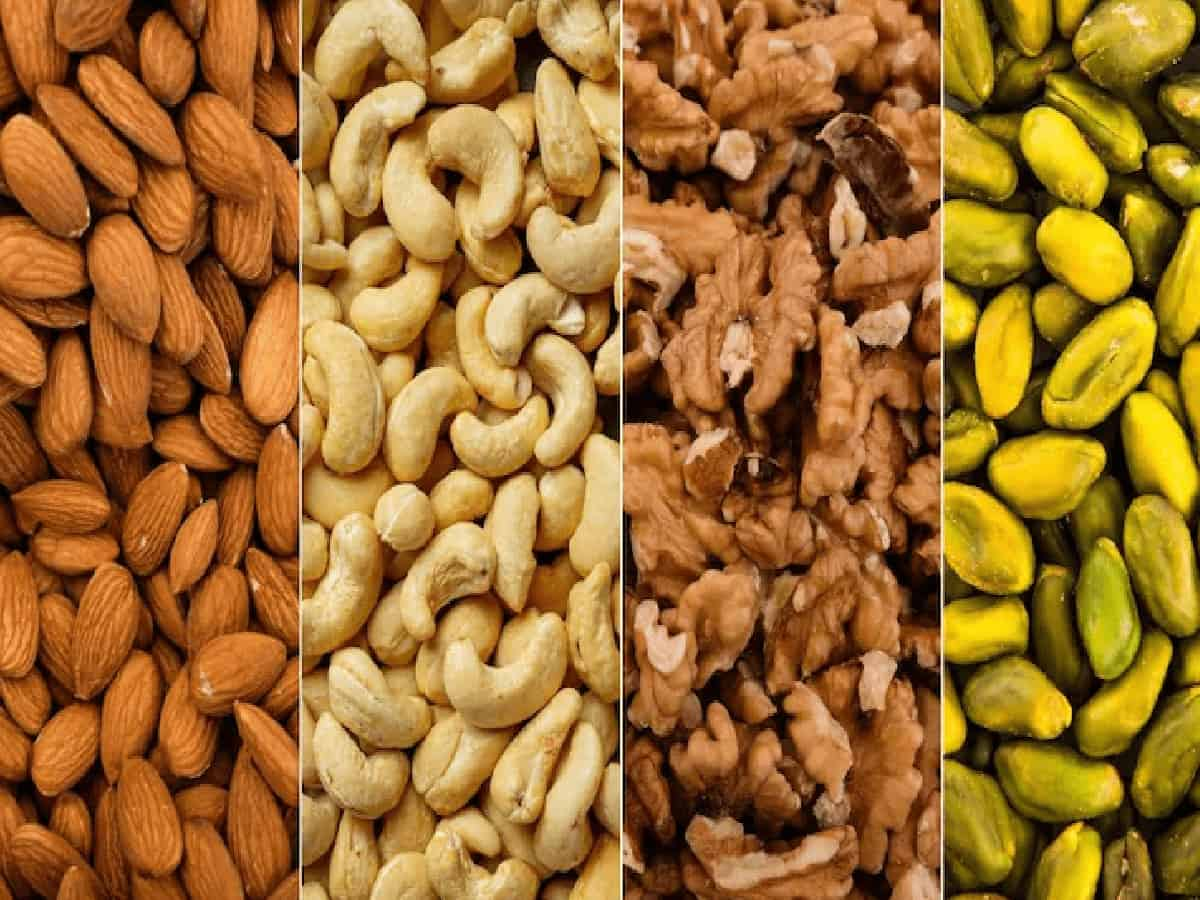
AIIMS Doctor Reveals the Best Time of Day to Eat Almonds, Walnuts, and Other Dry Fruits
While incorporating nutrient-dense dry fruits and nuts into a daily dietary regimen is widely known to bolster seasonal immunity and provide sustained cellular energy, clinical nutritionists point out that the specific timing of their consumption plays an equally critical role in how the human body assimilates their active vitamins, minerals, and fatty acids. Renowned gastroenterologist and physician Dr. Saurabh Sethi, trained at the All India Institute of Medical Sciences (AIIMS) and Harvard University, recently released an informative dietary breakdown across his medical communication channels detailing how aligning different nuts with specific windows of the biological circadian rhythm significantly amplifies their preventive cardiovascular, metabolic, and neuroprotective properties.
Morning Kickstart: Almonds for Steady Glycemic Control and Cognitive Focus
According to Dr. Sethi, the optimal window for consuming almonds is early in the morning, ideally during the initial breakfast hours. Packed with bioavailable vitamin E, dietary fiber, and essential magnesium, morning consumption of almonds assists in stabilizing fasting blood glucose levels and curbing insulin spikes right at the start of the day. Furthermore, the healthy mono- and polyunsaturated fatty acids present in almonds support neurotransmitter activity, providing sustained mental clarity and enhanced cognitive concentration for hours without triggering early mid-morning lethargy.
Midday Satiety: Incorporating Pistachios and Cashews into Afternoon Meals
For the lunchtime window, Dr. Sethi recommends incorporating pistachios and cashews directly alongside or immediately following the midday meal to combat post-prandial energy slumps. Pistachios supply an exceptional balance of plant-based protein and prebiotic fiber that promotes digestive satiety, preventing sudden afternoon cravings and maintaining steady glycemic curves. Simultaneously, cashews deliver rich reserves of elemental zinc and non-heme iron, which are vital cofactors for cellular oxygenation, metabolic synthesis, and immune modulation, effectively neutralizing the sluggishness commonly experienced after a heavy lunch.
Specialized Windows: Mid-Morning Pine Nuts and Pairing Pecans with Desserts
For an ideal mid-morning snack between breakfast and lunch, Dr. Sethi points toward pine nuts, which are naturally rich in pinolenic acid—a unique polyunsaturated fatty acid known to stimulate satiety hormones and assist in active lipid metabolism and appetite regulation. When it comes to pecans, the medical guidance highlights an unconventional yet scientifically grounded pairing: consuming them alongside sweets. Pecans are loaded with polyphenol antioxidants that assist in mitigating systemic oxidative stress and support healthy lipid profiles by counteracting elevated low-density lipoprotein (LDL) bad cholesterol spikes often aggravated by refined sugars.
Evening Wind-Down: Walnuts for Melatonin and All-Day Versatility of Peanuts
Transitioning toward the evening hours, walnuts stand out as the ideal late-day nutritional choice due to their concentration of plant-derived alpha-linolenic acid (ALA) omega-3 fatty acids, which actively support cardiovascular and cerebrovascular health. More importantly, walnuts naturally contain small amounts of bio-identical melatonin, the key pineal hormone responsible for regulating circadian sleep architecture, making them a potent natural dietary aid for relaxing the nervous system and improving deep sleep quality. Finally, Dr. Sethi notes that peanuts offer versatile flexibility and can be consumed safely at almost any point during the day, delivering potent doses of resveratrol and niacin to nourish arterial elasticity, maintain cellular vitality, and sustain long-term cognitive wellness.




