







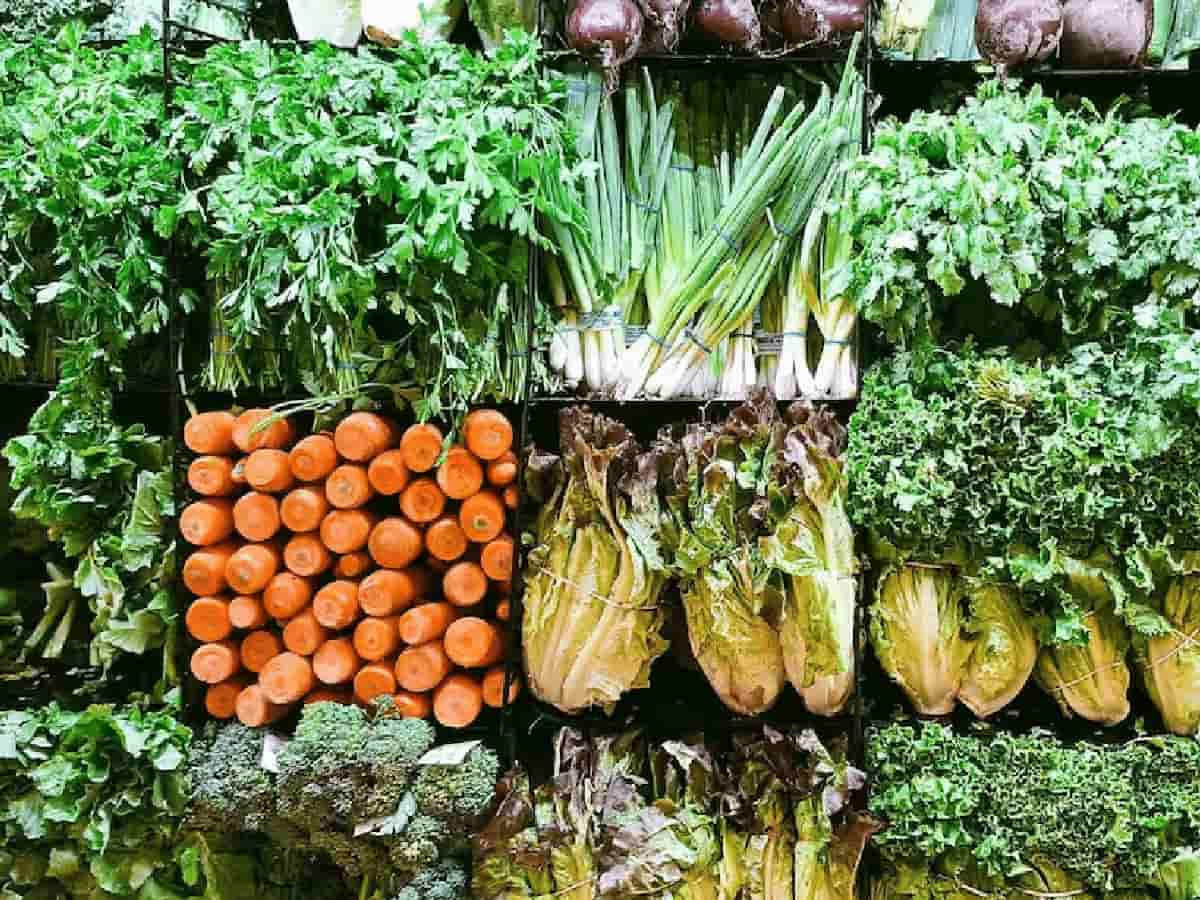
8 Everyday Kitchen Vegetables That Rapidly Surge Hemoglobin and Iron
Chronic fatigue, persistent daylight exhaustion, unexpected dizzy spells, and shortness of breath during routine physical activities are common indicators of declining red blood cell counts and underlying anemia. When cellular hemoglobin levels fall below optimal thresholds, the body's vital organs struggle to receive adequate oxygenation, prompting many individuals to rely heavily on synthetic iron pills and costly dietary supplements. However, clinical nutritionists emphasize that replenishing iron reserves and stimulating erythropoiesis—the production of red blood cells—can be achieved using everyday vegetables found in home kitchens. By integrating seasonal leafy greens, root vegetables, and strategic micronutrient pairings, you can revitalize blood health, enhance nutrient bio-absorption, and maintain robust vitality naturally.
The Power Trio: How Spinach, Beetroot, and Fenugreek Build Red Blood Cells
Green leafy varieties and deep-red roots provide the primary nutritional foundation for elevating hemoglobin levels:
-
Spinach and Fenugreek (Methi): These nutrient-dense greens provide concentrated amounts of non-heme iron and essential folate (vitamin B9), an indispensable micronutrient required for the structural synthesis and maturation of erythrocytes.
-
Amaranth Greens (Chaulai): Packed with vital trace minerals, adding amaranth to daily lentil curries or vegetable stir-fries provides sustained micronutrient density to counter chronic nutritional deficiencies.
-
The Crimson Beetroot Advantage: Naturally loaded with folate, iron, and active betalain antioxidants, beetroot supports blood flow and red cell production; enjoy it raw in shaved salads, slow-simmered in hearty soups, or blended into revitalizing vegetable juices.
-
The Vitamin C Absorption Secret: Non-heme iron from leafy greens requires an acidic digestive environment for optimal bioavailability; squeezing fresh lemon juice over cooked greens or consuming them alongside vitamin C-rich fruits enhances digestive iron absorption.
Micronutrient Boosters: Why Broccoli, Green Peas, and Tomatoes Are Essential
Combining iron-rich produce with natural digestive catalysts ensures your body effectively absorbs dietary minerals:
-
Broccoli's Dual-Action Power: High in both bioavailable minerals and natural ascorbic acid (vitamin C), broccoli facilitates the conversion of plant-based non-heme iron into an easily absorbable form within the small intestine.
-
Green Peas for Daily Vitality: Packed with plant proteins, iron, and key B vitamins, green peas can be lightly steamed, tossed with whole grains, or mixed into dal preparations to elevate nutritional density.
-
Tomatoes as Bioavailability Drivers: Rich in lycopene and vitamin C, adding fresh tomatoes to spinach stir-fries, legume curries, or raw lunch salads helps maximize iron absorption from surrounding meal ingredients.
Hydration and Micronutrient Density: The Roles of Bottle Gourd and Sweet Potato
Rounding out a balanced dietary plate requires easily digestible produce that supports digestive efficiency and steady metabolic energy:
-
Nutrient-Dense Bottle Gourd (Lauki): Offering high water content alongside vital electrolytes and trace minerals, bottle gourd calms digestive inflammation and provides gentle nutrition in light soups or mild curries.
-
Complex Carbs in Sweet Potatoes: Rich in dietary fiber, beta-carotene, and essential minerals, steamed or boiled sweet potatoes help maintain stable glycemic levels while supporting cellular red blood cell production.
-
Legume Synergies: Maximize daily hematological gains by regularly combining these vegetable preparations with iron-dense legumes, such as whole brown lentils, chickpeas (chana), and kidney beans (rajma).




