







5 Amazing Benefits of Fermented Amla & Easy Homemade Recipe
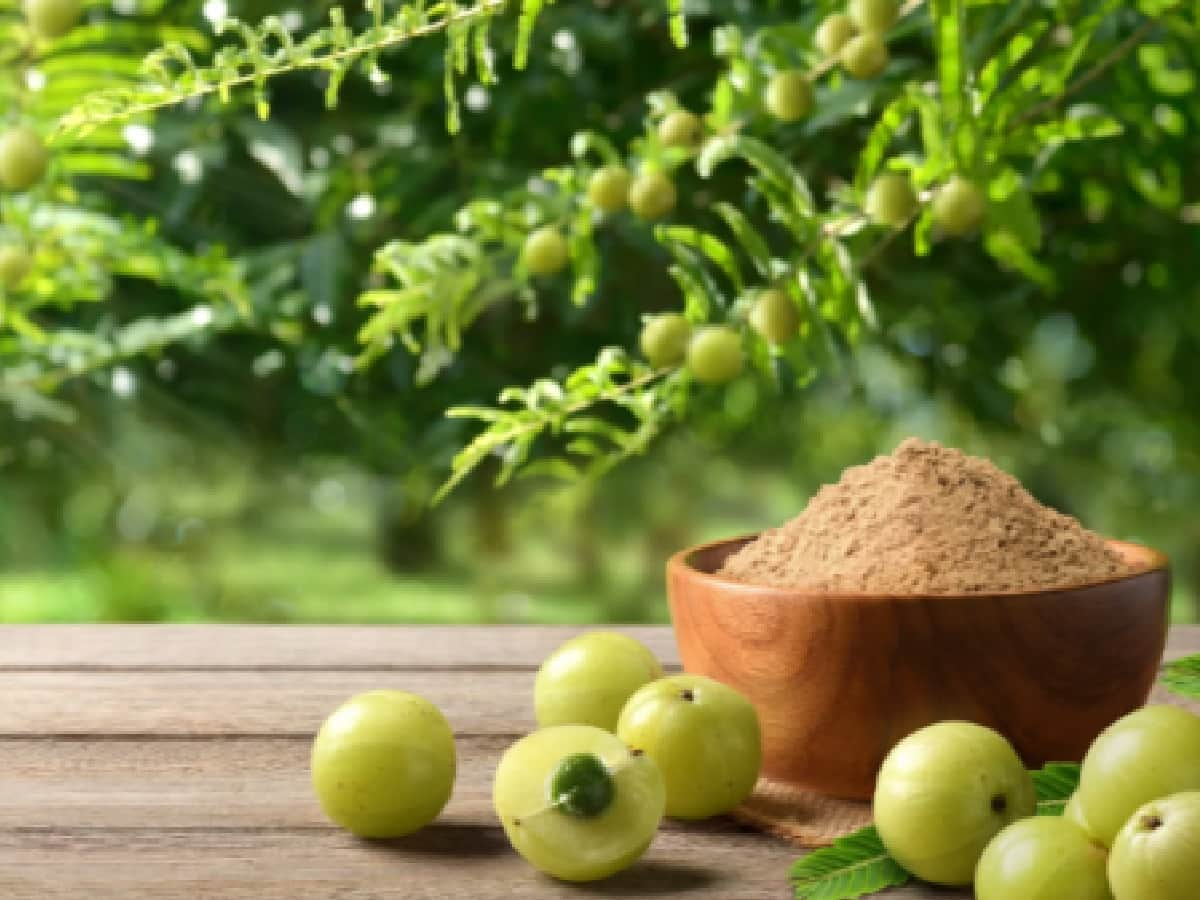
For centuries across Indian kitchens and Ayurvedic wellness traditions, amla (Indian gooseberry) has been celebrated as a seasonal winter superfood—consumed fresh, sun-dried, candied as murabba, or blended into chutney and chyawanprash. Now, as nutritionists and home cooks increasingly embrace traditional probiotic preservation techniques, fermented amla has emerged as one of winter's most exciting health-food trends. Fermentation is a time-honored natural process in which beneficial microorganisms gently transform the flavor, texture, and nutritional bioavailability of whole foods, much like homemade yogurt (dahi), kanji, or traditional Indian pickles. Combining amla's naturally dense concentration of Vitamin C, polyphenols, and dietary fiber with the gentle probiotic potential of lacto-fermentation delivers a tangy, crisp condiment that elevates everyday meals while nourishing the body from November through February. Specifically, incorporating hygienically prepared fermented amla into your winter routine offers five notable health advantages: supporting daily immune function, delivering potent antioxidant protection against oxidative stress, promoting smoother bowel movements through natural fiber, nurturing a balanced gut microbiome, and adding a vibrant, appetite-stimulating seasonal accompaniment to winter lunches and dinners. At the same time, food safety experts emphasize that proper hygiene, clean glass jars, full brine submersion, and timely refrigeration are essential to prevent spoilage. For health-conscious readers, home chefs, nutrition enthusiasts, and families across New Delhi, Lucknow, Kanpur, Varanasi, Prayagraj, Jaipur, Patna, Bhopal, Mumbai, and Bengaluru, learning both the wellness benefits and the exact homemade recipe for fermented amla turns an affordable seasonal fruit into a powerhouse winter staple.
Five Health Benefits of Eating Fermented Amla in Winter
Because fresh Indian gooseberries reach peak harvest between November and February, pairing seasonal amla with controlled fermentation unlocks complementary nutritional benefits across immunity, digestion, and cellular health:
| Health Benefit | Key Nutritional Mechanism | Everyday Winter Wellness Impact |
| 1. Supports Immune Function | Exceptionally rich in natural Vitamin C, which supports normal immune cell activity and defense against seasonal pathogens. | Helps fortify the body's resilience during colder months when respiratory bugs and seasonal fatigue are common. |
| 2. Rich in Protective Antioxidants | Packed with polyphenols, flavonoids, and ascorbic acid that neutralize free radicals and limit oxidative stress. | Protects healthy cells from environmental stressors, urban pollution, and everyday metabolic wear and tear. |
| 3. Aids Digestive Regularity | Supplies soluble and insoluble dietary fiber that adds bulk and supports smooth intestinal motility. | Helps ease sluggish winter digestion, bloating, and occasional constipation when eaten alongside balanced meals. |
| 4. Nurtures Gut Microbiome Health | Controlled fermentation encourages the growth of beneficial lactic acid bacteria when prepared cleanly. | Complements traditional Indian probiotic foods like dahi and kanji to support healthy gut flora balance. |
| 5. Versatile Winter Diet Upgrade | Delivers a bright, tangy, mildly spiced flavor profile without heavy refined sugar or excessive cooking oil. | Enhances simple dal-chawal, roti-sabzi, or khichdi while keeping seasonal nutrition effortless and enjoyable. |
Easy Homemade Fermented Amla Recipe: Step-by-Step Method
Preparing fermented amla at home requires only a handful of pantry spices and strict kitchen hygiene. Follow this straightforward method using 500 grams (half a kilogram) of fresh, firm gooseberries:
-
Wash and Prick the Amla: Rinse 500 grams of fresh amla thoroughly under clean running water, pat them completely dry with a clean kitchen towel, and gently prick each gooseberry all over with a clean fork so the spiced brine penetrates evenly.
-
Layer Aromatics in a Sterilized Glass Jar: Transfer the pricked gooseberries into a clean, dry, sterilized glass jar (avoid reactive metal containers). Add slit green chilies, thinly sliced raw turmeric (kacchi haldi), panch phoron (the classic five-spice blend of fenugreek, nigella, cumin, mustard, and fennel seeds), salt to taste, and 2 tablespoons of vinegar.
-
Prepare and Cool the Salt Brine: Boil fresh drinking water with a pinch of salt, then allow the salted water to cool down completely to room temperature—pouring hot water directly over the jar can destroy beneficial microbes and soften the fruit prematurely.
-
Submerge, Ferment, and Refrigerate: Pour the completely cooled brine into the glass jar until every gooseberry is fully submerged beneath the liquid. Stir gently with a clean dry spoon, secure the lid, and leave the jar at room temperature for 24 hours to kickstart initial fermentation, then transfer it to the refrigerator for crisp, safe storage.
Essential Hygiene and Storage Precautions for Fermented Foods
While home fermentation is simple, cleanliness determines both flavor and safety. Always use thoroughly washed hands, dry utensils, and sanitized glass jars, and keep the gooseberries submerged below the brine line. Never consume any fermented batch if it develops fuzzy mold, sliminess, foul odor, or unusual discoloration. Enjoyed in moderation—one or two pieces alongside lunch—fermented amla offers a delicious bridge between traditional Indian kitchen wisdom and modern gut-friendly nutrition.




