







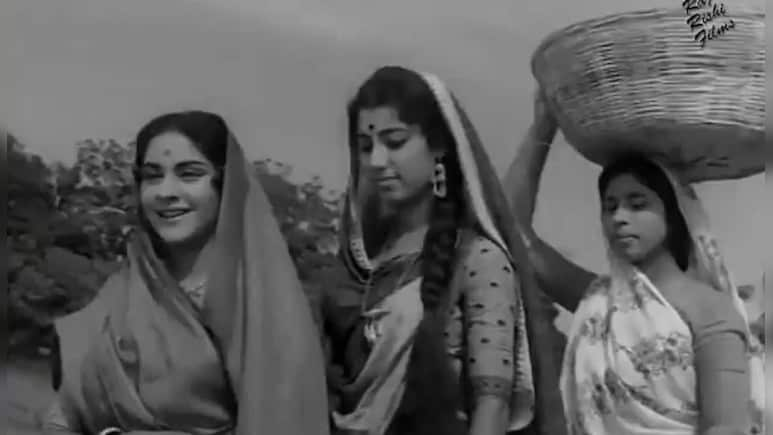
The History of Chhath’s First Iconic Song Sung by Usha Mangeshkar
The vibrant rhythms of folk celebrations and devotional fervor during the four-day Chhath Mahaparv evoke a deep sense of cultural heritage across northern India, particularly in Bihar, Jharkhand, and eastern Uttar Pradesh. While modern digital playlists overflow with contemporary remixes and high-definition devotional tracks, the true heartbeat of the festival remains rooted in timeless classics. Among these musical milestones, the very first recorded Chhath song holds a legendary status. Released over six decades ago in 1961 and voiced by the legendary playback singer Usha Mangeshkar, this pioneering composition continues to echo from every neighborhood loudspeaker, ghat, and household during the worship of the Sun God.
The 1961 Milestone: How the First Chhath Song Was Born
Before the era of mass media and satellite television, regional folk songs were transmitted primarily through oral traditions, local gatherings, and occasional community radio broadcasts. However, the cultural landscape shifted permanently in 1961 when the Gramophone Company of India (HMV) recorded and released what is widely recognized as the first-ever commercial Chhath geet. Capturing the raw piety, spiritual devotion, and serene atmosphere of the riverbank rituals, the track broke new ground by bringing sacred folk poetry out of rural courtyards and onto vinyl records, allowing families across the country to experience the festival's unique spiritual resonance.
Usha Mangeshkar’s Ethereal Voice and Musical Legacy
The monumental success of India’s earliest recorded Chhath anthem was largely propelled by the mesmerizing vocal delivery of Usha Mangeshkar. Gifted with a distinctive, melodious voice that carried both classical precision and heartfelt folk warmth, she breathed life into lyrics that described the rigorous vrath (fasting), the preparation of thekua prasad, and the poignant offering of arghya to the setting and rising sun. Her ability to channel the intense spiritual devotion of millions of fasting women transformed a simple regional tune into an immortal cultural masterpiece that set the gold standard for all subsequent devotional music.
Why 65 Years Later, This Classic Remains Unmatched
Even after 65 years of rapid modernization, technological evolution, and shifting musical tastes, the 1961 Chhath anthem retains an unmatched emotional pull. Modern listeners and younger generations still seek out the vintage recording because it captures the authentic essence of the festival without commercial gimmickry. The gentle acoustic arrangements, traditional folk instrumentation, and Usha Mangeshkar's evocative vocals evoke a powerful sense of nostalgia, reminding expatriate communities scattered across the globe of their ancestral roots along the banks of the Ganga and Kosi rivers.
Preserving Bhojpuri and Maithili Folk Heritage in the Digital Age
The enduring popularity of this 65-year-old classic underscores the vital importance of preserving regional folk heritage in contemporary digital spaces. As digital archives, YouTube channels, and streaming platforms continue to digitize vintage audio tapes and vinyl records, historical treasures like Usha Mangeshkar’s pioneering Chhath recording find new life among Gen Z listeners. By bridging the gap between historical tradition and modern accessibility, these timeless melodies ensure that the sacred traditions of Chhath Mahaparv remain vibrant, revered, and culturally resonant for generations to come.




