Sholay's 'Mausi' Leela Mishra Rejected Heroine Roles: The Untold Story Behind Her Golden Career
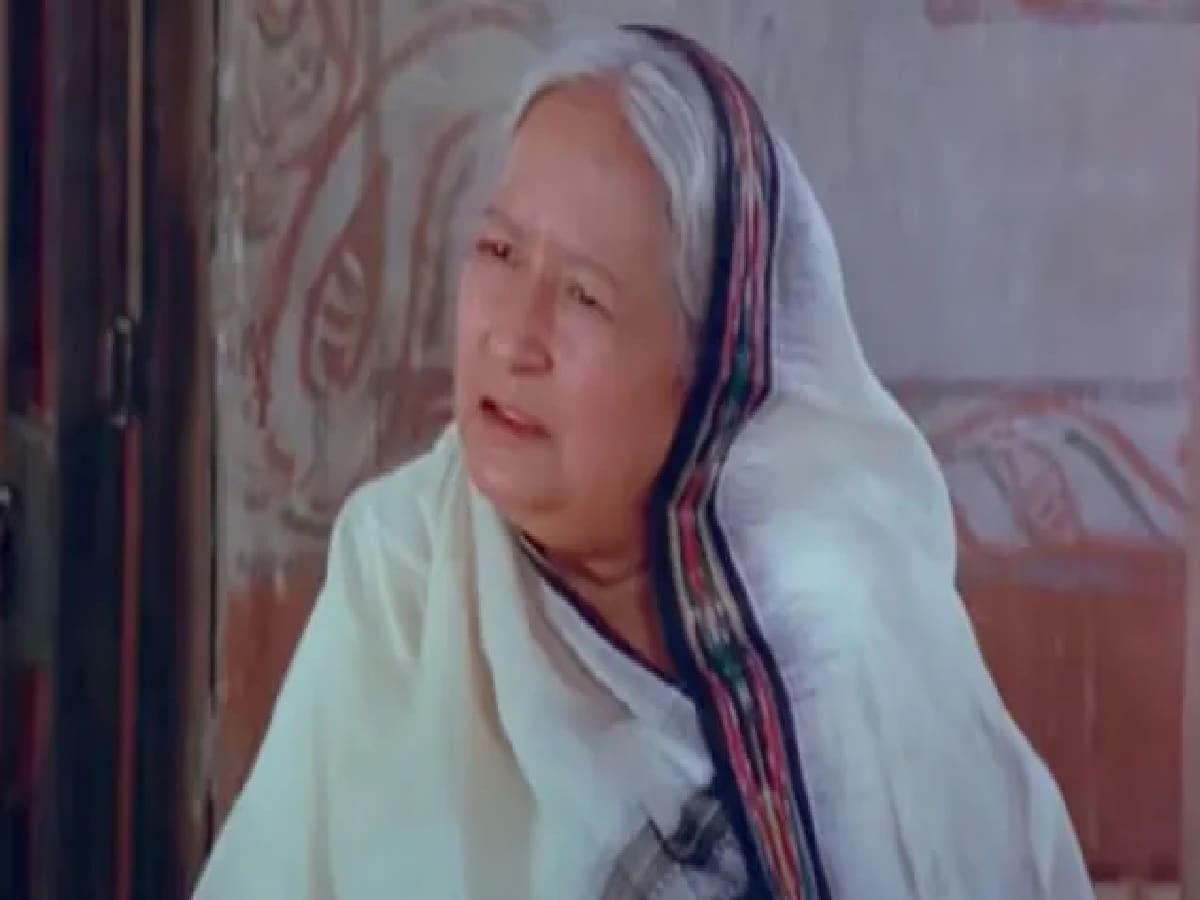
"Juaari hai, sharabi hai, par bura aadmi nahi hai..." Even decades after Ramesh Sippy’s 1975 magnum opus Sholay hit the silver screen, movie lovers instantly recognize the iconic comic banter between Jai, Veeru, and Basanti’s maternal aunt. Portrayed with effortless comedic timing by veteran actress Leela Mishra, the character of "Mausi" became an indelible part of Indian pop culture. From the hilarious marriage proposal scene where Amitabh Bachchan enumerates Dharmendra's flaws to the dramatic water-tank sequence, Mishra’s natural wit and expressive dialogue delivery cemented her place as a beloved household name across the country.
Rejecting Heroine Stardom to Uphold Personal Boundaries
While millions revere her maternal and matriarchal screen presence, few realize that Leela Mishra was originally scouted by filmmakers to headline Hindi cinema as a glamorous leading lady. However, the prospect of mainstream romantic stardom ran directly counter to her deeply held personal values. Mishra walked away from her debut project after discovering that a key scene required the leading man to place his hand on her shoulder, a physical interaction she firmly declined. Soon after, while working on the film Honhaar, she was asked to perform an intimate hugging sequence with the hero; she refused once again, choosing artistic integrity over conventional heroine status.
Pivoting to Motherly Roles and Character Mastery
Recognizing her talent rather than dismissing her from the industry, filmmakers quickly accommodated her boundaries by recasting her into maternal and character-driven parts. In Honhaar, she was reassigned to play the hero’s mother, an unexpected pivot that launched one of the most prolific character-acting careers in Bollywood history. Legendary film personality Tabassum once recounted on her archival show how Mishra candidly explained her conscious choice, noting that her traditional upbringing made it impossible for her to feel comfortable expressing scripted romantic affection or confessing love to strangers on camera. Embracing character roles allowed her to pursue acting on her own terms without violating her personal convictions.
Early Marriage and Entry into Dadasaheb Phalke's Production Orbit
Born into an affluent household, Mishra's entry into the entertainment world followed a deeply unconventional trajectory. In accordance with prevalent early-twentieth-century customs, she was married to actor Ram Prasad Mishra at the age of 12 and was already a mother of two children by the time she turned 17. Her foray into cinema occurred long after establishing her family life, encouraged by her maternal uncle Shinde, who held a professional association with the film company of the father of Indian cinema, Dadasaheb Phalke. Transforming what was then considered an unorthodox second chapter into a historic artistic journey, she brought dignity and authentic rural charm to every matriarchal role she portrayed.
A Golden Cinematic Legacy Spanning Decades
Over an illustrious career that spanned more than five decades, Leela Mishra enriched scores of landmark Hindi classics, including Awaara, Daag, Pyaasa, Do Raaste, Mastana, Lal Patthar, Purab Aur Paschim, and Geet Gaata Chal. Her authentic portrayal of rural elders, aunts, and grandmothers brought warmth and rooted cultural authenticity to Indian cinema's golden era. Mishra remained dedicated to the cinematic craft until her death from a heart attack on January 17, 1988, at the age of 80, leaving behind a cinematic legacy defined by principle, artistic dignity, and timeless humor.