Commemorating August Kranti: How Cinema Immortalized the Quit India Movement
August 8, 1942, remains one of the most defining turning points in Indian history, marking the day the All India Congress Committee passed the historic Quit India resolution at Gowalia Tank Maidan in Bombay (now Mumbai), famously known as August Kranti Maidan. It was during this pivotal gathering that Mahatma Gandhi issued his resounding call of "Do or Die" (Karo Ya Maro). By the morning of August 9, top leaders including Gandhi, Jawaharlal Nehru, Sardar Vallabhbhai Patel, and Maulana Abul Kalam Azad were imprisoned, and while the movement was met with fierce British suppression, it permanently fractured the foundations of colonial rule. Over the decades, Indian filmmakers and television directors have drawn deeply from this historic chapter, bringing the intense struggles, secret operations, and regional rebellions of 1942 to life on screen.
Uncovering Secret Operations: Ae Watan Mere Watan and Usha Mehta’s Legacy
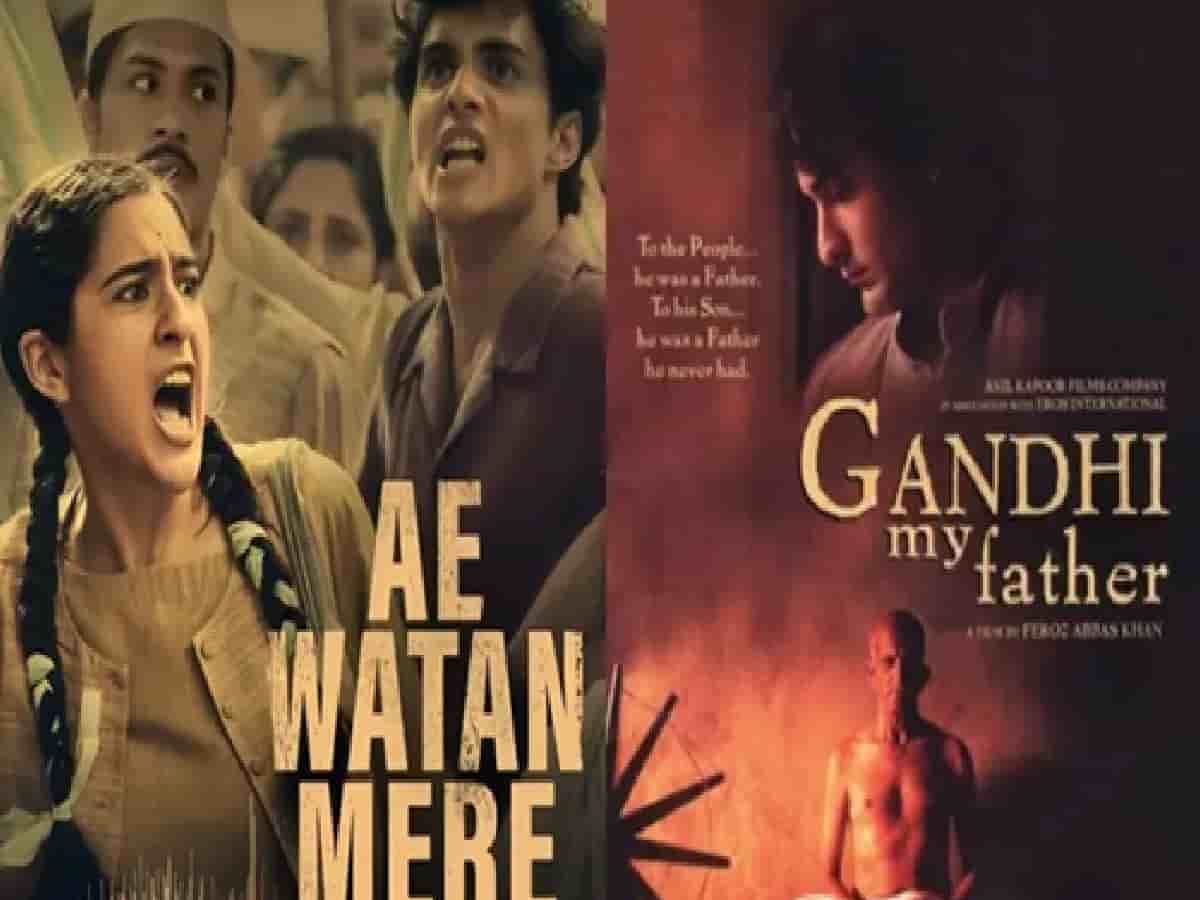
The spirit of underground resistance during the Quit India Movement found a powerful cinematic canvas in the film Ae Watan Mere Watan, which chronicles the incredible journey of freedom fighter Usha Mehta and her clandestine operation of Congress Radio. Director and writer Kannan Iyer noted that while developing the project, it was striking how little mainstream cinema had previously explored this massive historical milestone. To recreate the tense atmosphere of 1942 Bombay, the production utilized authentic colonial-era locations in South Mumbai, blending period-accurate elements like specially constructed trams with modern visual effects to authentically depict the historic lathi charges, street protests, and sweeping arrests.
Personal Turmoil and National Dedication: Depicting the 'Do or Die' Call on Screen
The cinematic resonance of Mahatma Gandhi’s historic slogan extends across multiple landmark biographical dramas. In the critically acclaimed film Gandhi, My Father, the narrative explores the deep personal struggles between Gandhi and his estranged son Harilal, opening with a powerful scene featuring the declaration of the "Do or Die" mantra. Actor Darshan Jariwala, who portrayed Mahatma Gandhi, emphasized the profound dedication required to capture that historical moment—illustrating how, despite profound personal grief and family alienation, Gandhi's ultimate focus remained entirely anchored to the liberation of his nation, ultimately leading to his imprisonment alongside Kasturba Gandhi at the Aga Khan Palace in Pune.
Regional Rebellions and Parallel Governments: Ballia and Satara in Cinema and TV
Beyond the epic center of Bombay, the Quit India Movement sparked fiery uprisings across the Indian subcontinent that have been immortalized in classic literature and television. In Shyam Benegal’s celebrated TV series Bharat Ek Khoj—adapted from Jawaharlal Nehru’s The Discovery of India—the historic uprising in Uttar Pradesh's Ballia district is vividly explored. Co-writer Atul Tiwari noted that because Ballia was geographically isolated by torrential floods and rivers, freedom fighter Chittu Pandey and local agitators successfully seized the administration, declared independence on August 20, 1942, and established native panchayats before British forces reclaimed the region days later. Similarly, Maharashtra's Satara district witnessed the formation of the underground parallel government known as Prati Sarkar, led by Krantisinh Nana Patil and revolutionary leaders like Captain Bhau, showcasing that countless untold chapters of the 1942 freedom struggle still await cinematic exploration.