






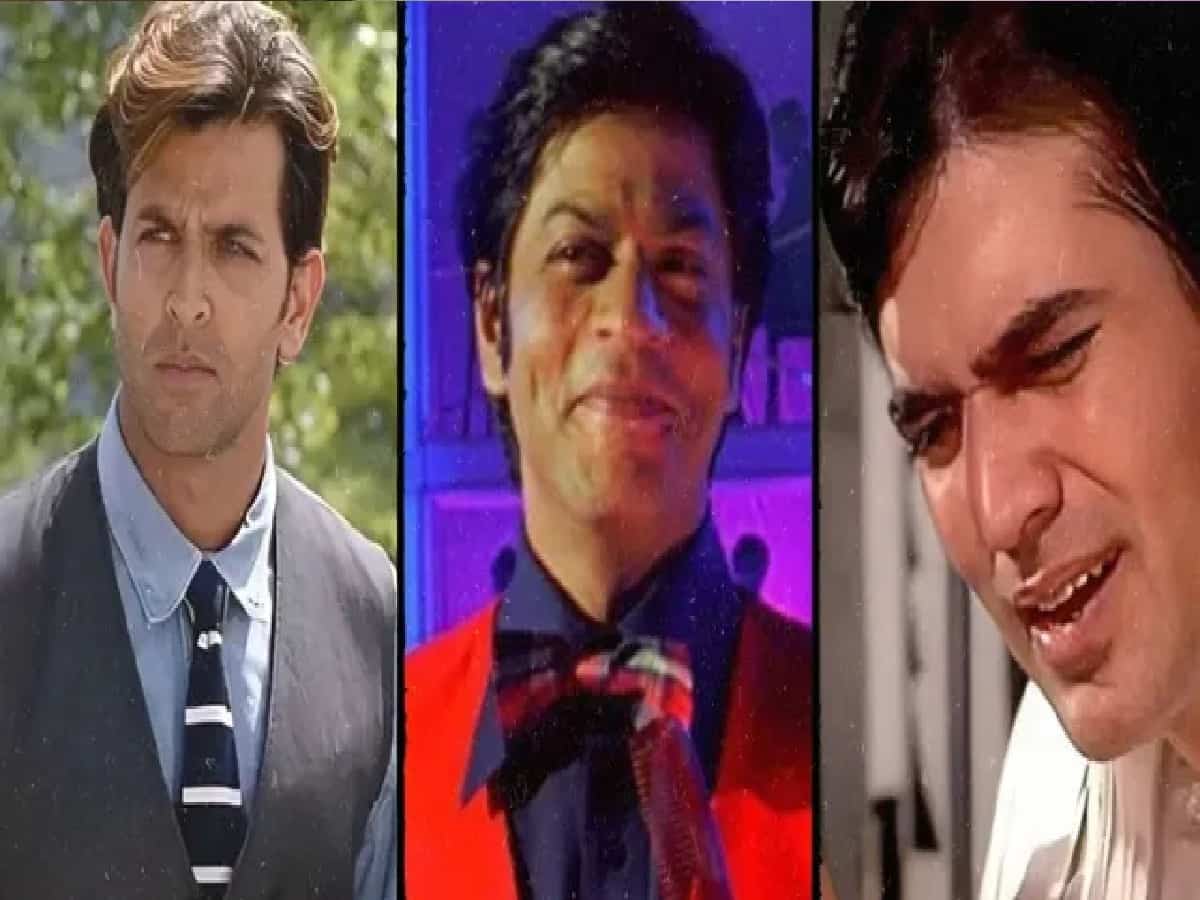
10 Iconic Bollywood Dialogues That Left the Theaters and Became Everyday Life Mantras
Hindi cinema has maintained an unbreakable emotional bond with movie lovers across generations, shaping language, fashion, and social mannerisms across the country. While countless blockbusters from the golden eras of the 1970s through the 2000s have ended their theatrical runs, the screenwriters' most memorable words remain as vibrant as opening day. Rather than fading into nostalgic film reels, these lines have organically integrated into the daily lexicon of millions, invoked seamlessly during dinner table arguments, friendly banter, motivational slumps, and romantic confessions.
The Ultimate Romance and Self-Love Anthems: DDLJ and Jab We Met
Romantic comedies and coming-of-age dramas have contributed some of the most widely repeated phrases in contemporary slang. When minor mishaps or unexpected blunders occur in life, Shah Rukh Khan’s smooth reassurance from Dilwale Dulhania Le Jayenge—"Bade bade deshon mein aisi chhoti chhoti baatein hoti rehti hain, Senorita"—serves as the universal comfort line. On the other hand, Kareena Kapoor's vivacious character Geet from Imtiaz Ali’s Jab We Met transformed modern self-worth culture with her iconic assertion, "Main apni favorite hoon," a self-love affirmation still recited in front of mirrors to banish demotivation.
Everyday Humor and High Spirits: From ZNMD to Uri
Casual street banter often relies on deadpan cinematic delivery to defuse tensions or amplify collective energy. When good-natured pranks push boundaries among friends, Hrithik Roshan's sharply articulated phrase from Zindagi Na Milegi Dobara—"It's not funny"—is instantly mobilized as the humorous reprimand of choice. For moments demanding raw adrenaline, workplace motivation, or academic focus, Vicky Kaushal’s thunderous war cry from the 2019 blockbuster Uri: The Surgical Strike—"How's the Josh? High, Sir!"—remains the country's go-to pep rally chant across classrooms, corporate halls, and sports fields.
Calming Anxieties and Redefining Romance: 3 Idiots and Kuch Kuch Hota Hai
When life's unexpected hurdles trigger panic or uncertainty, Aamir Khan, R. Madhavan, and Sharman Joshi’s timeless philosophy from Rajkumar Hirani's 3 Idiots continues to act as emotional first aid. Murmuring the simple phrase "All is well" while patting the heart has helped millions soothe nervous tension before exams, interviews, and major life crises. In the realm of dating and relationship advice, Shah Rukh Khan’s foundational doctrine from Karan Johar's 1998 directorial debut Kuch Kuch Hota Hai—"Pyaar dosti hai" (Love is friendship)—remains an enduring principle guiding young hearts navigating the line between friendship and lifelong romance.
Legendary Vintage Confrontations: Mr. India, Amar Prem, Deewar, and Om Shanti Om
Vintage classics from the 1970s and 1980s continue to deliver unmatched dramatic punchlines. Amrish Puri's menacing yet darkly comedic proclamation as the supervillain in Shekhar Kapur's Mr. India—"Mogambo khush hua"—remains the favorite exclamation for expressing mischievous satisfaction. Whenever tears flow during emotional farewells, Rajesh Khanna's melancholic charm from the 1972 hit Amar Prem lives on through "Pushpa, I hate tears." For sibling rivalry and moral showdowns, Salim-Javed’s immortal screenplay for Deewar provided Amitabh Bachchan and Shashi Kapoor with the defining retort of Indian cinema: "Mere paas maa hai." Wrapping up the list, Shah Rukh Khan’s dramatic revival in Farah Khan’s 2007 blockbuster Om Shanti Om gave resilient dreamers their ultimate perseverance slogan: "Picture abhi baaki hai mere dost."