







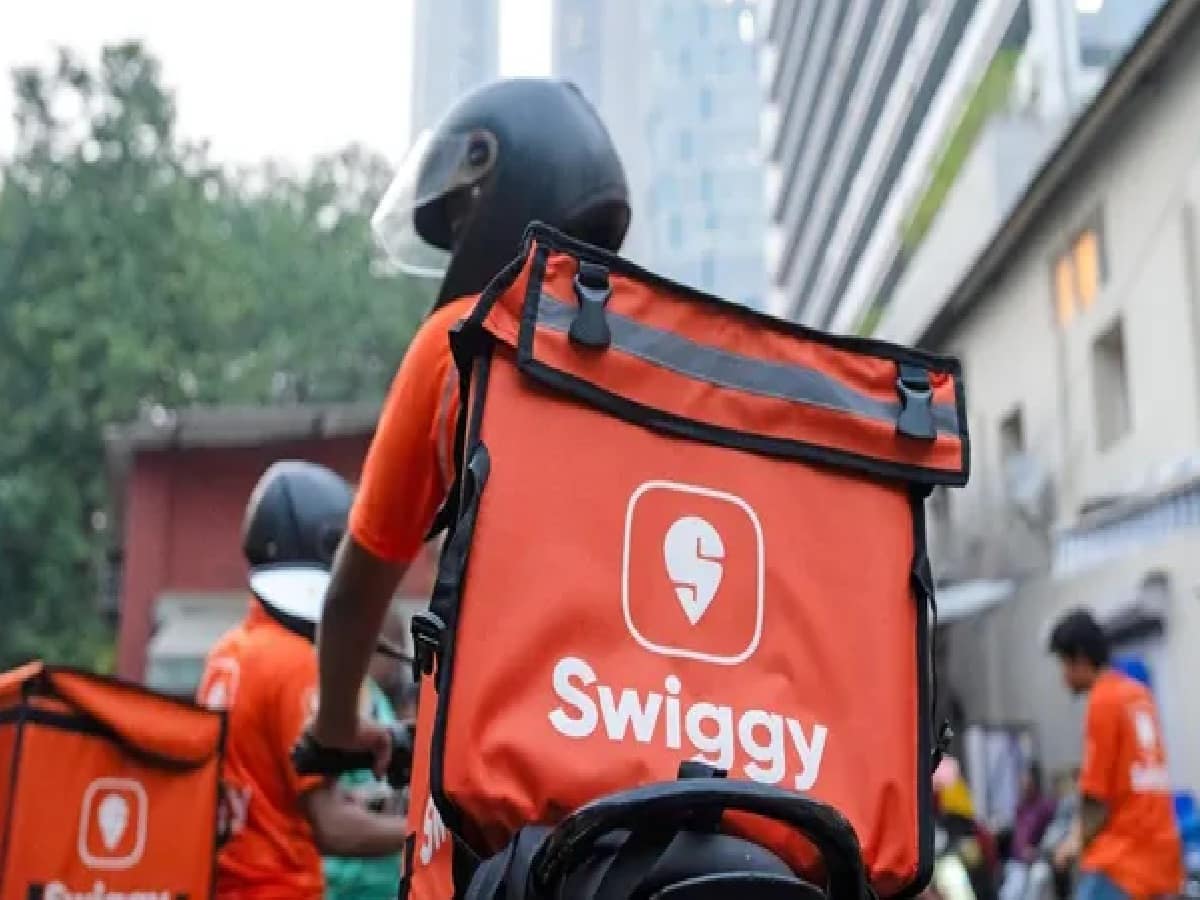
Swiggy Instamart Layoffs: 340 Jobs Cut Amid AI Push & Restructuring
Intensifying competition and mounting unit-economics pressure in India's fast-paced quick-commerce arena have prompted Swiggy to streamline its rapid-delivery arm as it leans more heavily on artificial intelligence and operational automation. Highlighted across technology, startup, and corporate desks on Friday, November 27, 2026, the Bengaluru-headquartered food-delivery and quick-commerce major is laying off 340 employees from Instamart—representing roughly 4% of Swiggy's overall headcount of 8,053 employees recorded as of March 2026. According to people familiar with the development, the workforce reduction primarily impacts corporate and support functions within Instamart rather than front-line delivery partners, marking the first major organizational overhaul under Instamart CEO Nandita Sinha (former Myntra chief executive who took charge on August 3, 2026 following Amitesh Jha's exit) as the unit removes role duplication, speeds up decision-making, integrates AI-driven workflows, and begins transitioning toward an inventory-led operating model. Swiggy has rolled out severance packages, outplacement assistance, and internal relocation support for affected staff members, though the company had not issued an official public statement in response to media queries at the time of reporting. The restructuring comes at a pivotal moment in India's 10-minute delivery battle against Eternal-owned Blinkit, Zepto, Flipkart Minutes, and Amazon Now. Even though Swiggy remains strongly capitalized with approximately ₹13,500 crore in cash and cash equivalents, its Q2 FY27 financial results underscored the widening gap between profitable food delivery—which delivered a record ₹341 crore adjusted EBITDA—and Instamart, whose aggressive dark-store expansion pushed segment adjusted EBITDA losses to ₹895 crore and lifted consolidated net loss sequentially from ₹791 crore in Q1 FY27 to ₹922 crore in Q2 FY27 (still down 15.6% year-on-year from ₹1,092 crore in Q2 FY26) across Bengaluru, New Delhi, Mumbai, Hyderabad, Chennai, Lucknow, and Gurugram.
Swiggy Instamart Layoffs: Affected Teams, Severance & Q2 FY27 Financials
To bring together which teams inside Swiggy Instamart are affected by the 340 job cuts and what support packages are being provided, how Swiggy's Q2 FY27 financial results and ₹13,500 crore cash buffer frame this restructuring, and why AI automation and inventory ownership are reshaping quick commerce in India, the tables below organize verified corporate and financial details:
Instamart Workforce Restructuring & Employee Support Snapshot (Nov 27, 2026)
| Restructuring Dimension | Verified Details | Operational & Strategic Context |
| Scale of Layoffs & Share of Workforce | 340 employees laid off from Instamart, accounting for roughly 4% of Swiggy's 8,053 total employees (as of March 2026). | Aims to trim fixed overhead, eliminate role duplication, and accelerate execution speed. |
| Impacted Functions & Leadership | Concentrated largely in corporate and support teams within Instamart; first major restructuring under Instamart CEO Nandita Sinha (appointed August 3, 2026). | Coincides with greater AI adoption across back-end planning and a strategic shift toward an inventory-owned quick-commerce model. |
| Employee Transition Support | Affected staff are receiving severance packages, outplacement support, and relocation facilities. | Designed to cushion displaced corporate employees while reallocating eligible talent where openings exist. |
| Competitive Landscape | Rivalry has intensified sharply across metros and Tier-1 cities against Blinkit (Eternal), Zepto, Flipkart Minutes, and Amazon Now. | Rivals continue heavy capital deployment in dark stores, assortment, and customer acquisition, pressuring margins. |
Swiggy Financial Performance & Quick-Commerce Unit Economics (Q2 FY27)
| Financial Metric | Q2 FY27 Figure | Prior Comparison & Trend |
| Consolidated Revenue from Operations | ₹7,571 crore | Up 36.1% year-on-year from ₹5,561 crore in Q2 FY26. |
| Consolidated Net Loss | ₹922 crore | Narrowed 15.6% YoY from ₹1,092 crore in Q2 FY26, but widened sequentially from ₹791 crore in Q1 FY27. |
| Segment Divergence: Food Delivery vs. Instamart | Food Delivery adjusted EBITDA: ₹341 crore (all-time high) | Instamart adjusted EBITDA loss: ₹895 crore | Instamart's dark-store network expansion and competitive discounting weighed heavily on consolidated profitability (instamart loss widened from ₹849 crore YoY). |
| Cash & Cash Equivalents Balance | Approximately ₹13,500 crore | Gives Swiggy substantial balance-sheet runway to fund store maturity and inventory transition without liquidity stress. |
Why AI Adoption and Inventory Ownership Are Driving Quick-Commerce Restructurings
Startup and retail analysts across Bengaluru, New Delhi, Mumbai, Hyderabad, and Lucknow note that India's quick-commerce sector has moved from land-grab expansion to strict discipline on contribution margins and fixed corporate costs. Deploying artificial intelligence in demand forecasting, catalog curation, assortment planning, and customer-support workflows allows platforms like Instamart to manage larger dark-store networks without expanding corporate headcount proportionally—while transitioning toward an inventory-led model is projected by management to deliver roughly 80 basis points of net margin benefit over coming quarters.
What Employees, Customers, and Market Watchers Should Know Next
For consumers ordering groceries and daily essentials via Swiggy Instamart across Bengaluru, New Delhi, Mumbai, Hyderabad, Chennai, Lucknow, and Gurugram, day-to-day dark-store deliveries remain unaffected because the layoffs focus on corporate and support roles. Meanwhile, public-market investors will closely track whether leaner corporate costs, AI-driven productivity, and inventory ownership begin narrowing Instamart's ₹895 crore quarterly adjusted EBITDA loss in upcoming quarters.




