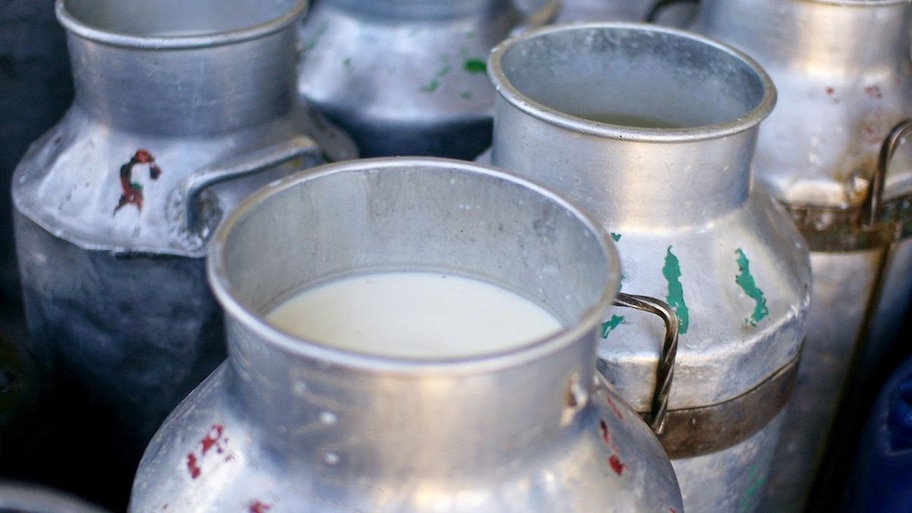
Milk Prices to Spike by Rs 10 to Rs 12 Overnight: Government Approval is the Only Step Away
Milk is an absolute staple in millions of Indian households, serving as an indispensable daily necessity for everything from morning tea to infant nutrition and meal preparation. However, citizens across the country are now staring down the barrel of a massive inflationary shock, as milk prices are poised to jump by a staggering Rs 10 to Rs 12 per liter in a single stroke. Dairy federations and cooperative unions have submitted formal proposals citing surging operational costs, and according to insider reports, the revised pricing structure is fully prepared. The implementation of this steep hike is now merely awaiting final administrative sign-off and clearance from government authorities. When this official notification drops, it will instantly trigger a ripple effect across urban and rural markets, putting additional pressure on already stretched middle-class monthly budgets and altering grocery spending patterns nationwide.
Why Dairy Cooperatives Are Pushing for a Steep Price Revision
The primary driving force behind this impending price surge lies in the escalating input costs faced dairy farmers and milk processing plants over recent months. Expenses related to cattle feed, green fodder, veterinary care, and transportation logistics have skyrocketed significantly due to persistent inflationary pressures and shifting seasonal weather patterns. Furthermore, cooperative societies argue that unless the procurement prices paid directly to dairy farmers are substantially increased, milk production sustainability will face a severe crisis as smaller farmers abandon cattle rearing out of unprofitability. To maintain a steady, uninterrupted supply chain of quality milk across metropolitan centers and local towns, dairy operators maintain that a price correction of Rs 10 to Rs 12 per liter has become an absolute economic necessity rather than a choice.
Cascading Effect on Consumer Goods and Daily Expenses
A sharp upward revision in milk prices does not remain restricted to liquid milk cartons alone; it triggers an immediate domino effect across a wide spectrum of dairy and consumer food products. Items heavily dependent on milk as a primary ingredient—including paneer, curd, butter, ghee, cheese, sweets, and packaged bakery goods—will inevitably witness proportionate price hikes in local grocery stores and supermarkets. For households with fixed incomes, juggling these cumulative price escalations alongside rising utility bills and fuel costs becomes a daunting financial challenge. Homemakers and family budget planners are already exploring ways to optimize their monthly grocery baskets, cutting down on discretionary food purchases to accommodate the inflated cost of essential dairy nutrition without compromising their children's dietary requirements.
Navigating the Inflationary Wave and Government Intervention
As consumers brace for the impending financial impact, public scrutiny and expectations regarding potential government intervention remain exceptionally high. Citizens and consumer rights forums are urging policymakers to explore subsidies or tax rationalizations on cattle feed and transport logistics to soften the blow for both dairy farmers and everyday buyers. While state and central authorities evaluate balancing acts to prevent runaway food inflation, experts advise consumers to adopt disciplined budgeting strategies to cushion against sudden price shocks. Ultimately, as the dairy sector transitions through this costly phase, staying informed about market adjustments will help households manage their daily finances more resiliently in an evolving economic landscape.